
Introduction
An ice cube maker that’s stopped working is a common problem for many LG refrigerator owners. Imagine needing ice for a refreshing drink on a hot day, only to find your ice bin empty! This issue can be caused by several factors, ranging from simple fixes to more complex problems. Addressing it quickly can save you the inconvenience of buying bags of ice and potentially prevent further damage to your refrigerator. Explore more in our Refrigerator Problems 4 collection.
💡 Technical Key Takeaways:
- Core Focus: Diagnostic schematic and terminal connection layout for Lg Refrigerator Ice Cube Maker Not Working.
- Target Scope: Field technicians, automotive DIYers, and residential/commercial electricians.
- Safety Rule: Always disconnect the primary power source/battery terminal and verify zero voltage with a multimeter before touching wires.
Common Causes of lg refrigerator ice cube maker not working
Here are some of the most frequent reasons why your LG refrigerator’s ice cube maker might not be working:. For more related activities, check out our Lg Refrigerator Water And Ice Dispenser Not Working.
- Water Supply Problems: The ice maker needs a steady supply of water to function. A kinked or frozen water line can prevent this.
- Frozen Water Line: The water line running to the ice maker can freeze, blocking the water flow.
- Water Filter Issues: A clogged water filter restricts water flow, impacting ice production.
- Ice Maker Jam: Ice cubes can sometimes get stuck in the ice maker, preventing it from cycling.
- Ice Level Control Arm Malfunction: If the arm that detects the ice level is stuck in the “up” position, the ice maker won’t produce more ice.
- Faulty Water Inlet Valve: This valve controls the flow of water to the ice maker. If it’s faulty, it won’t open, and no water will reach the ice maker.
- Low Freezer Temperature: If the freezer temperature is too warm, the ice maker won’t be able to freeze the water.
- Ice Maker Module Failure: This is the electronic component that controls the ice maker’s operation.
- Defective Ice Maker Sensor: A faulty sensor can misread the ice level and prevent ice production.
Symptoms Checklist
Here are some signs that your LG refrigerator ice cube maker is having problems:
- No ice cubes are being produced.
- Ice cubes are smaller than usual.
- Ice cubes are hollow or misshapen.
- The ice maker is making strange noises.
- Water is leaking from the ice maker area.
- The ice maker arm is stuck in the “up” position.
How to Fix lg refrigerator ice cube maker not working Step-by-Step Guide
Follow these steps to troubleshoot your LG refrigerator ice cube maker:
- Check the Freezer Temperature: Make sure the freezer is set to the recommended temperature (usually around 0F or -18C).
- Inspect the Water Line: Look for any kinks or bends in the water line running to the refrigerator. Straighten them out if necessary.
- Check the Water Supply Valve: Ensure the water supply valve behind the refrigerator is fully open.
- Replace the Water Filter: If you haven’t replaced the water filter recently (usually every 6 months), do so now. A clogged filter can significantly reduce water flow.
- Thaw a Frozen Water Line: If you suspect a frozen water line, unplug the refrigerator and let it thaw for a few hours. You can also try using a hairdryer (on a low setting) to gently warm the water line.
- Manually Cycle the Ice Maker: Some LG refrigerators have a test button or a way to manually cycle the ice maker. Consult your owner’s manual for instructions. This can help dislodge any ice jams.
- Check the Ice Level Control Arm: Make sure the arm that detects the ice level is moving freely and not stuck in the “up” position. Gently push it down to see if the ice maker starts producing ice.
- Listen for the Water Inlet Valve: After manually cycling the ice maker, listen for a humming sound coming from the water inlet valve. This indicates that the valve is opening and allowing water to flow.
- Clean the Ice Maker: Remove any ice buildup in the ice maker and ice bin. Use a clean, damp cloth to wipe down the interior of the ice maker.
- Reset the Refrigerator: Unplug the refrigerator for 5-10 minutes and then plug it back in. This can sometimes reset the ice maker and resolve minor issues.
- Check for Error Codes: Some LG refrigerators display error codes that can help diagnose the problem. Consult your owner’s manual for a list of error codes and their meanings.
- Inspect the Ice Maker Mold: Examine the ice maker mold for any signs of damage or cracks.
Fix the Issue Without Buying Parts
Many ice maker problems can be resolved without replacing any parts:
- Resetting: A simple unplug and plug back in can often reset the ice maker’s internal programming.
- Cleaning: Regular cleaning of the ice maker and surrounding areas can prevent ice jams and buildup.
- Inspection: Regularly check the water lines and water filter for any signs of damage or clogs.
- Maintenance: Replace the water filter every 6 months to ensure optimal water flow.
When Replacement Might Be Necessary
If you’ve tried all the troubleshooting steps and your ice maker is still not working, a replacement part might be necessary. Common parts that fail include the ice maker module, water inlet valve, and ice maker sensor. Replacement costs can range from $50 to $200 USD, depending on the part and model of your refrigerator. Discover more free resources across our collection library.
Safety Warning
- Always unplug the refrigerator before attempting any repairs.
- Avoid working on electrical components while the refrigerator is plugged in.
- Be careful when using a hairdryer to thaw a frozen water line. Keep the hairdryer moving and avoid overheating any one area.
- Clean up any spills immediately to prevent slips and falls.
Tools You May Need
- Screwdriver (Phillips and flathead)
- Pliers
- Adjustable wrench
- Clean cloth
- Hairdryer (optional)
FAQ
Here are some frequently asked questions about LG refrigerator ice cube makers:
- Q: Why is my ice maker making small ice cubes? A: This is usually caused by low water pressure or a clogged water filter. Try replacing the water filter and checking the water supply valve.
- Q: How often should I replace the water filter? A: Most manufacturers recommend replacing the water filter every 6 months.
- Q: How do I reset my LG refrigerator ice maker? A: Unplug the refrigerator for 5-10 minutes and then plug it back in.
- Q: My ice maker is making ice, but it tastes bad. Why? A: This is likely due to a dirty water filter or contaminated water supply. Replace the water filter and consider flushing the water lines.
Conclusion
Troubleshooting an LG refrigerator ice cube maker can seem daunting, but by following these steps, you can often resolve the issue yourself. Remember to start with the simplest solutions and work your way up to more complex ones. Before calling a technician, take the time to explore these fixesyou might be surprised at how easily you can get your ice maker working again!
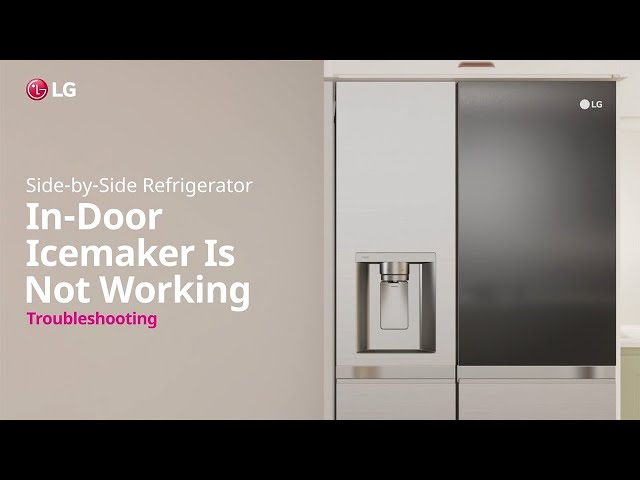
Youtube Video:
Quick Wiring Specifications & Terminal Guide
| Component / Circuit | Standard Wire Gauge | Recommended Protection |
|---|---|---|
| Control & Trigger Signals | 18 – 20 AWG | 5A – 7.5A Inline Fuse |
| Standard Auxiliary Load | 14 – 16 AWG | 15A – 20A Circuit Breaker |
| Main Power Feed / Supply | 10 – 12 AWG | 30A – 40A Heavy-Duty Relay |
