Introduction
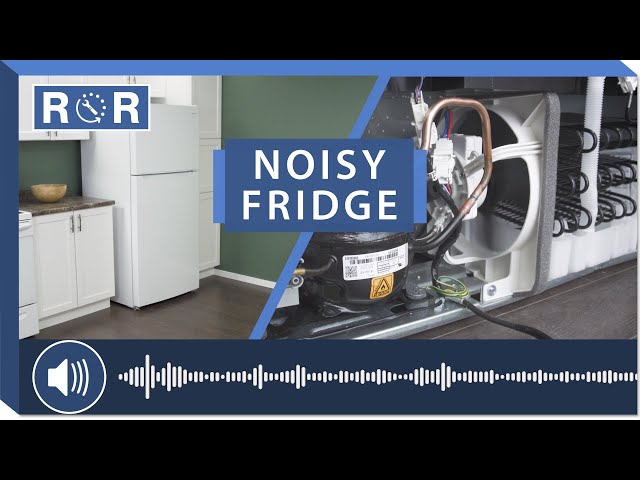
A noisy fridge compressor can be a major annoyance, and sometimes, it can indicate a more serious problem. The compressor is the heart of your refrigerator, responsible for circulating the refrigerant that keeps your food cold. If you hear unusual buzzing, clicking, humming, or rattling sounds coming from the back or bottom of your fridge, it’s often related to the compressor. Addressing these noises promptly can prevent further damage and costly repairs down the line. Don’t ignore those sounds! Early intervention can save you time and money.
Common Causes of Noise from Fridge Compressor
Here are some of the most common reasons why your fridge compressor might be making unusual noises:
- Loose Mounting Hardware: The compressor is mounted with bolts and brackets that can loosen over time, causing vibrations and noise.
- Dirty Condenser Coils: Dust and debris on the condenser coils reduce the compressor’s efficiency, forcing it to work harder and potentially make more noise.
- Worn Compressor Mounts/Bushings: Rubber mounts dampen vibrations. If these are worn or cracked, the compressor noise will be amplified.
- Refrigerant Issues: Low refrigerant levels or refrigerant leaks can cause the compressor to work harder and produce unusual sounds.
- Overload Relay Issues: The overload relay protects the compressor from overheating. A faulty relay can cause clicking or buzzing noises.
- Internal Compressor Damage: In older refrigerators, the compressor itself can wear out internally, leading to rattling or grinding noises.
- Defrost Timer Malfunction: Sometimes the noise isn’t the compressor itself, but the defrost timer cycling on and off intermittently.
- Fan Obstruction: Both the condenser fan (near the compressor) and the evaporator fan (inside the freezer) can cause noise if they are obstructed by debris or ice.
Symptoms Checklist
Check these indicators to help pinpoint the issue:
- Loud buzzing or humming sounds coming from the back of the fridge.
- Clicking noises that seem to cycle on and off.
- Rattling or vibrating noises.
- Increased fridge temperature or difficulty keeping food cold.
- The fridge is running more frequently than usual.
- Unusual amount of frost buildup inside the freezer.
How to Fix Noise from Fridge Compressor Step-by-Step Guide
Follow these steps to troubleshoot the noisy compressor:
- Unplug the Fridge: Before you start any work, unplug the refrigerator from the power outlet for safety.
- Locate the Compressor: The compressor is usually located at the back of the fridge, near the bottom. It’s a black, cylindrical or oval-shaped component.
- Inspect the Mounting Hardware: Check the bolts and brackets that secure the compressor. Tighten any loose connections with a wrench or screwdriver.
- Clean the Condenser Coils: Use a vacuum cleaner with a brush attachment to remove dust and debris from the condenser coils. These are usually located behind the fridge or at the bottom.
- Check the Compressor Mounts: Examine the rubber mounts or bushings that cushion the compressor. Look for cracks, wear, or deterioration.
- Listen Carefully to the Noise: Try to pinpoint the exact source of the noise. Is it coming directly from the compressor, or from nearby components?
- Inspect the Condenser Fan: Ensure the condenser fan blades are clean and unobstructed. Check for any signs of damage to the fan motor.
- Check the Evaporator Fan: Open the freezer and listen for the evaporator fan. If it’s blocked by ice buildup, manually defrost the freezer.
- Listen for Clicking from Overload Relay: The overload relay is attached to the compressor. If you hear clicking from this area, it might indicate a faulty relay.
- Check the Drain Pan: The drain pan is located near the compressor. Make sure it’s properly positioned and not vibrating against other components.
- Level the Fridge: An unlevel fridge can cause vibrations and noise. Use a level to ensure the fridge is sitting evenly on the floor. Adjust the leveling feet as needed.
- Ensure Proper Airflow: Make sure there’s adequate space around the fridge for proper ventilation. Don’t pack items too closely around the sides or back.
- Plug the Fridge Back In: After completing the above steps, plug the fridge back in and listen for any changes in the noise.
Fix the Issue Without Buying Parts
Sometimes, you can resolve the noise issue without replacing any parts:
- Reset the Fridge: Unplug the fridge for 30 minutes to reset the system. This can sometimes resolve minor electronic glitches.
- Deep Clean: Clean the entire refrigerator, including the interior, exterior, and coils. A thorough cleaning can eliminate obstructions and improve efficiency.
- Check Door Seals: Ensure the door seals are clean and intact. Damaged seals can cause the compressor to work harder and produce more noise.
- Rearrange Fridge Contents: Make sure items inside the fridge are not touching the back wall, as this can sometimes amplify compressor noise.
When Replacement Might Be Necessary
If the noise persists after trying the above steps, and you suspect internal compressor damage or a faulty overload relay, replacement may be necessary. Replacing the compressor is a complex repair that’s often best left to a qualified technician. Estimated costs can range from $300 to $800 USD, including labor and parts. Common parts that might fail include the compressor itself, the overload relay, and the start capacitor.
Safety Warning
- Always unplug the refrigerator before performing any repairs.
- Avoid working on electrical components with wet hands.
- If you’re not comfortable working with electrical appliances, consult a qualified technician.
- Be careful when handling tools to avoid injury.
- Ensure the work area is well-ventilated.
Tools You May Need
- Screwdriver (Phillips and flathead)
- Wrench
- Vacuum cleaner with brush attachment
- Level
- Gloves
- Flashlight
FAQ
Here are some common questions about noisy fridge compressors:
-
Q: Why is my fridge compressor so loud all of a sudden?
A: It could be due to a loose mounting, dirty coils, or a failing component. Follow the troubleshooting steps in this guide to diagnose the issue. -
Q: Is it safe to use my fridge if the compressor is making noise?
A: It’s generally safe, but it’s best to address the issue promptly to prevent further damage. If the fridge isn’t cooling properly, it’s best to empty it and investigate. -
Q: How long does a fridge compressor usually last?
A: A well-maintained compressor can last 10-15 years, but this can vary depending on usage and environmental conditions. -
Q: Can I replace the compressor myself?
A: Replacing a compressor requires specialized tools and knowledge of refrigeration systems. It’s generally recommended to hire a qualified technician.
Conclusion
A noisy fridge compressor can be concerning, but often, it’s a problem you can tackle yourself with a little patience and this guide. Try the simple troubleshooting steps outlined above before calling a technician. You might be surprised at how easily you can fix the problem and restore your fridge to quiet operation. Good luck!
Youtube Video:
Looking for more useful options?
Check out recommended resources that others find helpful.