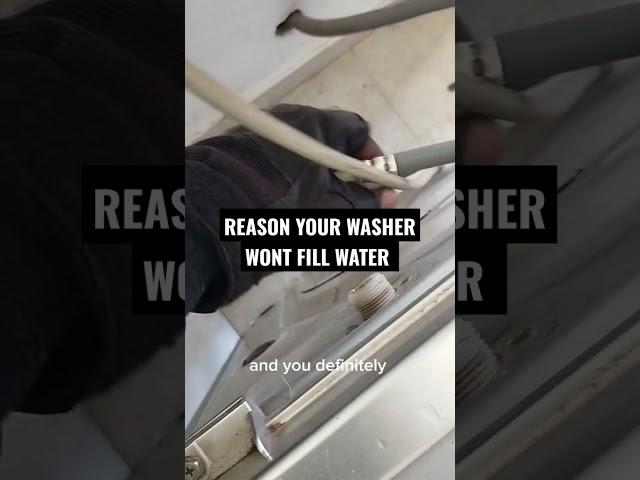
Introduction
Finding your washing machine isn’t filling with water can be a real headache. You’re ready to do laundry, but all you get is a dry drum. This problem not only delays your laundry but can also indicate a bigger issue with your appliance. It’s a common problem, and often occurs after moving the machine, during periods of low water pressure, or even seemingly out of the blue. Addressing it quickly can prevent potential damage to your clothes and the washing machine itself. Let’s troubleshoot!
Common Causes of No Water in the Washing Machine
Here are some of the most common reasons why your washing machine might not be getting any water:
- Closed Water Supply Valves: The hot and cold water valves behind the machine might be turned off.
- Kinked or Blocked Water Hoses: The hoses connecting the machine to the water supply could be bent, pinched, or clogged.
- Clogged Inlet Valve Screens: Small screens at the point where the water hoses connect to the machine can become blocked with sediment.
- Water Pressure Issues: Low water pressure in your home can prevent the machine from filling properly.
- Faulty Water Inlet Valve: This valve controls the flow of water into the machine. If it’s broken, it won’t open, even when it’s supposed to.
- Door or Lid Switch Problems: If the washing machine doesn’t detect that the door or lid is closed properly, it won’t start filling with water.
- Timer or Control Panel Malfunction: A faulty timer or control panel might not be sending the signal to the water inlet valve to open.
- Drain Hose Issues: If the drain hose is positioned too low, the machine might be siphoning out water as it tries to fill.
Symptoms Checklist
Use this checklist to help identify the specific issue:
- No water enters the machine at all.
- Water trickles in very slowly.
- The machine makes humming noises, but no water comes in.
- The machine starts, but the drum remains dry.
- Error codes related to water supply appear on the display.
- You hear water filling briefly, then stopping.
How to Fix No Water in the Washing Machine Step-by-Step Guide
Follow these steps to troubleshoot and fix the problem:
- Unplug the Washing Machine: For safety, always disconnect the power before working on any appliance.
- Check the Water Supply Valves: Make sure both the hot and cold water valves behind the washing machine are fully open.
- Inspect the Water Hoses: Look for any kinks, bends, or damage in the hoses. Straighten out any kinks.
- Disconnect the Water Hoses: Carefully disconnect the hoses from both the washing machine and the water supply valves. Have a bucket ready to catch any water.
- Clean the Inlet Valve Screens: Locate the small screens inside the hose connections on the washing machine. Use pliers to remove them. Clean them thoroughly with a brush and remove any debris. Reinstall the screens.
- Check Water Pressure: Turn on the water supply valves and check the water pressure coming from the hoses. It should be a strong, steady stream. If the pressure is low, investigate your home’s water pressure or contact your water company.
- Reconnect the Water Hoses: Reattach the hoses securely to the washing machine and the water supply valves. Make sure they are tightened properly to prevent leaks.
- Check the Drain Hose: Ensure the drain hose is not pushed too far down the drain pipe. The end of the hose should be high enough to prevent siphoning. It shouldn’t be airtight within the drain pipe.
- Check the Lid Switch: (Top-loading machines) Make sure nothing is obstructing the lid from closing properly. The lid switch may need adjustment or cleaning.
- Plug in the Washing Machine: Reconnect the power cord.
- Run a Test Cycle: Select a small load or rinse cycle and start the machine. Observe if water now enters the drum.
- Listen for the Inlet Valve: When you start the cycle, listen for a clicking or humming sound coming from the area where the water hoses connect to the machine. This indicates that the inlet valve is receiving power.
- Check for Error Codes: If the machine displays an error code related to water supply, consult your owner’s manual for troubleshooting steps specific to that code.
Fix the Issue Without Buying Parts
Before you consider replacing any parts, try these free methods:
- Reset the Machine: Unplug the washing machine for 5-10 minutes, then plug it back in. This can sometimes reset the control panel and resolve minor glitches.
- Clean the Dispenser Drawers: Soap buildup in the dispenser drawers can sometimes affect water flow. Clean the drawers thoroughly.
- Check for Software Updates: Some newer washing machines have software updates that can address known issues. Check your owner’s manual or the manufacturer’s website for instructions.
- Regular Maintenance: Run a cleaning cycle with a washing machine cleaner every few months to prevent buildup and clogs.
When Replacement Might Be Necessary
If you’ve tried all the troubleshooting steps and the machine still isn’t filling with water, a part might need to be replaced. The most common parts to fail are:
- Water Inlet Valve: If the valve isn’t opening, even when receiving power, it likely needs replacing. Cost: $20-$75 USD.
- Lid Switch: (Top-loading machines) If the lid switch is broken, the machine won’t start. Cost: $15-$40 USD.
- Control Panel: A faulty control panel can cause various problems, including water filling issues. Cost: $100-$300 USD (professional repair is usually recommended)
Safety Warning
- Always unplug the washing machine before performing any maintenance or repairs.
- Be careful when handling water, as wet floors can be slippery.
- If you are uncomfortable working with electrical components, consult a qualified technician.
- Turn off the water supply valves before disconnecting any hoses.
Tools You May Need
- Pliers
- Screwdrivers (Phillips and flathead)
- Bucket
- Adjustable Wrench
- Small Brush (old toothbrush works well)
FAQ
Here are some frequently asked questions about washing machine water issues:
-
Q: Why is my washing machine making a humming noise but not filling?
A: This could indicate a problem with the water inlet valve. It might be receiving power but is unable to open due to blockage or failure. Check the inlet valve screens and consider replacing the valve if necessary. -
Q: What if only cold water is not coming into the machine?
A: Make sure the cold water supply valve is fully open. Check the cold water hose for kinks or blockages. Also, inspect the cold water inlet valve screen specifically. -
Q: My washing machine fills very slowly. What could be the reason?
A: Low water pressure is a likely cause. Also, check the inlet valve screens for partial blockages. -
Q: How do I know if the inlet valve is getting power?
A: When you start the cycle, listen for a clicking or humming sound near the water hose connections. This indicates that the valve is receiving power.
Conclusion
Troubleshooting a washing machine that won’t fill with water might seem daunting, but by following these steps, you can often identify and fix the problem yourself. Start with the simple solutions and work your way through the more complex ones. Remember to prioritize safety and consult a professional if you’re not comfortable with any of the repairs. With a little patience and effort, you can get your washing machine back up and running in no time, saving you money and hassle!
Youtube Video:
Looking for more useful options?
Check out recommended resources that others find helpful.