
Introduction
Is your Nest thermostat refusing to turn on the heat, leaving you shivering in the cold? A non-functional thermostat can be a homeowner’s nightmare, especially during the winter months. It’s a problem that requires immediate attention to ensure your comfort and prevent potential damage from freezing temperatures. Many homeowners find themselves facing this issue after a power outage, after changing the thermostat settings, or even seemingly at random. Understanding why your Nest thermostat isn’t turning on the heat is the first step to solving the problem and restoring warmth to your home.
💡 Technical Key Takeaways:
- Core Focus: Diagnostic schematic and terminal connection layout for Nest Thermostat Will Not Turn Heat On.
- Target Scope: Field technicians, automotive DIYers, and residential/commercial electricians.
- Safety Rule: Always disconnect the primary power source/battery terminal and verify zero voltage with a multimeter before touching wires.
Common Causes of nest thermostat will not turn heat on
Here are some of the most common reasons why your Nest thermostat might not be turning on the heat:. For more related activities, check out our My Ac Unit Is Making A Rattling Noise.
- Low Battery: Nest thermostats rely on a rechargeable battery. If the battery is too low, it might not be able to signal the heating system.
- Wiring Issues: Incorrect or loose wiring can prevent the thermostat from communicating with your furnace.
- Incorrect Configuration: The thermostat might not be properly configured for your type of heating system.
- Faulty Furnace: The problem may not be with the thermostat at all, but with a malfunctioning furnace.
- Thermostat Not Set to “Heat”: It sounds simple, but sometimes the thermostat mode is accidentally set to “Cool” or “Off”.
- Blocked Air Filters: A clogged air filter can cause the furnace to overheat and shut down.
- Tripped Circuit Breaker: A tripped breaker can cut power to your furnace or the thermostat itself.
- Software Glitches: Like any electronic device, Nest thermostats can experience occasional software glitches.
- Wi-Fi Connectivity Issues: While not directly preventing heat, communication issues with the Nest server can sometimes cause unexpected behavior.
- Overheating: Internal overheating protection of your furnace will turn off the system.
Symptoms Checklist
Use this checklist to help identify the issue accurately:
- The Nest thermostat screen is blank or displaying a low battery icon.
- The thermostat is set to “Heat,” but the furnace isn’t turning on.
- The thermostat displays an error message related to heating.
- You hear clicking sounds from the thermostat but no action from the furnace.
- The furnace turns on briefly and then shuts off.
- The Nest app shows the thermostat as offline or unresponsive.
- Other appliances or lights are not working, indicating a power issue.
- You notice unusually cold air coming from the vents.
- The thermostat displays a message indicating wiring issues.
How to Fix nest thermostat will not turn heat on Step-by-Step Guide
Follow these steps to troubleshoot and fix the issue:
- Check the Thermostat Display: Ensure the screen is on and responsive. If it’s blank, proceed to the next step.
- Charge the Thermostat: Remove the thermostat from the wall plate and charge it using a USB cable for at least 30 minutes. Reattach and see if it powers on and the heat works.
- Verify the Mode: Make sure the thermostat is set to “Heat” and that the desired temperature is higher than the current room temperature.
- Inspect the Wiring: Turn off the power to your furnace at the circuit breaker. Carefully remove the thermostat from the wall plate and inspect the wires. Ensure they are securely connected to the correct terminals. Refer to the Nest wiring diagram for your specific model.
- Restart the Thermostat: Press and hold the thermostat ring until the screen turns off and restarts.
- Check the Furnace Power: Go to your circuit breaker panel and check if the breaker for your furnace is tripped. If it is, reset it.
- Inspect the Furnace Filter: A dirty filter can cause the furnace to overheat and shut down. Replace it with a clean filter.
- Check the Furnace Pilot Light (if applicable): If you have an older furnace with a pilot light, ensure that the pilot light is lit. If it’s not, follow the manufacturer’s instructions to relight it.
- Restart Your Furnace: Locate the power switch on your furnace (usually near the unit) and turn it off for a few minutes, then turn it back on.
- Reset the Thermostat to Factory Settings: This should be done as a last resort. From the thermostat menu, select “Settings,” then “Reset,” then “All Settings.” Note: You will need to set up the thermostat again after this.
- Check Wi-Fi Connection: Ensure your Nest is connected to your Wi-Fi network. A weak or lost connection can sometimes interfere with its functions.
- Contact Nest Support: If none of the above steps work, contact Nest support for further assistance. They may be able to diagnose the problem remotely.
Fix the Issue Without Buying Parts
Often, you can resolve the issue without purchasing any new parts. Here are some free methods to try:
- Resetting the Thermostat: A simple reset can often resolve software glitches.
- Cleaning the Thermostat: Dust and debris can interfere with the thermostat’s sensors. Gently clean the thermostat with a soft, dry cloth.
- Recalibrating the Thermostat: Check to see if your Nest needs recalibration. Older nests do get off after a number of years and need recalibration or replacement.
- Inspecting Wiring Connections: Ensure all the wiring connections are tight and secure. Loose connections are a common cause of thermostat problems.
- Checking the Air Filter: Regularly replace your air filter to prevent your furnace from overheating.
When Replacement Might Be Necessary
If you’ve exhausted all troubleshooting steps and your Nest thermostat still isn’t turning on the heat, replacement might be necessary. Common reasons for replacement include a completely dead screen, persistent error messages, or physical damage. Replacement Nest thermostats can range from $200 to $300 USD, depending on the model. Commonly failing parts include the internal battery, the display screen, and the internal circuitry.
Safety Warning
- Always turn off the power to your furnace at the circuit breaker before working with any wiring.
- If you are not comfortable working with electrical wiring, consult a qualified electrician or HVAC technician.
- Avoid touching any exposed wires while the power is on.
- Ensure the work area is dry and well-lit.
Tools You May Need
Here’s a list of simple tools that might be helpful:
- Screwdriver (Phillips and flathead)
- USB charging cable
- Flashlight
- Wire stripper/cutter
- Multimeter (optional, for testing voltage)
FAQ
Here are some frequently asked questions about Nest thermostat issues:
- Q: My Nest thermostat screen is black. What should I do? A: Try charging it using a USB cable. If it still doesn’t turn on, it might be faulty.
- Q: The thermostat says “No power to R wire.” What does that mean? A: This indicates a wiring issue. Check the R wire connection on both the thermostat and the furnace.
- Q: My furnace turns on for a few minutes and then shuts off. Why? A: This could be due to overheating. Check the air filter and ensure the vents are not blocked.
- Q: How do I reset my Nest thermostat? A: From the thermostat menu, select “Settings,” then “Reset,” then choose the desired reset option.
- Q: The Nest app says my thermostat is offline. What do I do? A: Check your Wi-Fi connection and ensure the thermostat is within range of your router.
Conclusion
Troubleshooting a Nest thermostat that won’t turn on the heat can seem daunting, but by following these steps, you can often resolve the issue yourself. Remember to prioritize safety and double-check all connections. If you’ve tried everything and are still facing problems, don’t hesitate to contact a qualified technician. In many cases, the issue can be fixed without the need for expensive replacements.
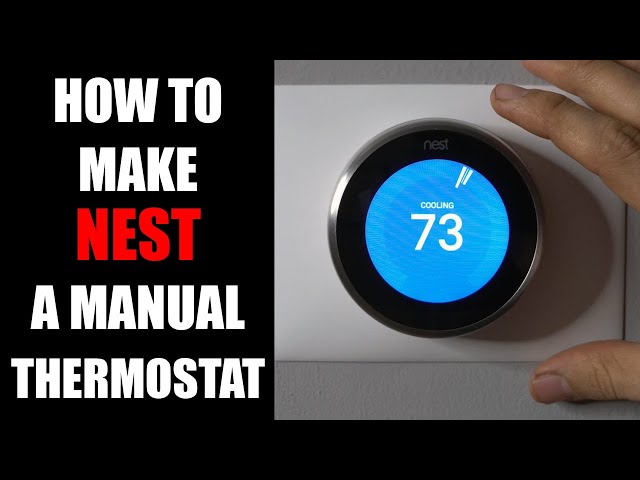
Youtube Video:
Quick Wiring Specifications & Terminal Guide
| Component / Circuit | Standard Wire Gauge | Recommended Protection |
|---|---|---|
| Control & Trigger Signals | 18 – 20 AWG | 5A – 7.5A Inline Fuse |
| Standard Auxiliary Load | 14 – 16 AWG | 15A – 20A Circuit Breaker |
| Main Power Feed / Supply | 10 – 12 AWG | 30A – 40A Heavy-Duty Relay |
Images References
Looking for more diagnostic guides? Explore our complete Air Conditioner Troubleshooting 5 section for step-by-step troubleshooting solutions.
