
Introduction
Is your Nest thermostat acting up, leaving you with an uncomfortably warm house? A malfunctioning AC system controlled by your Nest can be frustrating, especially during hot weather. This guide will walk you through common causes and simple fixes you can try yourself before calling a professional. Addressing these issues promptly can prevent further damage to your AC and save you money on energy bills.
💡 Technical Key Takeaways:
- Core Focus: Diagnostic schematic and terminal connection layout for Nest Ac Issues.
- Target Scope: Field technicians, automotive DIYers, and residential/commercial electricians.
- Safety Rule: Always disconnect the primary power source/battery terminal and verify zero voltage with a multimeter before touching wires.
Common Causes of nest ac issues
Here are some of the most common reasons why your Nest might be causing AC problems:
- Incorrect Wiring: Improperly wired thermostats can lead to erratic AC behavior.
- Wi-Fi Connectivity Issues: Your Nest needs a stable Wi-Fi connection to communicate with your AC unit effectively.
- Dead Batteries (for older models): Some older Nest models use batteries that can die, disrupting the thermostat’s function.
- Incorrect Settings: Simple mistakes in scheduling or temperature settings can cause unexpected behavior.
- Compatibility Problems: Nest thermostats are generally compatible with most systems, but some older or specialized AC units might present issues.
- Overheating: Direct sunlight or placement near heat sources can cause the Nest to overheat and malfunction.
- Software Glitches: Like any electronic device, Nest thermostats can experience temporary software glitches.
- Dirty Air Filter: A clogged air filter restricts airflow to your AC unit, causing it to work harder and potentially malfunction. This is indirectly related but important.
- Breaker Issues: A tripped breaker can cut power to your AC unit or Nest thermostat.
Symptoms Checklist
Does your Nest AC system exhibit any of these symptoms? Check all that apply:
- AC not turning on at all.
- AC turning on, but blowing warm air.
- AC turning on and off repeatedly (short cycling).
- Nest thermostat displaying an error message.
- Nest thermostat not responding to changes in temperature settings.
- Nest thermostat losing its Wi-Fi connection frequently.
- Unusual noises coming from the AC unit.
- High energy bills despite normal usage.
How to Fix nest ac issues Step-by-Step Guide
Follow these steps to troubleshoot your Nest AC issues:
- Check the Power: Make sure your AC unit has power. Check the breaker in your electrical panel and reset it if necessary.
- Examine the Wiring: Carefully inspect the wiring connections at the Nest thermostat and the AC unit. Ensure all wires are securely connected and not frayed or damaged. (Turn off the power before doing this!)
- Restart the Nest: A simple restart can often resolve minor software glitches. Go to Settings > Technical Info > Restart.
- Check Your Wi-Fi Connection: Ensure your Nest is connected to a stable Wi-Fi network. If not, reconnect it using the Nest app.
- Verify Your Settings: Double-check your Nest’s temperature settings, schedule, and any other configured options to ensure they are correct.
- Clean the Air Filter: Locate your AC unit’s air filter and replace it with a clean one. A dirty filter restricts airflow and can cause problems.
- Check for Obstructions: Make sure nothing is blocking the AC unit, either inside or outside. Clear any debris, leaves, or snow that may be restricting airflow.
- Inspect the Condenser Unit: The outdoor part of your AC (condenser) should be free from dirt and debris. Use a garden hose to gently clean the fins. (Turn off the power first).
- Recharge the Battery (if applicable): If you have an older Nest thermostat with a battery, make sure it’s charged. You can usually charge it via USB.
- Update the Nest Software: Ensure your Nest thermostat is running the latest software version. Check for updates in the Nest app.
- Reset to Factory Settings (as a last resort): If all else fails, try resetting your Nest to its factory settings. Note that this will erase your settings, so you’ll need to reconfigure it afterward. Go to Settings > Reset > All Settings.
- Check Compatibility: Consult the Nest website or your AC unit’s manual to confirm compatibility. If there are known issues, there might be specific workarounds or adapters available.
Fix the Issue Without Buying Parts
Here are some free methods you can try to fix your Nest AC issues:
- Reset the Thermostat: As mentioned earlier, restarting or resetting your Nest can resolve many software-related problems.
- Clean the Condenser Unit: Regular cleaning of the outdoor AC unit ensures proper airflow and efficiency.
- Recalibrate the Temperature Sensor: If your Nest is consistently displaying inaccurate temperatures, you may need to recalibrate the sensor in settings.
- Inspect Wiring Regularly: Periodically check the wiring connections for any signs of damage or looseness.
- Maintain Air Filter: Regularly replacing or cleaning your air filter is crucial for maintaining optimal AC performance.
When Replacement Might Be Necessary
If you’ve exhausted all troubleshooting steps and your Nest thermostat still isn’t working correctly, consider professional help. Here are potential replacement scenarios:
- Thermostat Failure: If the Nest itself is malfunctioning and unresponsive, it may need replacement. (Estimated cost: $200$300)
- AC Unit Issues: The problem might actually be with the AC unit itself (compressor, fan motor). Contact an HVAC technician. (Repair cost can range from $150 to $1000+ depending on the issue)
Safety Warning
Please observe these safety precautions while troubleshooting:
- Always turn off the power to the AC unit and thermostat at the breaker before working with wiring.
- Avoid touching any electrical components with wet hands.
- If you are uncomfortable working with electricity, contact a qualified HVAC technician.
Tools You May Need
Here’s a list of tools you might find helpful:
- Screwdrivers (Phillips and flathead)
- Wire stripper
- Pliers
- Multimeter (for testing voltage use with caution!)
- Vacuum or brush (for cleaning)
- New air filter
FAQ
Here are some frequently asked questions about Nest AC issues:
-
Q: My Nest thermostat says “No Power to RC Wire”. What does that mean?
A: This usually indicates a wiring issue. Check the wire connected to the RC terminal on both the Nest and the AC unit.
-
Q: My AC is blowing warm air even though the Nest is set to cool. What’s wrong?
A: This could be a dirty air filter, a refrigerant leak in your AC unit, or incorrect settings on the Nest. First check the filter and settings.
-
Q: My Nest keeps losing its Wi-Fi connection. How do I fix it?
A: Ensure your Wi-Fi router is working properly and that the Nest is within range. Try restarting your router and the Nest thermostat.
-
Q: How do I know if my Nest thermostat is compatible with my AC unit?
A: Consult the Nest website or your AC unit’s manual for compatibility information. Look for a list of compatible systems.
Conclusion
Troubleshooting Nest AC issues can seem daunting, but by following these steps, you can often resolve common problems yourself. Remember to prioritize safety and take your time. If you’re uncomfortable with any of these steps or the problem persists, don’t hesitate to call a qualified HVAC technician. They can diagnose the issue accurately and ensure your AC system is running efficiently and safely.
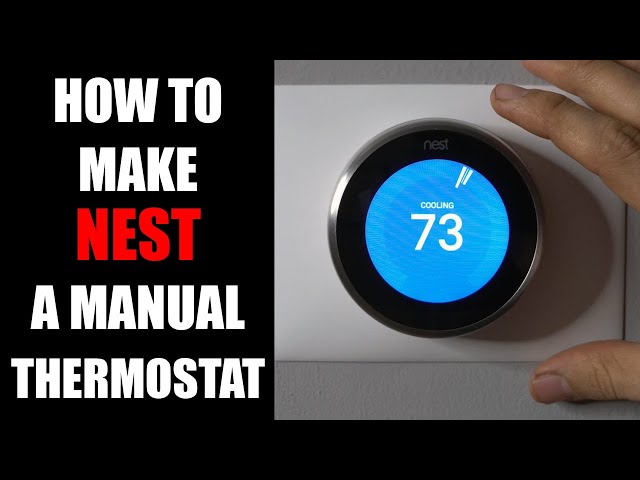
Youtube Video:
Quick Wiring Specifications & Terminal Guide
| Component / Circuit | Standard Wire Gauge | Recommended Protection |
|---|---|---|
| Control & Trigger Signals | 18 – 20 AWG | 5A – 7.5A Inline Fuse |
| Standard Auxiliary Load | 14 – 16 AWG | 15A – 20A Circuit Breaker |
| Main Power Feed / Supply | 10 – 12 AWG | 30A – 40A Heavy-Duty Relay |
Images References
Looking for more diagnostic guides? Explore our complete Air Conditioner Troubleshooting 5 section for step-by-step troubleshooting solutions.
