
Introduction
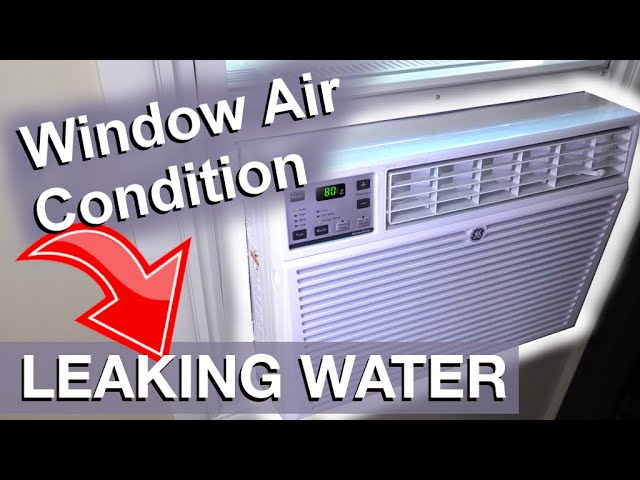
A leaking window AC unit is a common problem, especially during hot and humid weather. It’s usually not a sign of a major malfunction, but it’s important to address it quickly. Water leaking inside your home can damage floors, walls, and furniture. Plus, a constantly dripping AC means it’s not operating efficiently, wasting energy and costing you money. Let’s get this sorted out to prevent any further damage.
💡 Technical Key Takeaways:
- Core Focus: Diagnostic schematic and terminal connection layout for My Window Ac Unit Is Leaking Water.
- Target Scope: Field technicians, automotive DIYers, and residential/commercial electricians.
- Safety Rule: Always disconnect the primary power source/battery terminal and verify zero voltage with a multimeter before touching wires.
Common Causes of My Window AC Unit is Leaking Water
Here are some of the most frequent reasons why your window AC might be leaking:
- Clogged Drain Hole: This is the most common culprit. Condensation naturally forms inside the AC, and a drain hole allows it to escape outside. If this hole gets blocked with dust, dirt, or debris, water will back up and leak indoors.
- Improper Installation: If the AC isn’t tilted slightly towards the outside, the water won’t drain properly and can overflow.
- Dirty Air Filter: A dirty filter restricts airflow, causing the evaporator coil to freeze up. When the ice melts, it creates excess water that can overwhelm the drainage system.
- Damaged Drain Pan: The drain pan catches the condensation before it exits through the drain hole. If the pan is cracked or damaged, it can leak.
- High Humidity: On extremely humid days, the AC unit might produce more condensation than it’s designed to handle, leading to some overflow.
- Frozen Evaporator Coils: Besides a dirty filter, low refrigerant levels or a malfunctioning fan can also cause the coils to freeze.
- Drain Tube Issues: Some window AC units have a drain tube instead of just a hole. This tube can become kinked or blocked, preventing proper drainage.
- Worn Weather Stripping: Deteriorated weather stripping around the AC unit can allow rainwater to enter, mimicking a leak.
Symptoms Checklist
Use this checklist to help pinpoint the exact nature of the problem:
- Water dripping inside the room, usually from the front or sides of the AC.
- Water pooling on the floor beneath the AC unit.
- Increased humidity levels inside the room.
- A musty or moldy smell coming from the AC unit.
- Ice forming on the coils inside the unit (visible when you remove the filter).
- The AC unit running constantly without effectively cooling the room.
How to Fix My Window AC Unit is Leaking Water Step-by-Step Guide
Follow these steps to troubleshoot and fix your leaking AC:
- Unplug the AC Unit: Safety first! Disconnect the power cord from the outlet.
- Inspect the Air Filter: Remove the filter (usually located at the front of the unit). Is it dirty? If so, wash it with mild soap and water, let it dry completely, and then replace it.
- Locate the Drain Hole: This is usually on the back or bottom of the unit, near the outside.
- Clear the Drain Hole: Use a straightened paperclip, pipe cleaner, or small screwdriver to gently clear any blockage in the drain hole. Be careful not to damage the hole.
- Check the Tilt: Ensure the AC unit is tilted slightly downwards towards the outside. Use a level to verify. You might need to shim the unit with wood pieces or adjust the mounting brackets.
- Inspect the Drain Pan (if accessible): If you can safely access the drain pan, check for cracks or damage. Minor cracks might be repairable with sealant.
- Check the Drain Tube (if applicable): If your unit has a drain tube, make sure it’s not kinked, clogged, or disconnected. Clear any blockages.
- Clean the Exterior: Wipe down the exterior of the unit to remove any accumulated dirt or debris that might be contributing to the problem.
- Inspect Weather Stripping: Check the weather stripping around the units edges. Replace if damaged.
- Run the AC on Fan Only: After cleaning and clearing any blockages, plug the AC back in and run it on the “Fan Only” setting for a few hours. This can help melt any remaining ice on the coils.
- Monitor for Leaks: After running the fan for a while, switch back to cooling mode and carefully observe the unit for any leaks.
- Check for Coil Freeze: If the unit is still leaking, unplug it and remove the cover to inspect the evaporator coils. If they are frozen, let the ice melt completely before proceeding.
- Reinstall Carefully: Make sure the unit is securely mounted and properly tilted.
Fix the Issue Without Buying Parts
Often, a leaking window AC can be fixed without spending any money:
- Regular Cleaning: Clean your air filter every month, or more often if you live in a dusty environment.
- Proper Installation: Make sure the unit is installed correctly with a slight downward tilt.
- Seasonal Check-up: Before using the AC each year, inspect the drain hole and clear any debris.
- Avoid Overuse: During periods of extreme humidity, try not to run the AC at full blast constantly. Give it breaks to prevent excessive condensation.
When Replacement Might Be Necessary
If you’ve tried all the troubleshooting steps and your AC is still leaking, or if you notice any of the following, it might be time to consider replacement:
- Severe Damage to the Drain Pan: If the drain pan is badly cracked or corroded, replacement is usually the best option.
- Refrigerant Leaks: If you suspect a refrigerant leak (the unit isn’t cooling well, and you hear a hissing sound), it’s best to consult a professional. Refrigerant leaks are complex and require specialized equipment.
- Old Age: If your AC unit is more than 8-10 years old, it might be nearing the end of its lifespan.
Replacement window AC units typically range in price from $150 to $500 USD, depending on the size and features.
Safety Warning
- Always unplug the AC unit before performing any maintenance or repairs.
- Be careful when working with water and electricity. Avoid standing in puddles.
- If you’re not comfortable working with electrical appliances, consult a qualified technician.
- Avoid using sharp objects that could puncture the coils or other internal components.
Tools You May Need
- Screwdriver (Phillips and flathead)
- Paperclip or pipe cleaner
- Level
- Mild soap and water
- Clean cloths or towels
- Flashlight
- Sealant (for minor drain pan repairs)
FAQ
- Why is my AC leaking even after I cleaned the drain hole? There might be other blockages further up the drain system, or the AC might not be tilted correctly.
- Can I use a vacuum to clear the drain hole? Yes, a vacuum cleaner with a narrow attachment can sometimes help clear stubborn blockages.
- Is it normal for my AC to drip a little bit outside? Yes, some condensation is normal, especially on humid days. The problem is when the water is leaking inside.
- How often should I clean my window AC unit? At least once a year, before the start of the cooling season. Clean the filter monthly.
Conclusion
Troubleshooting a leaking window AC unit can often be done yourself with a little patience and the right guidance. By following these steps, you can save money and prevent further damage to your home. If you’ve exhausted all options and the problem persists, don’t hesitate to call a qualified HVAC technician. Good luck!
Youtube Video:
Quick Wiring Specifications & Terminal Guide
| Component / Circuit | Standard Wire Gauge | Recommended Protection |
|---|---|---|
| Control & Trigger Signals | 18 – 20 AWG | 5A – 7.5A Inline Fuse |
| Standard Auxiliary Load | 14 – 16 AWG | 15A – 20A Circuit Breaker |
| Main Power Feed / Supply | 10 – 12 AWG | 30A – 40A Heavy-Duty Relay |
Images References
Looking for more diagnostic guides? Explore our complete Air Conditioner Troubleshooting 5 section for step-by-step troubleshooting solutions.
