Introduction
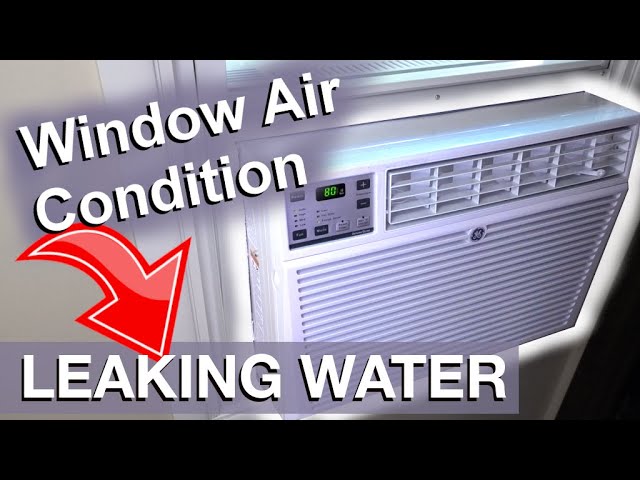
Finding water inside or dripping from your window air conditioner can be concerning. It usually means something isn’t working quite right and needs attention. This can lead to decreased cooling performance, potential water damage to your home, and even electrical hazards if left unattended. It’s a common issue, especially during periods of high humidity, but it’s important to address it promptly to prevent further problems. Let’s explore what might be happening and how you can try to fix it yourself.
Common Causes of My Window AC Has Water in It
Here are some of the most frequent reasons why your window AC might be accumulating or leaking water:
- Clogged Drainage Hole: This is the most common culprit. The drain hole allows condensation to escape. If it’s blocked by dirt, dust, or debris, water will build up inside.
- Improper Installation Angle: Window AC units are designed to be slightly tilted outwards. If installed level or tilted inwards, water can’t drain properly.
- Dirty Air Filter: A clogged air filter restricts airflow, causing the evaporator coil to freeze up. When the ice melts, it creates excess water.
- High Humidity Levels: In very humid conditions, the AC may produce more condensation than it can efficiently drain.
- Damaged Drain Pan: The drain pan, which collects condensation, can crack or rust over time, leading to leaks.
- Frozen Evaporator Coils: Restricted airflow (due to a dirty filter or other blockage) can cause the coils to freeze. The subsequent melting causes significant water buildup.
- Debris in the AC Unit: Leaves, insects, or other debris can get inside the unit and obstruct the drainage system.
- Kinked or Blocked Drain Hose (if applicable): Some units have a drain hose. If it’s kinked or blocked, water won’t drain properly.
Symptoms Checklist
Use this checklist to help identify the issue accurately:
- Water dripping from the front or back of the AC unit.
- Standing water inside the AC unit.
- Reduced cooling performance.
- Unusual noises coming from the AC unit (gurgling or sloshing).
- Visible ice formation on the coils inside the unit.
- Musty or moldy smell coming from the AC unit.
- Water stains on the wall below the AC unit.
How to Fix My Window AC Has Water in It Step-by-Step Guide
Follow these steps to troubleshoot and fix the problem:
- Safety First! Unplug the AC unit from the power outlet before starting any inspection or repair.
- Check the Installation Angle: Make sure the AC unit is slightly tilted downwards towards the outside. Use a level to verify. Adjust as needed by using shims or pieces of wood underneath the unit.
- Inspect and Clean the Air Filter: Remove the air filter and clean it with warm, soapy water. Let it dry completely before reinstalling. If the filter is very dirty or damaged, consider replacing it.
- Locate the Drainage Hole: The drainage hole is usually located at the bottom of the unit, either on the inside or outside.
- Clear the Drainage Hole: Use a thin wire, pipe cleaner, or straightened paperclip to gently clear any blockages in the drainage hole. Be careful not to puncture the drain pan.
- Inspect the Drain Pan: Carefully examine the drain pan for cracks or rust. If you find any damage, it may eventually need replacement.
- Clean the AC Unit Interior: Use a vacuum cleaner with a brush attachment to remove any dust, debris, or leaves from the inside of the AC unit.
- Check for Frozen Coils: If you suspect frozen coils, turn off the AC unit and let it thaw completely (this could take several hours). Ensure the air filter is clean before turning it back on.
- If Applicable, Check the Drain Hose: If your AC unit has a drain hose, make sure it’s not kinked, blocked, or disconnected.
- Run the AC Unit and Monitor: After completing the above steps, plug the AC unit back in and turn it on. Observe if water is still accumulating or dripping.
- Check for Leaks: Visually inspect the AC unit and the surrounding area for any signs of leaks.
- Consider Using a Wet/Dry Vacuum: If there’s standing water inside the unit, carefully use a wet/dry vacuum to remove it.
Fix the Issue Without Buying Parts
Before considering replacing parts, try these free methods:
- Reset the AC: Unplug the AC unit for 15-20 minutes and then plug it back in. This can sometimes reset the system and resolve minor issues.
- Deep Cleaning: A thorough cleaning of the air filter, coils, and interior of the unit can often resolve water accumulation problems.
- Regular Maintenance: Clean the air filter every 2-4 weeks and periodically inspect the drainage hole to prevent clogs.
- Inspect Seals: Ensure the seals around the window are intact to prevent air and moisture from entering, which can contribute to condensation.
When Replacement Might Be Necessary
If you’ve tried all the troubleshooting steps and the AC unit is still leaking or accumulating water, it may be time to consider replacement. Parts like the drain pan or evaporator coil are often expensive to replace and may not be cost-effective on an older unit. A new window AC unit can range from $150 to $500 USD, depending on the size and features. Common parts that fail leading to persistent water issues include the drain pan (due to rust or cracking) and the evaporator coils (due to corrosion or leaks).
Safety Warning
- Always unplug the AC unit before performing any maintenance or repairs.
- Avoid working on the AC unit while standing on a wet floor.
- Be careful when using tools around electrical components.
- If you are uncomfortable performing any of these steps, consult a qualified technician.
Tools You May Need
- Screwdriver (Phillips and flathead)
- Thin wire, pipe cleaner, or straightened paperclip
- Vacuum cleaner with a brush attachment
- Warm water and mild soap
- Wet/dry vacuum (optional)
- Level
- Shims or small pieces of wood
FAQ
Here are some frequently asked questions about water in window AC units:
- Q: Why is my AC leaking so much water on humid days? A: High humidity increases condensation, which can overwhelm the drainage system. Make sure the drain hole is clear and the unit is properly tilted.
- Q: Can I use bleach to clean the drain pan? A: While bleach can kill mold, it can also damage some plastic parts. Use a diluted solution and rinse thoroughly. A better option is white vinegar.
- Q: How often should I clean my AC unit? A: Clean the air filter every 2-4 weeks and perform a more thorough cleaning of the unit at least once a year.
- Q: Is it normal for some water to drip from my AC unit? A: A small amount of dripping is normal, especially on humid days. However, excessive dripping or standing water indicates a problem.
Conclusion
Finding water in your window AC unit can be frustrating, but with a little troubleshooting, you can often resolve the issue yourself. Start with the simple steps, like cleaning the air filter and clearing the drain hole. If the problem persists, consider more thorough cleaning and inspection. Before you call a technician, give these DIY solutions a try you might just save yourself time and money!
Youtube Video:
Looking for more useful options?
Check out recommended resources that others find helpful.