Introduction
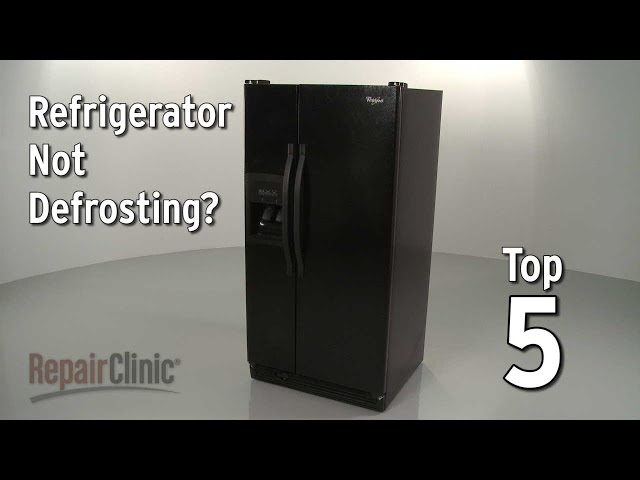
A refrigerator that doesn’t defrost properly can lead to a frustrating build-up of ice, reducing its efficiency and available space. When your refrigerator’s cooling system works overtime to compensate for the ice, your energy bill increases, and food may not be kept at the ideal temperature. This commonly happens when the defrost cycle malfunctions, a component fails, or the refrigerator is overloaded. Addressing this issue promptly can save energy, extend the life of your refrigerator, and ensure your food stays fresh.
Common Causes of My Refrigerator Is Not Defrosting
Here are some common reasons why your refrigerator might not be defrosting:
- Defrost Timer Malfunction: The timer controls when the defrost cycle starts. If it’s broken, it might not initiate the cycle.
- Defrost Heater Failure: The heater melts the ice during the defrost cycle. A faulty heater won’t melt the ice.
- Defrost Thermostat Problems: This thermostat monitors the heater’s temperature and shuts it off when the ice is melted. A malfunctioning thermostat can prevent the heater from working.
- Blocked Defrost Drain: If the drain that carries away melted ice is clogged, water can freeze and cause ice buildup.
- Faulty Defrost Control Board: Modern refrigerators use a control board to manage the defrost cycle. If it’s defective, the defrost function might not work.
- Overloaded Refrigerator: Too much food packed into the refrigerator can restrict airflow and affect the defrost cycle.
- Door Seals Leaking: Worn or damaged door seals allow warm, moist air to enter the refrigerator, contributing to ice formation.
- Dirty Condenser Coils: Dust and debris on the condenser coils reduce their ability to dissipate heat, impacting the refrigerator’s overall performance and defrosting.
Symptoms Checklist
Check for these indicators to confirm your refrigerator is not defrosting correctly:
- Excessive ice buildup on the back wall of the freezer compartment.
- Food in the freezer has frost on it.
- Water leaking inside the refrigerator or on the floor in front of it.
- The refrigerator runs constantly and seems louder than usual.
- The temperature inside the refrigerator is not consistent.
How to Fix My Refrigerator Is Not Defrosting Step-by-Step Guide
Follow these steps to troubleshoot your refrigerator’s defrosting problem:
- Unplug the Refrigerator: For safety, always unplug the refrigerator before starting any repairs.
- Locate the Defrost Timer: It’s usually behind the refrigerator, near the compressor, or inside the refrigerator control panel.
- Manually Advance the Defrost Timer: Use a screwdriver to turn the timer clockwise until you hear a click. The refrigerator should stop running and the defrost heater should turn on.
- Listen for the Heater: If you hear a slight humming sound, the defrost heater is likely working.
- Wait 30 Minutes: Give the defrost cycle time to melt any ice.
- Check the Defrost Drain: Look for the drain opening inside the freezer (usually at the bottom, behind a panel).
- Clear the Drain: Use a turkey baster filled with warm water to flush out any clogs. You can also use a flexible wire or pipe cleaner to dislodge any debris.
- Inspect the Defrost Heater: If you suspect the heater is faulty (and you are comfortable), after unplugging the refrigerator, carefully remove the panel covering the evaporator coils. Visually inspect the heater for any signs of damage, such as breaks or burns.
- Check the Door Seals: Inspect the rubber seals around the refrigerator and freezer doors for cracks, tears, or gaps.
- Clean the Condenser Coils: These coils are usually located on the back of the refrigerator or underneath. Use a vacuum cleaner with a brush attachment to remove dust and debris.
- Plug the Refrigerator Back In: After completing the checks, plug the refrigerator back in.
- Monitor the Refrigerator: Observe the refrigerator over the next 24-48 hours to see if the ice buildup is resolving.
Fix the Issue Without Buying Parts
Here are a few things you can try before considering replacing parts:
- Refrigerator Reset: Unplug the refrigerator for 30 minutes to reset the system. This can sometimes resolve minor software glitches.
- Thorough Cleaning: Remove all food items and clean the interior of the refrigerator, paying close attention to the back wall of the freezer.
- Check Temperature Settings: Ensure the refrigerator and freezer temperatures are set correctly (usually around 37F (3C) for the refrigerator and 0F (-18C) for the freezer).
- Organize Food: Don’t overpack the refrigerator. Proper airflow is essential for efficient cooling and defrosting.
When Replacement Might Be Necessary
If the above steps don’t solve the problem, a faulty defrost heater ($30-$100), defrost thermostat ($15-$50), or defrost timer/control board ($50-$200) might be the culprit. Replacing these components is best left to qualified technicians. If the cost of repair is nearing half the price of a new refrigerator, you might want to consider replacing the entire appliance.
Safety Warning
- Always unplug the refrigerator before performing any repairs.
- Avoid working on electrical components if you are not comfortable or experienced.
- Do not use sharp objects to remove ice, as this can damage the refrigerator’s internal components.
- Be careful when handling the defrost heater, as it can get hot.
Tools You May Need
- Screwdriver (Phillips and flathead)
- Vacuum cleaner with brush attachment
- Turkey baster or syringe
- Warm water
- Flexible wire or pipe cleaner
- Multimeter (optional, for testing electrical components)
FAQ
Here are some frequently asked questions about refrigerator defrosting issues:
- Q: How often should my refrigerator defrost? A: Most refrigerators defrost automatically every 8-12 hours.
- Q: How do I know if my defrost heater is working? A: After manually starting the defrost cycle, you should hear a slight humming sound, and the ice should start to melt. If you have a multimeter, you can test the heater for continuity.
- Q: What happens if I don’t fix the defrost problem? A: Excessive ice buildup will reduce the refrigerator’s efficiency, increase energy consumption, and potentially damage the compressor.
- Q: Can I manually defrost my refrigerator? A: Yes, unplugging the refrigerator and leaving the doors open for several hours will manually defrost it. Place towels to catch any water.
Conclusion
Troubleshooting a refrigerator that isn’t defrosting can seem daunting, but by following these steps, you can often resolve the issue yourself. Start with the simple solutions, such as cleaning the coils and checking the door seals. If the problem persists, consider the other troubleshooting steps before calling a technician. Many times, with a little effort, you can get your refrigerator back to optimal working order!
Youtube Video:
Looking for more useful options?
Check out recommended resources that others find helpful.