
Introduction
Discovering your Norcold RV refrigerator isn’t cooling properly can be a major headache, especially when you’re on the road or preparing for a trip. A warm refrigerator means spoiled food and drinks, quickly turning a relaxing getaway into a stressful situation. This guide will walk you through simple troubleshooting steps to diagnose and potentially fix the problem yourself, saving you time and money before calling a technician. It’s crucial to address this issue promptly to prevent food spoilage and potential health hazards.
💡 Technical Key Takeaways:
- Core Focus: Diagnostic schematic and terminal connection layout for My Norcold Rv Refrigerator Is Not Getting Cold.
- Target Scope: Field technicians, automotive DIYers, and residential/commercial electricians.
- Safety Rule: Always disconnect the primary power source/battery terminal and verify zero voltage with a multimeter before touching wires.
Common Causes of My Norcold RV Refrigerator Is Not Getting Cold
Several factors can contribute to a Norcold RV refrigerator not cooling effectively:
- Incorrect Leveling: RV refrigerators rely on gravity to circulate coolant. If the RV isn’t level, the cooling process can be disrupted.
- Blocked Ventilation: Proper airflow around the refrigerator is essential for heat dissipation. Blocked vents hinder this process.
- Dirty Burner Assembly (for Gas Models): A buildup of soot or debris on the burner can affect its efficiency.
- Faulty Thermostat: The thermostat regulates the cooling cycle. A malfunctioning thermostat might not trigger the cooling process.
- Damaged Cooling Unit: This is the heart of the refrigerator. Damage can lead to a significant cooling failure.
- LP Gas Supply Issues (for Gas Models): Low propane or issues with the regulator can prevent the burner from operating correctly.
- Power Supply Problems (for Electric Models): Issues with the 120V AC or 12V DC power can prevent proper operation.
- Door Seal Leaks: A worn or damaged door seal allows warm air to enter, reducing cooling efficiency.
- Overloading the Refrigerator: Packing too much food inside restricts air circulation.
Symptoms Checklist
Here’s a list of symptoms to help you pinpoint the problem:
- Refrigerator interior feels warm or only slightly cool.
- Freezer compartment is not freezing.
- The refrigerator is running, but not cooling.
- Error codes are displayed on the control panel.
- You can smell propane (gas models).
- The refrigerator operates on one power source (AC/DC/LP) but not others.
- Frost buildup on the cooling fins inside the refrigerator.
How to Fix My Norcold RV Refrigerator Is Not Getting Cold Step-by-Step Guide
Follow these steps to troubleshoot your Norcold RV refrigerator:
- Check the Level: Use a level to ensure your RV is properly leveled. Adjust as needed.
- Inspect the Vents: Ensure the vents on the outside of your RV are clear of obstructions like dirt, leaves, or snow.
- Verify Power Source: Confirm that the refrigerator is properly connected to the chosen power source (AC, DC, or LP). Check breakers, fuses, and gas lines.
- Check the Thermostat Setting: Make sure the thermostat is set to the desired cooling level and not accidentally turned off or set too low.
- Inspect the Door Seal: Check the door seal for cracks, tears, or debris. Clean the seal with a damp cloth.
- Defrost the Refrigerator: If frost has built up on the cooling fins, manually defrost the refrigerator.
- Clean the Burner Assembly (Gas Models): Turn off the LP gas supply and carefully clean the burner assembly with a brush. Refer to your refrigerator’s manual for specific instructions.
- Test the LP Gas Supply (Gas Models): Ensure your propane tank is full and the regulator is functioning correctly. You can test other propane appliances to verify proper gas flow.
- Check the 12V DC Power (if applicable): Ensure the 12V DC power is reaching the refrigerator. Use a multimeter to check voltage.
- Check for Error Codes: Consult your refrigerator’s manual for error code meanings and troubleshooting steps.
- Reduce the Load: Remove excess food from the refrigerator to improve air circulation.
- Reset the Refrigerator: Turn off the refrigerator, wait 15 minutes, and then turn it back on. This can sometimes clear minor faults.
- Inspect the Condenser Coils: Located at the back of the unit, carefully clean the coils with a brush or vacuum to remove dust.
Fix the Issue Without Buying Parts
Before considering replacement parts, try these free methods:
- Reset: As mentioned, a simple reset can sometimes resolve minor issues.
- Cleaning: Regularly clean the vents, burner assembly (gas models), and condenser coils.
- Recalibration: Some refrigerators have calibration procedures in the manual. Try recalibrating the thermostat if it’s an option.
- Inspection Tips: Visually inspect all connections, wires, and gas lines for damage or leaks.
- Maintenance Basics: Follow the manufacturer’s recommended maintenance schedule, including cleaning and inspections.
When Replacement Might Be Necessary
If you’ve exhausted all troubleshooting steps and your refrigerator still isn’t cooling, replacement of the cooling unit or the entire refrigerator might be necessary. Cooling unit replacement typically ranges from $500-$1000, while a new RV refrigerator can cost anywhere from $800-$3000, depending on the size and features. Commonly failing parts include the cooling unit, thermostat, and circuit board. It is wise to consult a certified technician before attempting such a replacement.
Safety Warning
- Always disconnect the refrigerator from the power source before performing any maintenance or repairs.
- When working with propane, ensure proper ventilation to avoid gas buildup.
- Do not attempt repairs beyond your skill level. Consult a qualified technician.
- Avoid working on electrical components in wet conditions.
- Be careful when handling sharp tools or components.
Tools You May Need
- Screwdrivers (Phillips and flathead)
- Adjustable wrench
- Multimeter
- Level
- Cleaning brush
- Vacuum cleaner
FAQ
Q: My refrigerator is running, but not cooling. What could be the problem?A: This could be due to blocked ventilation, a faulty thermostat, or a damaged cooling unit. Try cleaning the vents and checking the thermostat first.
Q: How do I know if my RV refrigerator is level enough?A: Use a bubble level. Aim for a perfectly level reading. A slight deviation is acceptable, but avoid extreme angles.
Q: My gas refrigerator won’t light. What should I do?A: Check the propane tank level, ensure the gas line is open, and clean the burner assembly.
Q: What does it mean when the error code “Lo DC” is displayed?A: This error indicates low DC voltage. Check the battery voltage and charging system.
Conclusion
Troubleshooting a Norcold RV refrigerator that isn’t cooling can seem daunting, but by following these steps, you can often identify and resolve the issue yourself. Remember to prioritize safety and take your time. If you’ve tried everything and your refrigerator still isn’t cooling, it’s best to consult a qualified RV technician. However, many cooling problems are simpler than they appear. Don’t hesitate to give these steps a try before assuming a major repair is necessary.
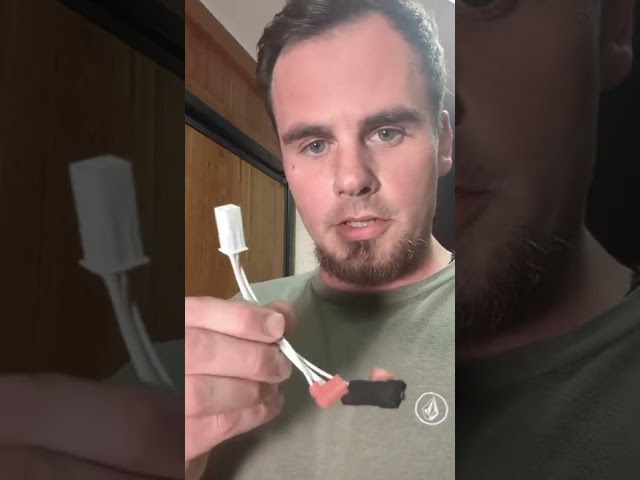
Youtube Video:
Quick Wiring Specifications & Terminal Guide
| Component / Circuit | Standard Wire Gauge | Recommended Protection |
|---|---|---|
| Control & Trigger Signals | 18 – 20 AWG | 5A – 7.5A Inline Fuse |
| Standard Auxiliary Load | 14 – 16 AWG | 15A – 20A Circuit Breaker |
| Main Power Feed / Supply | 10 – 12 AWG | 30A – 40A Heavy-Duty Relay |
Images References
Looking for more diagnostic guides? Explore our complete Refrigerator Problems 4 section for step-by-step troubleshooting solutions.
