Introduction
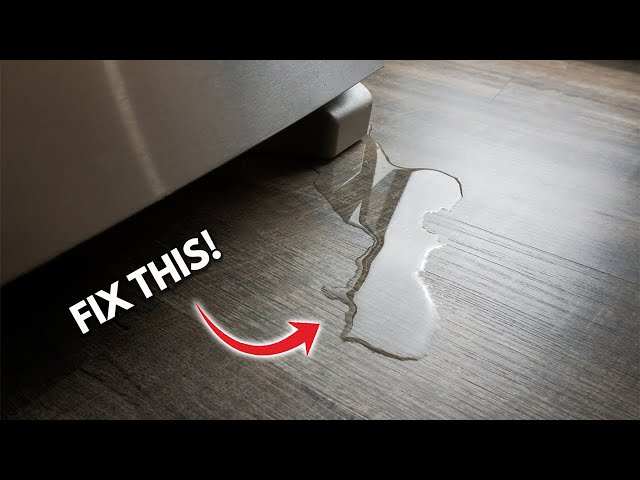
Finding a puddle of water near your fridge freezer can be alarming. Its a common problem that many homeowners face, and while it might seem serious, often the cause is something simple that you can fix yourself. A leaking fridge freezer can damage your flooring, encourage mold growth, and waste energy. Addressing the issue quickly is important to prevent further damage and keep your appliance running efficiently.
Common Causes of My Fridge Freezer is Leaking Water
Here are some of the most common reasons why your fridge freezer might be leaking water:
- Clogged Defrost Drain: This is the most frequent culprit. The drain carries water from the defrost cycle to a pan where it evaporates. If blocked, water overflows inside the fridge.
- Frozen Defrost Drain: Similar to a clog, ice buildup can prevent water from draining properly.
- Faulty Defrost System: If the defrost heater isn’t working correctly, ice can build up excessively, eventually melting and overflowing.
- Door Seal Issues: A worn or damaged door seal allows warm air to enter the fridge, causing condensation and excess water.
- Overfilled Ice Maker: If the ice maker is malfunctioning, it might produce too much ice, which can then melt and leak.
- Water Line Problems: If your fridge has a water dispenser or ice maker, a leak in the water line can cause water to accumulate.
- Damaged Drain Pan: The drain pan under the fridge that collects defrost water may be cracked or damaged.
- Incorrect Temperature Settings: Setting the temperature too low can cause excessive ice buildup, leading to leaks when it melts.
Symptoms Checklist
Look for these signs to confirm if your fridge freezer is leaking water:
- Puddle of water on the floor near the fridge.
- Ice buildup inside the freezer compartment.
- Water dripping from the ceiling of the fridge compartment.
- Unusual noises coming from the fridge (e.g., gurgling).
- Food spoiling faster than usual.
- Water stains or dampness behind or beneath the refrigerator.
How to Fix My Fridge Freezer is Leaking Water Step-by-Step Guide
Follow these steps to troubleshoot and fix a leaking fridge freezer:
- Unplug the Fridge: Safety first! Disconnect the fridge from the power outlet before starting any repairs.
- Locate the Defrost Drain: This is usually located at the back of the freezer compartment, often behind a panel. Consult your fridge’s manual for the exact location.
- Melt Ice Buildup (if any): If the drain is frozen, use a hairdryer on a low setting to gently melt the ice. Do not use sharp objects.
- Clear the Drain Clog: Use a turkey baster, syringe, or long, flexible object (like a pipe cleaner or a straightened coat hanger) to flush the drain with warm water. Repeat until the water drains freely.
- Check the Door Seals: Inspect the door seals for cracks, tears, or gaps. Clean the seals with warm, soapy water to remove any debris.
- Examine the Water Line (if applicable): If your fridge has a water dispenser or ice maker, check the water line for leaks. Tighten any loose connections.
- Inspect the Drain Pan: Locate the drain pan at the bottom of the fridge (usually accessible from the front or back). Check for cracks or damage. Empty the pan if it’s full.
- Adjust Temperature Settings: Ensure the refrigerator and freezer temperatures are set correctly. Recommended settings are typically around 37F (3C) for the fridge and 0F (-18C) for the freezer.
- Check the Ice Maker: If you have an ice maker, make sure it isnt overfilling or malfunctioning. Turn it off temporarily to see if the leaking stops.
- Reassemble Components: If you removed any panels to access the drain or other parts, carefully reassemble them.
- Plug the Fridge Back In: Once everything is dry and reassembled, plug the fridge back into the power outlet.
- Monitor for Leaks: Keep an eye on the fridge for the next 24-48 hours to see if the leaking has stopped.
Fix the Issue Without Buying Parts
Here are some free methods to address the leaking issue:
- Reset the Fridge: Unplug the fridge for 10-15 minutes and then plug it back in. This can sometimes reset the defrost cycle.
- Thorough Cleaning: Clean the interior of the fridge and freezer regularly to prevent food debris from clogging the drain.
- Recalibration: If you suspect the temperature settings are off, consult your fridge’s manual for instructions on how to recalibrate them.
- Regular Inspection: Check the door seals and drain pan periodically for any signs of damage or wear.
- Ensure Proper Airflow: Don’t overfill your fridge or freezer, as this can obstruct airflow and lead to ice buildup.
When Replacement Might Be Necessary
If youve tried all the troubleshooting steps and the fridge freezer is still leaking, it might be a sign of a more serious problem. A faulty defrost heater (costing around $50-$100), a malfunctioning control board ($100-$200), or a damaged evaporator coil ($150-$300) could be the cause. These repairs often require a professional technician. If the fridge is old or the repairs are too costly, replacing the appliance might be the most practical solution. Budget for $500-$2000 for a new fridge freezer, depending on the size and features.
Safety Warning
- Always unplug the fridge before performing any repairs.
- Be careful when using a hairdryer to melt ice; avoid overheating any components.
- Wipe up any spilled water immediately to prevent slips and falls.
- Do not touch electrical components with wet hands.
- If you are uncomfortable with any of these steps, contact a qualified appliance repair technician.
Tools You May Need
- Screwdriver (Phillips and flathead)
- Turkey baster or syringe
- Pipe cleaner or straightened coat hanger
- Warm water
- Hairdryer (optional)
- Towels
FAQ
Here are some frequently asked questions about leaking fridge freezers:
- Q: Why is my fridge leaking even after I cleared the drain? A: There might be residual ice buildup or a crack in the drain pan. Double-check these areas.
- Q: How often should I clean the defrost drain? A: It’s a good idea to clean the defrost drain every 6 months to prevent clogs.
- Q: Can a faulty door seal cause a leak? A: Yes, a damaged door seal can lead to condensation and water accumulation.
- Q: Is it safe to use bleach to clean the defrost drain? A: Avoid using harsh chemicals like bleach, as they can damage the drain components. Warm water is usually sufficient.
- Q: My fridge is leaking and making a buzzing noise. What does that mean? A: A buzzing noise can indicate a problem with the compressor or another electrical component. Contact a qualified technician immediately.
Conclusion
A leaking fridge freezer can be a nuisance, but with a little troubleshooting, you can often resolve the issue yourself. By following these steps, you can identify the cause of the leak and implement the necessary repairs. Remember to prioritize safety and take your time. If you’re unsure about any step or the problem persists, don’t hesitate to call a qualified appliance repair technician. Taking a DIY approach first can often save you time and money!
Youtube Video:
Looking for more useful options?
Check out recommended resources that others find helpful.