Introduction
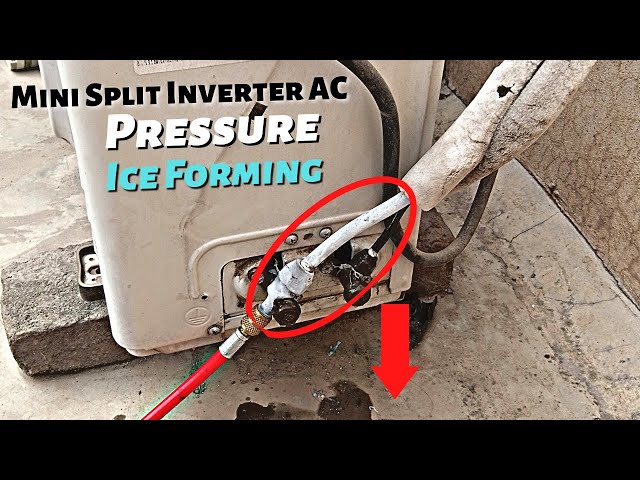
Seeing your mini split’s outside unit (also called the condenser) covered in ice can be alarming. When this happens, it means the unit isn’t working efficiently and might even stop cooling your home. This freezing usually occurs during colder weather when humidity is high. While it might seem like a minor issue, ignoring it can lead to reduced performance, higher energy bills, and even damage to your system. Addressing the problem quickly is essential to get your mini split back in good working order and prevent further complications.
Common Causes of Mini Split Outside Unit Freezing Up
Several factors can contribute to a mini split outside unit freezing up. Here are some of the most common:
- Low Refrigerant Levels: Refrigerant is the fluid that absorbs and releases heat. If it’s low, the unit can’t properly regulate temperature, leading to freezing.
- Dirty Air Filter: A clogged filter restricts airflow to the indoor unit, lowering coil temperature and causing ice formation outside.
- Blocked Airflow: Obstructions around the outside unit (bushes, snow, debris) restrict airflow, causing the refrigerant to become too cold.
- Low Outdoor Temperatures: Mini splits are designed to operate within a specific temperature range. Extremely cold temperatures can cause the unit to freeze, especially if humidity is high.
- Dirty Outdoor Coil: Dirt, leaves, and debris on the outdoor coil impede heat transfer, which can lead to ice buildup.
- Faulty Fan Motor: If the fan motor isn’t working properly, the unit won’t be able to dissipate heat efficiently, resulting in freezing.
- Refrigerant Leaks: Even a small refrigerant leak can reduce system performance and cause the coil to freeze.
- Defrost Malfunction: The defrost cycle is meant to melt ice buildup. If it’s malfunctioning, ice will accumulate.
Symptoms Checklist
Look out for these indicators that your mini split outside unit is freezing up:
- Visible ice or frost on the outside unit.
- Reduced or no cooling from the indoor unit.
- Unusual noises coming from the outside unit.
- Higher than usual energy bills.
- The system cycles on and off frequently.
- Water dripping from the indoor unit (may indicate melting ice from the outside unit backing up).
How to Fix Mini Split Outside Unit Freezing Up Step-by-Step Guide
Here’s a step-by-step guide to troubleshoot and potentially fix the issue:
- Turn Off the System: Completely power down the mini split system at the breaker to avoid electrical hazards during inspection and cleaning.
- Inspect the Air Filter (Indoor Unit): Remove the air filter from the indoor unit. If it’s dirty, wash it with mild soap and water or replace it with a new one. Ensure it’s completely dry before reinstalling.
- Clear Obstructions (Outdoor Unit): Remove any bushes, snow, ice, or debris from around the outside unit to allow for adequate airflow. Allow for at least 2 feet of clearance.
- Melt the Ice: If the unit is heavily iced over, you can carefully melt the ice using warm water from a hose or bucket. Do not use sharp objects to chip away the ice, as you could damage the coils.
- Inspect the Outdoor Coil: Examine the outdoor coil for dirt and debris. Use a soft brush attachment on a vacuum cleaner to gently remove any buildup. Avoid bending the fins.
- Check the Fan: Ensure the fan blades on the outdoor unit are free from obstructions and can spin freely. If they are stuck, carefully remove any debris and try spinning them gently.
- Power On and Observe: After cleaning and clearing obstructions, turn the system back on and set it to cool mode. Observe the outside unit for about 30 minutes to see if the freezing returns.
- Adjust Temperature Settings: If the outside temperature is very low, consider raising the thermostat setting slightly to prevent the system from working too hard and freezing up.
- Check for Air Leaks: Examine the seals around the indoor unit and any ductwork for potential air leaks. Seal any leaks with appropriate weather stripping or duct tape.
- Test Defrost Cycle (If Applicable): Some mini splits have a manual defrost cycle. Consult your user manual to see how to activate it. Observe if the cycle runs and melts the ice.
- Monitor Performance: After making these adjustments, monitor the system’s performance over the next few days. Pay attention to whether the unit is cooling effectively and if ice is forming again.
- Document Any Issues: If you still experience freezing, note any specific patterns or conditions that seem to trigger the problem. This information will be helpful for a technician.
Fix the Issue Without Buying Parts
Often, simple maintenance can resolve the issue without needing new parts:
- Reset the System: Turn off the breaker for a few minutes, then turn it back on. This can sometimes reset the system and resolve minor issues.
- Regular Cleaning: Regularly clean the air filter (every 1-3 months) and the outdoor unit (twice a year) to prevent buildup and ensure proper airflow.
- Visual Inspection: Regularly inspect the outside unit for any signs of damage, debris, or obstructions.
- Maintenance Schedule: Stick to a regular maintenance schedule, even if the system seems to be working fine. This can help prevent future problems.
When Replacement Might Be Necessary
In some cases, the freezing issue might indicate a more serious problem that requires professional attention and potentially part replacement. If you suspect a refrigerant leak or a faulty component, it’s best to consult a qualified HVAC technician. Here are some components that might need replacement:
- Fan Motor: (Estimated cost: $150 – $400)
- Refrigerant Lines: (Cost depends on the length and complexity of the repair)
- Defrost Control Board: (Estimated cost: $200 – $500)
A full system replacement can cost anywhere from $2,000 to $7,000, depending on the size and complexity of the system.
Safety Warning
- Always turn off the power to the unit at the breaker before attempting any cleaning or maintenance.
- Avoid touching any electrical components.
- Do not use sharp objects to remove ice from the unit, as this could damage the coils.
- If you are not comfortable working with electrical appliances, contact a qualified HVAC technician.
- If using water to melt ice, ensure that the surrounding area is not slippery.
Tools You May Need
- Screwdriver (Phillips and flathead)
- Soft brush or vacuum cleaner with brush attachment
- Garden hose or bucket of warm water
- Air filter cleaner
- Work gloves
FAQ
Here are some frequently asked questions about mini split freezing issues:
- Q: Why is my mini split freezing up even when it’s not that cold outside? A: The problem is likely due to low refrigerant levels, a dirty air filter, or poor airflow around the unit.
- Q: How often should I clean the air filter? A: Clean the air filter every 1-3 months, or more often if you have pets or allergies.
- Q: Can I use a pressure washer to clean the outside unit? A: No, a pressure washer can damage the delicate fins on the outdoor coil. Use a soft brush and vacuum cleaner instead.
- Q: Is it normal for the mini split to make a hissing noise when defrosting? A: Yes, a hissing noise is normal during the defrost cycle as the refrigerant reverses to melt the ice.
- Q: How do I know if my mini split has a refrigerant leak? A: Signs of a refrigerant leak include reduced cooling performance, ice buildup on the coils, and a hissing noise. Contact a professional to diagnose and repair the leak.
Conclusion
Troubleshooting a frozen mini split outside unit can seem daunting, but by following these steps, you can often resolve the issue yourself. Remember to prioritize safety and take your time. If you’ve tried these solutions and the problem persists, it’s best to call a qualified HVAC technician. By addressing the problem quickly, you can keep your mini split running efficiently and comfortably for years to come.
Youtube Video:
Looking for more useful options?
Check out recommended resources that others find helpful.