Introduction
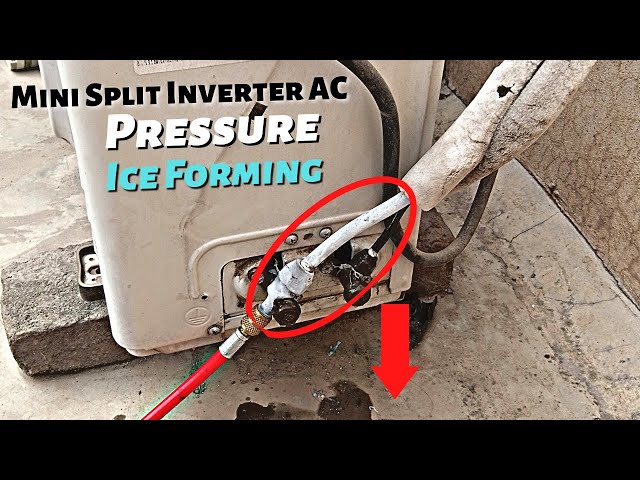
A mini split outdoor unit freezing up is a common issue, especially during colder months when the system is used for heating. It happens when moisture in the air condenses on the coils of the outdoor unit and freezes. This ice buildup can severely reduce the unit’s efficiency, potentially damage its components, and even stop it from working altogether. Ignoring this problem can lead to more expensive repairs down the road, so it’s important to address it quickly.
Common Causes of mini split outdoor unit freezing up
Here are some common reasons why your mini split outdoor unit might be freezing up:
- Low Refrigerant Levels: Not enough refrigerant reduces the coil temperature, leading to ice formation.
- Dirty Air Filter: A clogged filter restricts airflow, causing the indoor coil to get too cold and eventually freeze the outdoor unit.
- Blocked Outdoor Unit: Debris like leaves, snow, or ice around the outdoor unit can prevent proper airflow.
- Low Ambient Temperature: If the outside temperature is extremely low, the unit may struggle to defrost itself efficiently.
- Defrost Cycle Malfunction: The defrost cycle might not be working correctly, preventing the unit from melting the ice buildup.
- Faulty Fan Motor: A failing fan motor in the outdoor unit reduces airflow over the coils.
- Dirty Coils: Dirt and grime on the outdoor coils insulate the coils and promote ice formation.
- Restricted Airflow: Blocked vents or closed registers inside the house can reduce airflow and lead to freezing.
Symptoms Checklist
Check for these signs to confirm if your mini split is freezing up:
- Visible ice buildup on the outdoor unit’s coils or fan.
- Reduced heating or cooling performance.
- The unit is running constantly without reaching the desired temperature.
- Unusual noises coming from the outdoor unit.
- Water dripping inside the house from the indoor unit.
How to Fix mini split outdoor unit freezing up Step-by-Step Guide
Follow these steps to troubleshoot and address the issue:
- Turn Off the Unit: Switch off the mini split system at the thermostat and the breaker to prevent further damage.
- Inspect the Air Filter: Check the indoor unit’s air filter. If it’s dirty, replace it with a new one.
- Clear Obstructions: Remove any leaves, snow, ice, or other debris around the outdoor unit to ensure proper airflow.
- Melt the Ice: Use a garden hose with lukewarm water to gently melt the ice on the outdoor unit. Avoid using hot water or sharp objects that could damage the coils.
- Check Airflow: Make sure all vents and registers inside your house are open and unobstructed.
- Wait and Restart: After melting the ice, wait a few hours to allow any remaining moisture to evaporate. Then, turn the unit back on and see if it works properly.
- Monitor the Unit: Observe the outdoor unit for several hours to see if ice begins to build up again.
- Check the Fan: Ensure the outdoor unit fan is spinning freely. If it’s not, or if it’s making unusual noises, it may need professional attention.
- Test Defrost Cycle (if applicable): Some units have a manual defrost cycle you can initiate. Consult your owner’s manual for instructions.
- Clean the Outdoor Coils: Use a fin comb to straighten any bent fins on the outdoor unit’s coils. Then, gently clean the coils with a soft brush and a mild detergent solution. Rinse thoroughly.
- Run in Fan-Only Mode: If possible, run the indoor unit in fan-only mode for a few hours to help dry out the system.
- Check for Leaks: Visually inspect the refrigerant lines for any signs of leaks (oil residue). If you suspect a leak, call a professional.
- Document the Issue: Take notes on when the freezing occurs (time of day, temperature) to help a technician diagnose the problem if needed.
Fix the Issue Without Buying Parts
Before you consider replacing parts, try these free methods:
- Reset the System: Turn off the breaker for a few minutes, then turn it back on. This can sometimes reset the system’s controls.
- Thorough Cleaning: Regularly clean the air filter and outdoor unit coils.
- Inspect for Airflow Blockages: Ensure nothing is blocking the airflow inside or outside the house.
- Check for Software Updates: Some newer mini split models can be updated. Check manufacturers website for latest version.
When Replacement Might Be Necessary
If the above steps don’t resolve the freezing issue, it might indicate a more serious problem, such as a refrigerant leak or a faulty component. Refrigerant leaks require professional repair, but if the compressor is failing or if the cost of repairs exceeds half the cost of a new unit, replacement might be the best option. Expect to pay between $800 and $4,000 for a new mini split system, including installation. Common parts that might need replacement are the compressor, the fan motor, or the control board.
Safety Warning
- Always turn off the power to the unit before performing any maintenance or repairs.
- Avoid using sharp objects to remove ice from the coils.
- Do not attempt to repair refrigerant leaks yourself. Refrigerant is harmful and requires special handling.
- Be careful when working around electrical components.
- If you are uncomfortable performing any of these steps, contact a qualified HVAC technician.
Tools You May Need
- Screwdriver (Phillips and flathead)
- Adjustable wrench
- Fin comb
- Soft brush
- Garden hose
- Mild detergent
- Clean rag
- Multimeter (for testing electrical components advanced users only)
FAQ
Here are some common questions about mini split freezing issues:
- Q: Why is my mini split freezing up even when it’s not that cold outside? A: Low refrigerant levels or restricted airflow are common causes.
- Q: How often should I clean my mini split’s air filter? A: At least every month, or more often if you have pets or allergies.
- Q: Can I use a pressure washer to clean the outdoor unit coils? A: No, a pressure washer can damage the coils. Use a gentle spray from a garden hose.
- Q: How do I know if my mini split has a refrigerant leak? A: Look for oil residue on the refrigerant lines or a noticeable decrease in cooling/heating performance. Contact a professional.
Conclusion
Addressing a freezing mini split outdoor unit promptly can save you money and extend the life of your system. By following these troubleshooting steps, you can often resolve the issue yourself. However, if the problem persists or you’re uncomfortable performing the repairs, don’t hesitate to call a qualified HVAC technician. Starting with DIY checks is always a great first step.
Youtube Video:
Looking for more useful options?
Check out recommended resources that others find helpful.