Introduction
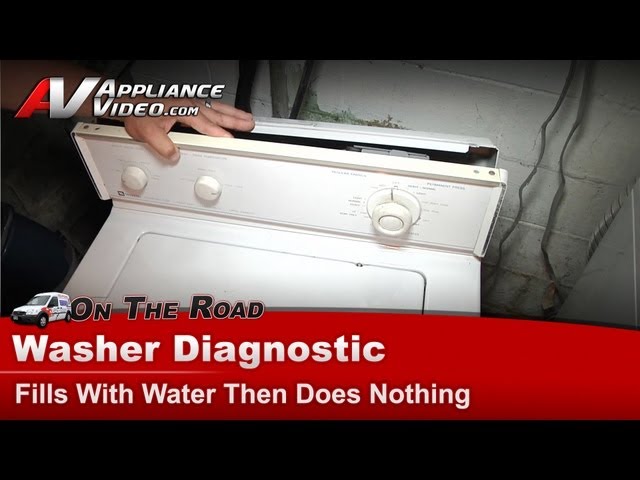
A washing machine that stops filling with water mid-cycle is a frustrating problem. Not only does it prevent you from washing your clothes, but it can also be a sign of a larger issue brewing within your appliance. This problem is common with Maytag washers and can occur at any point during the wash cycle. Addressing this issue promptly can prevent further damage and potentially save you from costly repairs. Don’t ignore this problem; let’s find a solution together!
Common Causes of Maytag Washer Fills With Water Then Stops
Here are some of the most common reasons your Maytag washer might be stopping mid-fill:
- Clogged Inlet Hoses: The hoses that bring water into your washer can become clogged with sediment and debris over time.
- Faulty Water Inlet Valve: This valve controls the flow of water into the washer. If it’s malfunctioning, it might shut off prematurely.
- Low Water Pressure: Insufficient water pressure in your home can cause the washer to stop filling.
- Problematic Water Level Sensor: The water level sensor tells the washer when to stop filling. A faulty sensor might signal the washer to stop too soon.
- Blocked Drain Hose: Although it seems counterintuitive, a blocked drain hose can sometimes cause the washer to stop filling because the system detects a problem with drainage.
- Kinked or Twisted Hoses: A kinked or twisted inlet or drain hose can restrict water flow and trigger the problem.
- Defective Lid Switch: Some Maytag washers have a lid switch that needs to be engaged for the washer to operate. If it’s faulty, the washer may stop filling.
- Control Board Malfunction: In rare cases, a problem with the washer’s control board can cause it to stop filling with water.
Symptoms Checklist
Use this checklist to help pinpoint the problem:
- Washer starts filling, then stops abruptly.
- The water level in the tub is lower than usual.
- You hear a buzzing or clicking sound coming from the water inlet valve.
- The washer displays an error code related to water fill or pressure.
- The inlet hoses are cold to the touch, but no water is flowing.
- Other cycles work fine, except for the fill stage.
How to Fix Maytag Washer Fills With Water Then Stops Step-by-Step Guide
Follow these steps to troubleshoot the issue:
- Turn off the Washer: Unplug the washer from the power outlet for safety.
- Check Water Supply: Make sure both the hot and cold water supply valves are fully open.
- Inspect Inlet Hoses: Disconnect the inlet hoses from the back of the washer. Check for kinks, twists, or damage. Straighten any kinks and replace damaged hoses.
- Clean Inlet Hoses: Flush the inlet hoses with water to remove any sediment or debris. You can use a garden hose to do this.
- Check Inlet Valve Screens: Locate the small screens at the inlet valve connections on the back of the washer. Use pliers to carefully remove them and clean them under running water with an old toothbrush.
- Inspect the Water Inlet Valve: Reconnect the inlet hoses. Turn on the water supply valves slightly. Observe the inlet valve for any leaks or damage.
- Check Water Pressure: Test the water pressure in your home. You can do this by attaching a pressure gauge to an outdoor faucet. Adequate water pressure is usually between 40 and 60 PSI.
- Check the Drain Hose: Ensure the drain hose is not kinked, clogged, or pushed too far into the drainpipe. It should have an air gap to prevent siphoning.
- Check the Lid Switch: On some models, you can visually inspect the lid switch to ensure it’s not broken or damaged. Try gently pressing the switch to see if it clicks. Important: Do not bypass the lid switch for safety reasons.
- Reset the Washer: Plug the washer back into the power outlet. Some washers have a reset button. Check your owner’s manual for instructions on how to reset your specific model. Often, unplugging for 1-2 minutes and plugging back in works.
- Run a Test Cycle: Select a small wash cycle and observe if the washer fills correctly.
- Check Water Level Sensor Hose (If Accessible): Some machines have a small hose connected to the water level sensor. Ensure it’s not kinked or disconnected.
Fix the Issue Without Buying Parts
Before considering any replacements, try these free methods:
- Washer Reset: As mentioned above, try unplugging the washer for a few minutes to reset the electronic controls.
- Thorough Cleaning: Run an empty wash cycle with a washing machine cleaner to remove any buildup inside the drum and hoses.
- Visual Inspection: Carefully inspect all hoses, connections, and the area around the washer for leaks or damage.
- Maintenance Basics: Regularly clean the lint filter and wipe down the washer’s exterior to prevent problems from developing.
When Replacement Might Be Necessary
If you’ve tried all the troubleshooting steps and the washer still stops filling with water, you might need to consider replacing a part. The most common culprits are the water inlet valve (estimated cost: $30 – $75 USD) and the water level sensor (estimated cost: $20 – $50 USD). In rare cases, the control board may be the issue, but this is usually a last resort (estimated cost: $100 – $250 USD). If replacing these parts does not resolve the issue, consider contacting a qualified appliance repair technician.
Safety Warning
- Always unplug the washer from the power outlet before performing any troubleshooting or repairs.
- Be careful when working with water and electricity to avoid electric shock.
- Clean up any spills immediately to prevent slips and falls.
- Do not bypass any safety features, such as the lid switch.
Tools You May Need
- Pliers
- Screwdrivers (Phillips and flathead)
- Adjustable wrench
- Bucket
- Old toothbrush
- Pressure gauge (optional)
FAQ
Here are some frequently asked questions:
-
Q: Why is my washer stopping after only a little bit of water fills in?
A: This is commonly due to low water pressure or a clogged inlet valve.
-
Q: How do I know if my water inlet valve is bad?
A: If you hear a buzzing sound but no water is flowing, or if the valve is leaking, it’s likely faulty.
-
Q: Can I replace the water inlet valve myself?
A: Yes, it’s a relatively straightforward repair, but make sure to turn off the water supply and unplug the washer first.
-
Q: How often should I clean my washer’s inlet hoses?
A: It’s a good practice to clean them every 6-12 months to prevent clogs.
Conclusion
Troubleshooting a Maytag washer that stops filling with water can seem daunting, but by following these steps, you can often identify and resolve the issue yourself. Remember to prioritize safety and start with the simplest solutions first. If you’ve exhausted all your options and are still experiencing problems, don’t hesitate to contact a qualified appliance repair technician for assistance. Your effort in attempting DIY solutions first can save you money. Good luck!
Youtube Video:
Looking for more useful options?
Check out recommended resources that others find helpful.