
Introduction
A loud air conditioner sound can be more than just annoying; it can indicate a serious problem with your unit. Ignoring unusual noises can lead to further damage and costly repairs. Whether it’s a rattling, buzzing, banging, or hissing sound, identifying the type of noise is the first step to solving the problem. Addressing these sounds promptly is important for maintaining your AC’s efficiency and preventing a complete breakdown, especially during hot weather.
💡 Technical Key Takeaways:
- Core Focus: Diagnostic schematic and terminal connection layout for Loud Air Conditioner Sound.
- Target Scope: Field technicians, automotive DIYers, and residential/commercial electricians.
- Safety Rule: Always disconnect the primary power source/battery terminal and verify zero voltage with a multimeter before touching wires.
Common Causes of Loud Air Conditioner Sound
Here are some common reasons why your air conditioner might be making loud noises:
- Loose Fan Blades: A loose fan blade can rattle or vibrate, causing a noticeable noise.
- Debris in the Unit: Leaves, twigs, or other debris can get sucked into the outdoor unit and cause banging or rattling sounds.
- Worn-Out Motor Bearings: The motor that powers the fan has bearings that can wear out over time, leading to a grinding or screeching noise.
- Refrigerant Leaks: A hissing sound could indicate a refrigerant leak, which is a serious issue.
- Loose Components: Screws or other components inside the unit can loosen over time, causing rattling sounds.
- Dirty Air Filter: A clogged air filter can restrict airflow, causing the unit to work harder and potentially make more noise.
- Compressor Issues: The compressor is a vital component, and problems with it can cause loud buzzing or humming sounds.
- Ductwork Problems: Issues within the ductwork of your HVAC system can also create sounds if not properly sealed or has leaks.
Symptoms Checklist
Use this checklist to help pinpoint the source of the loud noise:
- Rattling: Loose parts, debris in the unit, or loose fan blades.
- Buzzing: Electrical issues, loose components, or compressor problems.
- Banging: Unbalanced fan blades or compressor issues.
- Hissing: Refrigerant leak.
- Grinding/Screeching: Worn-out motor bearings.
- Humming: Compressor struggling or electrical issues.
- Increased Energy Bills: Accompanied by unusual noise, indicating reduced efficiency.
How to Fix Loud Air Conditioner Sound Step-by-Step Guide
Here’s how you can troubleshoot and potentially fix the issue:
- Turn Off the AC: Before you start, switch off the air conditioner at the thermostat and turn off the breaker for the outdoor unit for safety.
- Inspect the Outdoor Unit: Visually check the outdoor unit for any obvious signs of damage or debris.
- Clean the Outdoor Unit: Remove any leaves, twigs, or other debris from inside the unit. A vacuum cleaner or garden hose (with gentle pressure) can be helpful.
- Check the Fan Blades: Ensure the fan blades are not loose or bent. Tighten any loose screws.
- Inspect the Air Filter: Remove and inspect the air filter in your indoor unit. If it’s dirty, replace it with a new one.
- Listen Carefully: Turn the AC back on (carefully!) and listen closely to the type of noise. Where is the sound coming from?
- Check for Loose Panels: Look for any loose panels or covers on the indoor and outdoor units and tighten them.
- Inspect Ductwork (Visually): Look around vents for damaged or loose ducts or vent covers.
- Lubricate Motor (If Applicable): Some older units have oil ports for the fan motor. If yours does, add a few drops of electric motor oil to the ports (refer to your owner’s manual).
- Check for Ice Buildup: Look for ice on the refrigerant lines or the evaporator coil, which could indicate a refrigerant leak or airflow problem.
- Reset the Unit: Turn off the breaker for 30 minutes then turn it back on. This can sometimes reset the system and resolve minor issues.
- Listen Again: After trying the above steps, turn the AC back on and listen to see if the noise is reduced or eliminated.
- Document the Noise: If the noise persists, record it with your phone. This will be helpful for a technician.
Fix the Issue Without Buying Parts
Many loud AC sounds can be resolved without immediately buying replacement parts:
- Cleaning: Regularly clean the outdoor unit and replace the air filter to improve airflow and reduce strain on the system.
- Tightening: Inspect and tighten any loose screws, panels, or components.
- Maintenance: A seasonal cleaning and visual inspection of your system can prevent many issues.
- Resetting: Power cycling the system can clear temporary errors.
When Replacement Might Be Necessary
If the noise persists after troubleshooting, some components may need replacement. Here are a few examples:
- Fan Motor: A worn-out fan motor can cause grinding or screeching noises. Expect to pay $150-$400 for a replacement.
- Compressor: A failing compressor can cause loud buzzing or humming. This is a major repair, costing $800-$2500.
- Capacitor: A bad capacitor can lead to buzzing noises. Replacement cost is generally $50-$200.
Safety Warning
Keep safety in mind when working on your AC unit:
- Turn off the power: Always disconnect the power to the unit before attempting any repairs.
- Avoid wet areas: Do not work on the unit if the area is wet or damp.
- Be careful with sharp objects: Use caution when handling tools and avoid touching any sharp components inside the unit.
- If unsure, call a professional: If you are not comfortable performing any of these steps, it is best to call a qualified HVAC technician.
Tools You May Need
Here’s a basic list of tools that might be helpful:
- Screwdriver (Phillips and flathead)
- Wrench set
- Vacuum cleaner
- Garden hose (with gentle spray nozzle)
- Work gloves
- Safety glasses
FAQ
Here are some common questions and answers about loud AC noises:
- Q: Why is my AC making a rattling sound? A: It could be due to loose parts, debris in the unit, or loose fan blades.
- Q: What does a hissing sound indicate? A: A hissing sound usually indicates a refrigerant leak, which needs professional attention.
- Q: Can a dirty air filter cause loud noises? A: Yes, a clogged air filter restricts airflow, causing the unit to work harder and potentially make more noise.
- Q: When should I call a professional? A: If you are not comfortable troubleshooting the issue yourself, or if the noise persists after trying the above steps, it’s best to call a qualified HVAC technician.
Conclusion
Addressing a loud air conditioner sound promptly can prevent further damage and save you money. Start with these simple troubleshooting steps, and you may be able to resolve the issue yourself. If you’re unsure or the problem persists, don’t hesitate to call a professional HVAC technician. Taking action now can keep your AC running efficiently and keep you comfortable all season long.
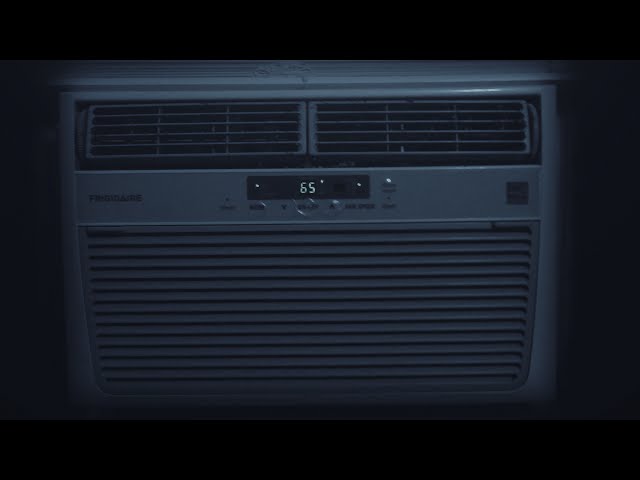
Youtube Video:
Quick Wiring Specifications & Terminal Guide
| Component / Circuit | Standard Wire Gauge | Recommended Protection |
|---|---|---|
| Control & Trigger Signals | 18 – 20 AWG | 5A – 7.5A Inline Fuse |
| Standard Auxiliary Load | 14 – 16 AWG | 15A – 20A Circuit Breaker |
| Main Power Feed / Supply | 10 – 12 AWG | 30A – 40A Heavy-Duty Relay |
Images References
Looking for more diagnostic guides? Explore our complete Air Conditioner Troubleshooting 5 section for step-by-step troubleshooting solutions.
