
Introduction
Is your LG refrigerator making a rattling noise? It can be annoying and concerning, but often, the problem is something you can fix yourself. This guide helps you identify the cause and provides step-by-step instructions to resolve the rattling. Ignoring the noise could lead to bigger problems down the road, so it’s best to address it as soon as possible.
💡 Technical Key Takeaways:
- Core Focus: Diagnostic schematic and terminal connection layout for Lg Refrigerator Rattling Noise.
- Target Scope: Field technicians, automotive DIYers, and residential/commercial electricians.
- Safety Rule: Always disconnect the primary power source/battery terminal and verify zero voltage with a multimeter before touching wires.
Common Causes of LG Refrigerator Rattling Noise
Here are some common reasons why your LG refrigerator might be making a rattling noise:
- Ice Maker Issues: Ice buildup, loose ice cubes, or a malfunctioning ice maker can cause rattling.
- Defrost Fan: The defrost fan, located near the freezer coils, can rattle if it’s hitting ice or debris.
- Condenser Fan: This fan cools the compressor. If obstructed or failing, it may rattle.
- Water Line: A loose water line vibrating against the refrigerator cabinet can create a rattling sound.
- Compressor: While usually a humming sound, a struggling compressor can sometimes produce a rattling noise.
- Dampers: These control airflow between the freezer and refrigerator compartments. A loose damper can rattle.
- Loose Components: Shelves, drawers, or even the refrigerator itself being uneven can cause rattling.
- Drain Pan: The drain pan under the refrigerator can rattle if it’s not properly seated or has collected debris.
Symptoms Checklist
Use this checklist to help pinpoint the cause of the rattling:
- The noise is loudest at the back of the refrigerator.
- The noise is more pronounced when the ice maker is running.
- The noise changes when the refrigerator cycles on and off.
- The freezer seems colder or warmer than usual.
- You notice ice buildup in the freezer.
- The refrigerator is not level on the floor.
- The rattling started after moving the refrigerator.
How to Fix LG Refrigerator Rattling Noise Step-by-Step Guide
- Unplug the Refrigerator: Always unplug the refrigerator from the power outlet before starting any troubleshooting.
- Check the Ice Maker: Remove the ice bin and inspect the ice maker for any ice buildup or loose parts. Clear any ice jams manually.
- Inspect the Defrost Fan: Locate the defrost fan (usually behind a panel in the freezer). Check for ice buildup or obstructions. Carefully remove any ice.
- Check the Condenser Fan: The condenser fan is located at the back of the refrigerator, near the bottom. Inspect the fan blades for obstructions. Clean them if necessary.
- Examine the Water Line: Make sure the water line (if your refrigerator has one) is securely attached and not vibrating against the cabinet. Secure it with tape or a clip if necessary.
- Level the Refrigerator: Use a level to ensure the refrigerator is sitting evenly on the floor. Adjust the leveling feet at the bottom of the refrigerator until it’s level.
- Tighten Loose Components: Check all shelves, drawers, and panels for any looseness. Tighten any screws or clips as needed.
- Check the Drain Pan: Locate the drain pan (usually at the bottom of the refrigerator) and ensure it’s properly seated. Clean out any debris or water.
- Clean the Condenser Coils: Dust and debris on the condenser coils can cause the compressor to work harder, potentially leading to rattling. Vacuum the coils regularly.
- Listen to the Compressor: Carefully listen to the compressor (usually located at the bottom of the refrigerator). While it normally hums, a loud rattling sound could indicate a more serious issue.
- Check the Dampers: Open the freezer and refrigerator doors. Look for dampers that control airflow. Make sure they are not loose or obstructed.
- Test the Defrost System: If ice buildup is a recurring problem, the defrost system might be malfunctioning. Consult your owner’s manual for testing instructions (or consider contacting a technician).
- Inspect the Internal Fan (if applicable): Some LG refrigerators have an internal fan in the refrigerator compartment. If yours does, check if it is clear of any obstructions.
Fix the Issue Without Buying Parts
Many rattling noises can be resolved without replacing any parts:
- Reset the Refrigerator: Unplug the refrigerator for 10 minutes and then plug it back in. This can sometimes resolve minor issues.
- Cleaning: Regularly clean the interior and exterior of your refrigerator to prevent debris buildup.
- Inspection: Periodically inspect the components mentioned above to catch potential problems early.
- Maintenance: Keep the condenser coils clean and ensure the refrigerator is level.
When Replacement Might Be Necessary
If the rattling persists after trying the above steps, and it seems to be coming from the compressor itself, or if a failing defrost system is the culprit, replacement might be necessary. Replacing a compressor can cost between $300-$700, including labor. Defrost heaters can cost between $50-$150 plus labor if you don’t do it yourself. Components like fans and ice makers can range from $100 to $300. Consider the age and overall condition of your refrigerator before investing in major repairs. For more related activities, check out our No Frost Fridge Leaking Water.
Safety Warning
- Always unplug the refrigerator before working on it.
- Avoid working on the refrigerator with wet hands or on a wet floor.
- Be careful when handling sharp objects or tools.
- If you are not comfortable working on electrical appliances, consult a qualified technician.
Tools You May Need
- Screwdrivers (Phillips and flathead)
- Level
- Vacuum cleaner with hose attachment
- Pliers
- Tape (Duct tape or electrical tape)
- Gloves
FAQ
Q: Why is my refrigerator rattling only at night?A: The rattling might be more noticeable at night because the surrounding environment is quieter.
Q: My refrigerator is making a rattling noise after a power outage. What should I do?A: Try unplugging the refrigerator for 10 minutes and then plugging it back in to reset it.
Q: How often should I clean the condenser coils?A: It’s recommended to clean the condenser coils every 6 months to a year.
Q: The rattling noise is very loud and sudden. Is it an emergency?A: A sudden, loud rattling could indicate a serious problem. Unplug the refrigerator and consult a technician.
Conclusion
Hopefully, this guide has helped you identify and resolve the rattling noise in your LG refrigerator. By following these steps, you can often fix the problem yourself and avoid costly repairs. If the noise persists or you’re uncomfortable working on the refrigerator, it’s always best to consult a qualified technician.
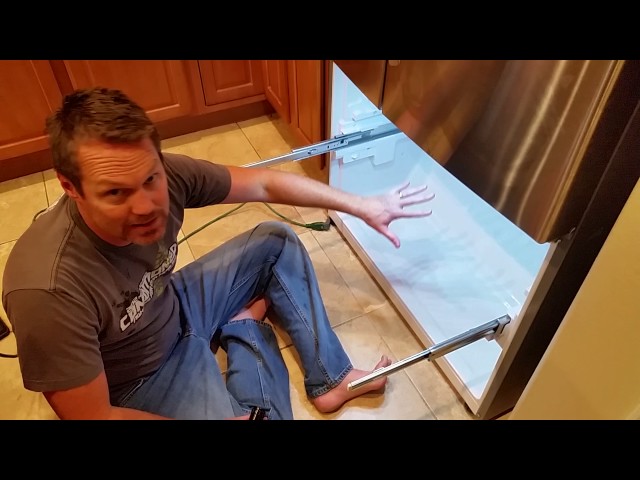
Youtube Video:
Quick Wiring Specifications & Terminal Guide
| Component / Circuit | Standard Wire Gauge | Recommended Protection |
|---|---|---|
| Control & Trigger Signals | 18 – 20 AWG | 5A – 7.5A Inline Fuse |
| Standard Auxiliary Load | 14 – 16 AWG | 15A – 20A Circuit Breaker |
| Main Power Feed / Supply | 10 – 12 AWG | 30A – 40A Heavy-Duty Relay |
Images References
Looking for more diagnostic guides? Explore our complete Refrigerator Problems 4 section for step-by-step troubleshooting solutions.
