
Introduction
A loud humming noise coming from your LG refrigerator can be quite annoying and is often a sign that something isn’t working correctly. This noise usually stems from components that are starting to wear out or are having trouble functioning properly. It’s important to address this issue promptly because ignoring it could lead to bigger problems and potentially shorten the lifespan of your refrigerator. Many times, the humming is intermittent, but persistent noise should definitely be investigated. Fortunately, many causes are easy to troubleshoot and resolve yourself before needing to call a repair technician.
💡 Technical Key Takeaways:
- Core Focus: Diagnostic schematic and terminal connection layout for Lg Refrigerator Making Loud Humming Noise.
- Target Scope: Field technicians, automotive DIYers, and residential/commercial electricians.
- Safety Rule: Always disconnect the primary power source/battery terminal and verify zero voltage with a multimeter before touching wires.
Common Causes of LG Refrigerator Making Loud Humming Noise
Here are some common reasons why your LG refrigerator might be making a loud humming noise:
- Dirty Condenser Coils: Dust and debris can accumulate on the coils, forcing the compressor to work harder, leading to a humming noise.
- Faulty Condenser Fan Motor: This fan helps cool the condenser coils. If the motor is failing, it can produce a loud hum.
- Evaporator Fan Motor Issues: Similar to the condenser fan, a failing evaporator fan motor can cause humming as it circulates air inside the freezer.
- Compressor Problems: The compressor is the heart of the refrigerator. As it ages or encounters issues, it can start humming loudly.
- Icemaker Malfunctions: If the icemaker is trying to fill with water but is blocked or malfunctioning, it can produce a humming sound.
- Water Inlet Valve: This valve controls the water supply to the icemaker and water dispenser. A failing valve can hum or buzz.
- Defrost Timer: If your refrigerator uses a mechanical defrost timer, it might hum as it cycles through defrost modes.
- Loose Components: Sometimes, the refrigerator’s components can become loose, vibrating and creating a humming sound.
- Start Relay/Overload: This component helps start the compressor. If it is failing it may create a humming sound.
Symptoms Checklist
Use this checklist to help identify the specific issue:
- The humming noise is constant.
- The humming noise is intermittent.
- The humming noise is louder than usual.
- The noise seems to be coming from the back of the refrigerator.
- The noise seems to be coming from inside the freezer.
- The refrigerator is not cooling as effectively as it used to.
- The icemaker is not working correctly.
- The noise changes when the refrigerator is opened or closed.
- The back of the fridge feels hot to the touch.
How to Fix LG Refrigerator Making Loud Humming Noise Step-by-Step Guide
- Unplug the Refrigerator: For safety, always unplug the refrigerator before starting any troubleshooting.
- Clean the Condenser Coils: Locate the condenser coils (usually on the back or bottom of the refrigerator). Use a vacuum cleaner with a brush attachment to remove dust and debris.
- Inspect the Condenser Fan: Locate the condenser fan near the compressor. Ensure it’s free of obstructions and spins freely. If not, carefully clean it. If it still doesn’t spin, the motor may be faulty.
- Check the Evaporator Fan: The evaporator fan is located inside the freezer. Check for ice buildup obstructing the fan blades. If iced, manually defrost the freezer. If the fan doesn’t spin freely after defrosting, the motor might be faulty.
- Listen to the Compressor: The compressor is usually at the back of the refrigerator, near the bottom. If the humming seems to be coming directly from the compressor and is excessively loud, it might be failing.
- Inspect the Icemaker: Check if the icemaker is trying to fill with water but is blocked or malfunctioning. Turn off the icemaker to see if the humming stops.
- Check the Water Inlet Valve: Locate the water inlet valve (usually at the back of the refrigerator). Listen closely to it when the icemaker is calling for water. If it’s humming loudly, it may be failing.
- Check the Defrost Timer (if applicable): If your refrigerator has a mechanical defrost timer, listen to it as it cycles. A loud humming from the timer indicates a problem.
- Tighten Loose Components: Check for any loose screws or components on the back or inside the refrigerator. Tighten them if found.
- Check the Drain Pan: The drain pan is usually located beneath the refrigerator. Empty it if it’s full, as vibrations from a full pan can amplify noise.
- Level the Refrigerator: Ensure the refrigerator is level. Uneven placement can cause vibrations and noise. Use a level and adjust the feet as needed.
- Check the Start Relay/Overload: This component can often be found attached directly to the compressor. Visually inspect to see if it’s burned or swollen. If damaged, it will need to be replaced. (For safety, you may want to consult a technician at this point).
- Ensure Proper Clearance: Make sure there is adequate space around the refrigerator for proper ventilation (usually a few inches on all sides and top). Restricted airflow can cause the compressor to work harder and create noise.
Fix the Issue Without Buying Parts
Often, you can reduce or eliminate the humming noise without purchasing replacement parts:
- Regular Cleaning: Keep the condenser coils clean with regular vacuuming.
- Manual Defrost: Defrost the freezer regularly to prevent ice buildup on the evaporator fan.
- Check for Obstructions: Ensure nothing is blocking the fans or interfering with the icemaker.
- Reset the Refrigerator: Unplug the refrigerator for 10 minutes, then plug it back in. This can sometimes reset the system and resolve minor issues.
When Replacement Might Be Necessary
If the humming persists after trying the above steps, or if you suspect a failing compressor or fan motor, replacement might be necessary. Replacing a compressor can cost between $400 and $800, while replacing a fan motor usually ranges from $100 to $300. Components prone to failure and replacement include condenser fan motors, evaporator fan motors, water inlet valves, and compressors. However, consider if the age of the refrigerator justifies the repair cost versus buying a new appliance. For more related activities, check out our Lg Refrigerator Water And Ice Dispenser Not Working.
Safety Warning
- Always unplug the refrigerator before attempting any repairs.
- Avoid working with electrical components if you are not comfortable or experienced.
- Keep the floor around the refrigerator dry to prevent electric shock.
- If in doubt, consult a qualified appliance repair technician.
Tools You May Need
- Vacuum cleaner with brush attachment
- Screwdriver (Phillips and flathead)
- Wrench
- Level
- Gloves
FAQ
Q: Why is my refrigerator humming louder at night?
A: Nighttime is often quieter, making the humming more noticeable. Also, the refrigerator might be working harder to maintain temperature if the ambient temperature drops.
Q: Is it normal for a refrigerator to hum?
A: A slight hum is normal as the compressor and fans operate. However, excessively loud or unusual humming indicates a problem.
Q: How often should I clean the condenser coils?
A: Ideally, clean the condenser coils every 6 months.
Q: Can a faulty door seal cause humming?
A: Indirectly, yes. A faulty door seal causes the refrigerator to work harder, which in turn may cause the compressor to work harder and hum.
Conclusion
A loud humming noise from your LG refrigerator can be concerning, but many times, it’s an issue you can tackle yourself. By following these troubleshooting steps, you can often identify and resolve the problem without needing to call a technician. Start with the simple fixes, and don’t hesitate to seek professional help if the noise persists or if you are uncomfortable performing the repairs yourself. Good luck!
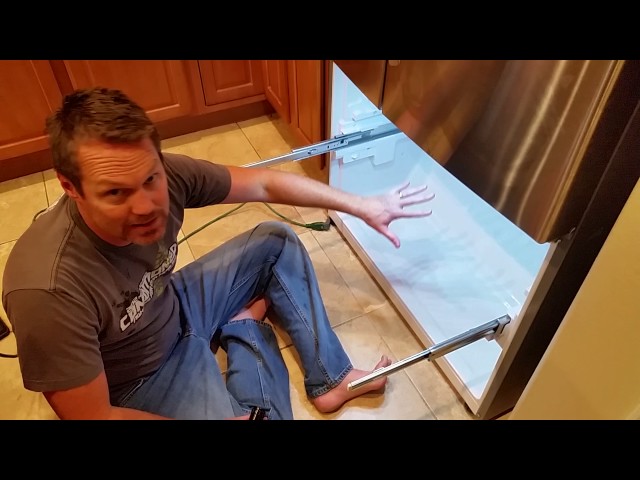
Youtube Video:
Quick Wiring Specifications & Terminal Guide
| Component / Circuit | Standard Wire Gauge | Recommended Protection |
|---|---|---|
| Control & Trigger Signals | 18 – 20 AWG | 5A – 7.5A Inline Fuse |
| Standard Auxiliary Load | 14 – 16 AWG | 15A – 20A Circuit Breaker |
| Main Power Feed / Supply | 10 – 12 AWG | 30A – 40A Heavy-Duty Relay |
Images References
Looking for more diagnostic guides? Explore our complete Refrigerator Problems 4 section for step-by-step troubleshooting solutions.
