
Introduction
Hearing an unusual noise coming from your LG refrigerator? A common culprit is the refrigerator fan. While a refrigerator naturally makes some noise, excessive humming, buzzing, clicking, or grinding noises from the fan indicate a potential problem. Ignoring these sounds can lead to decreased cooling efficiency, increased energy bills, and eventually, a completely broken refrigerator. Let’s get this fixed quickly!
💡 Technical Key Takeaways:
- Core Focus: Diagnostic schematic and terminal connection layout for Lg Refrigerator Making Fan Noise.
- Target Scope: Field technicians, automotive DIYers, and residential/commercial electricians.
- Safety Rule: Always disconnect the primary power source/battery terminal and verify zero voltage with a multimeter before touching wires.
Common Causes of lg refrigerator making fan noise
Several factors can cause your LG refrigerator to make fan noises:
- Ice Buildup: Ice can accumulate on the evaporator fan in the freezer, causing it to hit the ice and make noise.
- Dirty Condenser Coils: Dust and debris on the condenser coils can make the condenser fan work harder, creating more noise.
- Fan Blade Obstruction: Something might be blocking the fan blades, preventing them from spinning freely.
- Worn Fan Motor: Over time, the fan motor can wear out, causing it to become noisy.
- Loose Fan Blade: A loose fan blade can vibrate and create a rattling sound.
- Faulty Fan Motor Relay: A malfunctioning relay can cause the fan to run erratically and create noise.
- Refrigerator Not Level: An unlevel refrigerator can cause vibrations that amplify fan noise.
- Food Items Blocking Vents: Overcrowding and items blocking the vents can make the refrigerator work harder and cause fan noise.
Symptoms Checklist
These symptoms can help you pinpoint the issue:
- Loud humming or buzzing coming from the refrigerator or freezer compartment.
- Grinding or rattling noises originating from the back or bottom of the refrigerator.
- The noise gets louder when the refrigerator is running more actively.
- The refrigerator is not cooling as efficiently as usual.
- Visible ice buildup in the freezer.
How to Fix lg refrigerator making fan noise Step-by-Step Guide
Follow these steps to diagnose and fix the fan noise issue:
- Unplug the Refrigerator: For safety, always unplug your refrigerator before starting any troubleshooting.
- Locate the Noise: Determine if the noise is coming from the freezer (evaporator fan) or the back of the refrigerator (condenser fan).
- Check the Evaporator Fan (Freezer): Open the freezer and listen for the noise. If it’s the evaporator fan, proceed to step 4.
- Defrost the Freezer: Unplug the refrigerator and leave the freezer door open for 24 hours to melt any ice buildup. Alternatively, you can use a hairdryer on a low setting (be careful not to melt plastic parts).
- Inspect the Evaporator Fan Blades: After defrosting, check the fan blades for any obstructions or damage. Remove any ice or debris.
- Check the Condenser Fan (Back of Refrigerator): Locate the condenser fan at the back of the refrigerator, usually near the bottom.
- Clean the Condenser Coils: Use a vacuum cleaner with a brush attachment to clean the condenser coils. Dust buildup can cause the fan to work harder and make noise.
- Inspect the Condenser Fan Blades: Check the fan blades for any obstructions or damage. Remove any debris.
- Check for Loose Screws or Panels: Vibrations can loosen screws or panels, causing rattling noises. Tighten any loose screws you find.
- Level the Refrigerator: Use a level to ensure the refrigerator is level. Adjust the legs as needed.
- Rearrange Food Items: Make sure food items are not blocking any vents inside the refrigerator or freezer.
- Listen Again: Plug the refrigerator back in and listen for the noise. Did the noise disappear? If not, continue.
- Spin the Fan Blades Manually: With the refrigerator unplugged, gently spin the fan blades of both the evaporator and condenser fans. Do they spin freely? If not, the motor might be failing.
- Listen Carefully to the Motor: As the refrigerator runs again, carefully listen to the motor sound. If it sounds rough or strained, the motor is likely the problem.
Fix the Issue Without Buying Parts
Before considering replacements, try these free solutions:
- Reset the Refrigerator: Unplug the refrigerator for 5-10 minutes, then plug it back in. This can sometimes reset the system and resolve minor issues.
- Regular Cleaning: Regularly clean the condenser coils and interior of the refrigerator to prevent dust and debris buildup.
- Proper Food Storage: Avoid overcrowding the refrigerator and ensure proper airflow by not blocking vents.
- Check Door Seals: Make sure the door seals are clean and creating a tight seal. A faulty seal can cause the refrigerator to work harder and potentially affect fan noise.
When Replacement Might Be Necessary
If the noise persists after trying the above steps, the fan motor might be failing. While you can try replacing the motor yourself, it’s best to consult a professional if you’re not comfortable with electrical repairs. A replacement fan motor can cost between $50 and $150 USD, and labor costs for professional installation can range from $100 to $300 USD. Common failing parts include the evaporator fan motor, the condenser fan motor, and the fan motor relay. For more related activities, check out our Knocking Sound Samsung Fridge.
Safety Warning
- Always unplug the refrigerator before performing any maintenance or repairs.
- Avoid working on electrical components if you are not comfortable with electrical work.
- Keep water away from electrical components to prevent electric shock.
- Be careful when handling fan blades, as they can be sharp.
- If unsure about any step, consult a qualified appliance repair technician.
Tools You May Need
- Screwdriver (Phillips and flathead)
- Vacuum cleaner with brush attachment
- Level
- Flashlight
- Work Gloves
FAQ
Here are some frequently asked questions about refrigerator fan noise:
- Q: Why is my refrigerator fan so loud all of a sudden? A: It could be due to ice buildup, dirty condenser coils, or a failing fan motor.
- Q: Can I still use my refrigerator if the fan is making noise? A: It’s best to address the issue as soon as possible to prevent further damage and ensure efficient cooling.
- Q: How often should I clean the condenser coils? A: At least every 6 months, or more frequently if you have pets.
- Q: Is it normal for my refrigerator fan to make some noise? A: Yes, it’s normal for the fan to make some noise, but excessive or unusual noises should be investigated.
Conclusion
Don’t let a noisy refrigerator fan drive you crazy! By following these steps, you can often diagnose and fix the problem yourself, saving money and extending the life of your appliance. Give these troubleshooting steps a try before calling a technician you might be surprised at what you can accomplish. If the problem persists, remember to consult a qualified appliance repair technician for assistance.
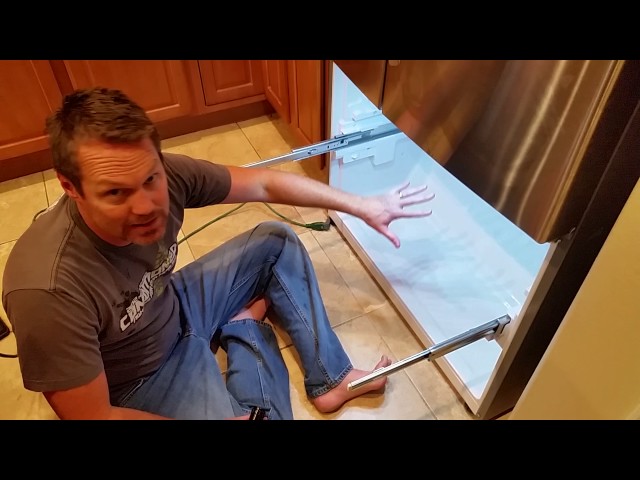
Youtube Video:
Quick Wiring Specifications & Terminal Guide
| Component / Circuit | Standard Wire Gauge | Recommended Protection |
|---|---|---|
| Control & Trigger Signals | 18 – 20 AWG | 5A – 7.5A Inline Fuse |
| Standard Auxiliary Load | 14 – 16 AWG | 15A – 20A Circuit Breaker |
| Main Power Feed / Supply | 10 – 12 AWG | 30A – 40A Heavy-Duty Relay |
Images References
Looking for more diagnostic guides? Explore our complete Refrigerator Problems 4 section for step-by-step troubleshooting solutions.
