
Introduction
An overflowing ice maker in your LG refrigerator can be a frustrating problem. Not only does it create a messy puddle of water, but it can also lead to ice buildup in the freezer, potentially damaging food and the appliance itself. This often happens when the water inlet valve malfunctions, the ice maker isn’t level, or there’s a clog in the fill tube. Addressing this issue quickly is important to prevent water damage and ensure your refrigerator functions correctly. Let’s get started and solve this problem together!
💡 Technical Key Takeaways:
- Core Focus: Diagnostic schematic and terminal connection layout for Lg Refrigerator Ice Maker Spills Water.
- Target Scope: Field technicians, automotive DIYers, and residential/commercial electricians.
- Safety Rule: Always disconnect the primary power source/battery terminal and verify zero voltage with a multimeter before touching wires.
Common Causes of lg refrigerator ice maker spills water
Here are some common reasons why your LG refrigerator’s ice maker might be spilling water:
- Clogged Water Line: A blockage in the water line restricts water flow, causing the ice maker to overfill when water finally gets through.
- Frozen Fill Tube: Ice can form in the fill tube that supplies water to the ice maker, leading to inconsistent water dispensing and overflows.
- Malfunctioning Water Inlet Valve: This valve controls the water flow to the ice maker. If it’s faulty, it may not shut off properly, causing continuous water dispensing.
- Incorrect Freezer Temperature: If the freezer temperature is too high, the ice may melt and refreeze, causing spillage.
- Ice Maker Not Level: An unlevel ice maker can cause water to spill out before it freezes.
- High Water Pressure: Excessive water pressure can overwhelm the ice maker, leading to overflows.
- Faulty Ice Maker Module: The ice maker module controls the ice-making cycle. A faulty module can cause erratic water dispensing.
- Water Filter Issue: An old or incorrectly installed water filter can restrict water flow and affect ice production.
Symptoms Checklist
Here’s what you might observe if your LG ice maker is spilling water:
- Water dripping from the ice maker.
- Ice buildup in the ice maker compartment.
- Puddle of water in the freezer.
- Ice cubes clumped together.
- Ice maker producing excessively large ice cubes.
- Water leaking from the refrigerator.
How to Fix lg refrigerator ice maker spills water Step-by-Step Guide
Follow these steps to troubleshoot and fix your LG ice maker:
- Unplug the Refrigerator: For safety, disconnect the refrigerator from the power outlet before starting.
- Locate the Ice Maker: Typically found in the freezer compartment on the left side.
- Inspect the Water Line: Check the water line connected to the refrigerator for any kinks or damage. Straighten any kinks.
- Check the Water Inlet Valve: Locate the water inlet valve (usually at the back of the refrigerator). Visually inspect it for cracks or leaks.
- Examine the Fill Tube: The fill tube is the small tube that dispenses water into the ice maker. Check for ice blockage. You can use a hair dryer on a low setting to gently melt any ice buildup.
- Check Freezer Temperature: Ensure the freezer temperature is set between 0F (-18C) and 5F (-15C).
- Level the Refrigerator: Use a level to check if the refrigerator is sitting level. Adjust the leveling feet at the bottom to correct any imbalances.
- Clean the Ice Maker: Remove any ice buildup in the ice maker. A plastic utensil can help.
- Check Water Pressure: Ensure your home’s water pressure is within the recommended range (30-100 psi). You may need a pressure regulator if it’s too high.
- Replace Water Filter (if applicable): If you have a water filter, replace it according to the manufacturer’s instructions.
- Reset the Ice Maker: Locate the reset button (usually a small button on the side or bottom of the ice maker). Press and hold the button for a few seconds.
- Observe Ice Production: After resetting, monitor the ice maker for a few hours to see if the problem is resolved.
- Test the Water Inlet Valve (Advanced): If the problem persists, you can test the water inlet valve with a multimeter. This step requires electrical knowledge. If you are not comfortable, skip this step.
Fix the Issue Without Buying Parts
Sometimes, you can resolve the issue without replacing any parts:
- Reset the Ice Maker: Often, a simple reset can correct minor malfunctions.
- Clean the Ice Maker: Regularly cleaning the ice maker helps prevent ice buildup and blockages.
- Check Water Line for Kinks: Ensure the water line is not kinked, restricting water flow.
- Adjust Freezer Temperature: Maintaining the correct freezer temperature is crucial for proper ice production.
- Inspect Fill Tube Regularly: Periodically check the fill tube for ice buildup.
When Replacement Might Be Necessary
If troubleshooting steps fail to resolve the issue, replacing parts might be necessary. The water inlet valve ($30-$75), the ice maker module ($50-$150), or the entire ice maker assembly ($100-$300) are the most commonly replaced components. A faulty ice maker module or a severely damaged water inlet valve usually warrant replacement.
Safety Warning
- Always unplug the refrigerator before performing any repairs.
- Be careful when using tools to avoid injury.
- Clean up any spilled water immediately to prevent slips and falls.
- If you’re uncomfortable with electrical work, consult a qualified appliance repair technician.
Tools You May Need
- Screwdrivers (Phillips and flathead)
- Adjustable wrench
- Pliers
- Level
- Hair dryer (optional)
- Multimeter (for advanced testing – optional)
FAQ
Here are some frequently asked questions about ice maker problems:
- Q: Why is my ice maker producing small ice cubes? A: Low water pressure or a partially blocked water line could be the cause.
- Q: How often should I replace the water filter? A: Generally, every 6 months, or as recommended by the manufacturer.
- Q: Can I manually defrost the ice maker? A: Yes, you can unplug the refrigerator and let the ice melt naturally. Using a hair dryer on a low setting can speed up the process.
- Q: Why is water leaking from the bottom of my refrigerator? A: This could be due to a clogged defrost drain or a leaking water line connection.
- Q: How do I know if my water inlet valve is bad? A: You can test it with a multimeter to check for continuity. If it shows no continuity when it should be open, it’s likely faulty.
Conclusion
Troubleshooting your LG refrigerator ice maker can often be done with a few simple steps. By following this guide, you’ve hopefully identified and resolved the cause of the water spillage. If the problem persists after attempting these solutions, it might be time to contact a qualified appliance repair technician for further assistance. Start with the DIY approach first and save money!
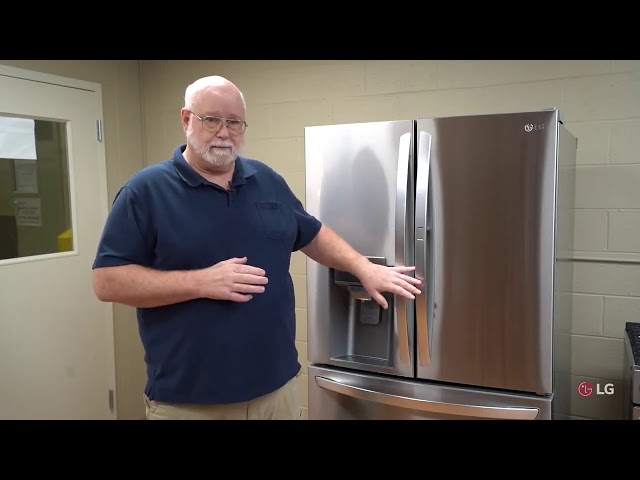
Youtube Video:
Quick Wiring Specifications & Terminal Guide
| Component / Circuit | Standard Wire Gauge | Recommended Protection |
|---|---|---|
| Control & Trigger Signals | 18 – 20 AWG | 5A – 7.5A Inline Fuse |
| Standard Auxiliary Load | 14 – 16 AWG | 15A – 20A Circuit Breaker |
| Main Power Feed / Supply | 10 – 12 AWG | 30A – 40A Heavy-Duty Relay |
Images References
Looking for more diagnostic guides? Explore our complete Refrigerator Problems 4 section for step-by-step troubleshooting solutions.
