Introduction
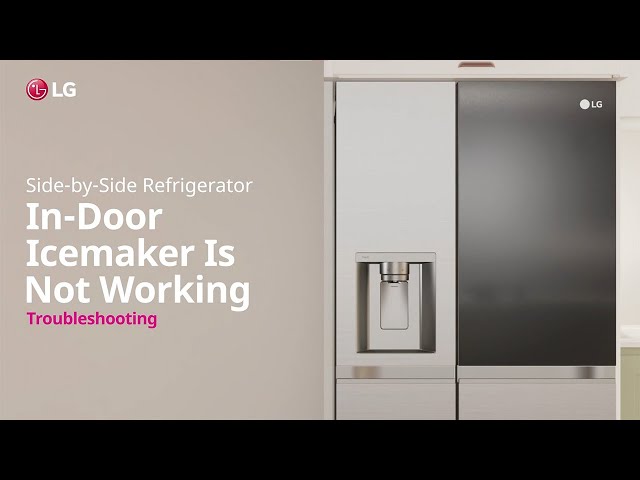
Is your LG refrigerator’s ice dispenser on strike? It’s a common problem that can be incredibly frustrating, especially during hot weather or when you’re entertaining guests. Imagine needing ice for drinks and discovering your dispenser is stubbornly refusing to cooperate. The good news is that often, you can troubleshoot and fix the issue yourself without needing to call a costly repair technician. Let’s walk through some common causes and step-by-step solutions.
Common Causes of lg refrigerator ice dispenser not working
Here are some typical reasons why your LG refrigerator ice dispenser might not be working:
- Ice Jam in the Chute: Ice clumps can freeze together, blocking the dispenser chute.
- Frozen Ice Maker: If the ice maker itself is frozen, it can’t produce or dispense ice.
- Water Supply Issues: A kinked or frozen water line can prevent water from reaching the ice maker.
- Faulty Water Inlet Valve: This valve controls the flow of water to the ice maker; if it’s malfunctioning, no ice is made.
- Defective Ice Maker Motor: The motor that rotates the ice dispensing mechanism might be broken.
- Dispenser Switch Problem: The switch that activates the dispenser when you press the lever might be faulty.
- Full Ice Bin: Ironically, an overfull ice bin can sometimes jam the dispenser.
- Incorrect Freezer Temperature: If the freezer isn’t cold enough, the ice won’t form properly.
- Filter Issues: A clogged or improperly installed water filter can restrict water flow.
Symptoms Checklist
Use this checklist to accurately identify the issue:
- No ice is dispensed when the lever is pressed.
- Crushed ice is dispensed instead of cubes (or vice-versa).
- The dispenser makes a grinding noise but no ice comes out.
- The ice maker isn’t producing any ice at all.
- The water dispenser is also not working.
- Ice cubes are small or misshapen.
How to Fix lg refrigerator ice dispenser not working Step-by-Step Guide
Follow these steps to troubleshoot your ice dispenser:
- Check the Ice Bin: Remove the ice bin and inspect it for ice clumps or frozen masses. Break up any clumps and discard any misshapen or partially melted ice.
- Inspect the Chute: Look for ice jams in the dispenser chute. You can use a plastic utensil (like a spoon handle) to gently dislodge any obstructions. Avoid using sharp objects that could damage the dispenser.
- Listen for the Motor: Press the dispenser lever and listen carefully. Do you hear the motor running? If not, the motor or the switch might be the problem.
- Check the Freezer Temperature: Ensure your freezer temperature is set to the recommended setting (usually around 0F or -18C).
- Inspect the Water Line: Locate the water line that connects to the back of your refrigerator. Make sure it’s not kinked or frozen. If frozen, try gently warming it with a hairdryer (on a low setting) or leaving it unplugged for a short period.
- Check the Water Filter: Replace or clean your water filter. A clogged filter can significantly reduce water flow to the ice maker. Refer to your refrigerator’s manual for instructions on how to replace the filter.
- Reset the Refrigerator: Unplug the refrigerator for 5-10 minutes. This can sometimes reset the ice maker and clear minor glitches.
- Manually Cycle the Ice Maker: Some LG refrigerators have a test button on the ice maker. Consult your user manual to see if your model has this feature and how to use it. This can force the ice maker to cycle and eject any ice.
- Check the Water Inlet Valve: The water inlet valve is usually located at the back of the refrigerator. You can visually inspect it for any damage or leaks. Testing it requires a multimeter and is best left to a qualified technician if you’re not comfortable working with electrical components.
- Ensure Ice Maker Arm is Down: Many LG refrigerators have an ice maker arm that, when raised, prevents the ice maker from producing ice. Ensure this arm is in the downward position.
- Listen for Water Fill: After resetting the refrigerator or manually cycling the ice maker, listen carefully for the sound of water filling the ice maker tray. If you don’t hear it, the water supply is likely the issue.
- Give It Time: After any troubleshooting steps, give the ice maker 24-48 hours to produce new ice.
Fix the Issue Without Buying Parts
Often, you can resolve ice dispenser issues without spending money:
- Regular Cleaning: Regularly empty and clean the ice bin to prevent ice clumps from forming.
- Water Filter Maintenance: Replace the water filter as recommended by the manufacturer (usually every 6 months).
- Freezer Temperature Adjustment: Ensure the freezer temperature is set correctly for optimal ice production.
- Visual Inspection: Regularly check the water line for kinks or damage.
When Replacement Might Be Necessary
If you’ve tried all the troubleshooting steps and the ice dispenser still isn’t working, a part replacement might be necessary. Commonly failing parts include:
- Water Inlet Valve: Estimated cost: $30-$70 USD.
- Ice Maker Motor: Estimated cost: $50-$100 USD.
- Dispenser Switch: Estimated cost: $20-$50 USD.
Consider contacting a qualified appliance repair technician for diagnosis and replacement if you’re not comfortable doing it yourself.
Safety Warning
- Always unplug the refrigerator before performing any repairs.
- Avoid touching any electrical components with wet hands.
- If you’re unsure about any step, consult a qualified appliance repair technician.
- Be careful when working with tools to avoid injury.
Tools You May Need
- Screwdrivers (Phillips and flathead)
- Pliers
- Plastic utensil (for dislodging ice)
- Towel or cloth
- Hairdryer (optional, for thawing frozen water lines)
FAQ
Here are some frequently asked questions about LG refrigerator ice dispensers:
- Q: Why is my ice maker making small cubes? A: This is often due to low water pressure or a clogged water filter.
- Q: How do I reset my LG ice maker? A: Unplug the refrigerator for 5-10 minutes. Some models also have a reset button on the ice maker itself. Consult your user manual.
- Q: Why is my ice dispenser dispensing water? A: This could be due to a faulty water inlet valve or a problem with the dispenser switch.
- Q: How often should I replace my water filter? A: Typically, every 6 months, but refer to your refrigerator’s manual for specific recommendations.
Conclusion
A malfunctioning ice dispenser can be a real inconvenience, but with a little troubleshooting, you can often get it working again yourself. Start with the simple solutions, like checking for ice jams and replacing the water filter. If the problem persists, consider contacting a qualified appliance repair technician. Don’t give up on that ice-cold drink just yet!
Youtube Video:
Looking for more useful options?
Check out recommended resources that others find helpful.