
Introduction
Is your LG ice maker on the fritz? A non-working ice maker can be a real headache, especially during hot weather or when you need ice for entertaining. It’s a common problem many LG refrigerator owners face. The good news is that often, the issue is something you can fix yourself without needing to call a repair technician immediately. This guide will walk you through common causes and simple solutions to get your ice maker back up and running.
💡 Technical Key Takeaways:
- Core Focus: Diagnostic schematic and terminal connection layout for Lg Ice Maker In Freezer Not Working.
- Target Scope: Field technicians, automotive DIYers, and residential/commercial electricians.
- Safety Rule: Always disconnect the primary power source/battery terminal and verify zero voltage with a multimeter before touching wires.
Common Causes of LG Ice Maker in Freezer Not Working
Here are some of the most frequent reasons why your LG ice maker might have stopped producing ice:. For more related activities, check out our Lg Bottom Freezer Ice Maker Not Dumping Ice.
- Frozen Water Line: The water supply line to the ice maker can freeze, blocking water flow.
- Kinked or Blocked Water Line: A kink in the water line or a blockage from sediment can restrict water flow.
- Water Filter Issues: A clogged or improperly installed water filter can prevent water from reaching the ice maker.
- Low Freezer Temperature: If the freezer is not cold enough, the ice maker won’t function properly.
- Ice Maker Arm Position: The ice maker’s shut-off arm might be in the “off” or “up” position, preventing ice production.
- Defective Water Inlet Valve: This valve controls the flow of water to the ice maker. If it’s faulty, it won’t allow water through.
- Faulty Ice Maker Module: The ice maker module controls the entire ice-making process. If it’s malfunctioning, the ice maker won’t work.
- Ice Jam: Ice can sometimes accumulate and jam the ice maker, preventing it from cycling.
- Power Outage/Surge: Electrical interruptions can sometimes disrupt the ice maker’s operation.
Symptoms Checklist
Use this checklist to help pinpoint the problem:
- No ice production at all.
- Ice maker is making ice very slowly.
- Ice cubes are small or misshapen.
- No water is entering the ice maker.
- Ice maker is overflowing.
- You hear the ice maker trying to cycle, but nothing happens.
- Ice maker is making a grinding noise.
How to Fix LG Ice Maker Not Working Step-by-Step Guide
Follow these steps to troubleshoot your LG ice maker:
- Check the Freezer Temperature: Ensure the freezer temperature is set between 0F and 5F (-18C to -15C). Adjust the thermostat if necessary and wait 24 hours to see if it resolves the issue.
- Inspect the Ice Maker Arm: Make sure the ice maker’s shut-off arm is in the “down” position. If it’s up, lower it.
- Check the Water Supply Line: Locate the water line behind the refrigerator. Check for any kinks or bends that might be restricting water flow. Straighten the line if needed.
- Check the Water Valve: Ensure the water supply to the refrigerator is turned on. Locate the shut-off valve (usually under the sink or behind the fridge) and make sure it’s fully open.
- Inspect the Water Filter: Locate the water filter (usually inside the refrigerator or in the base grille). Remove the filter and inspect it. If it’s old or clogged, replace it with a new one. If it is new, make sure it’s installed correctly. Some refrigerators need the water line bled when a new filter is installed. Consult your user manual for instructions.
- Thaw a Frozen Water Line: If you suspect a frozen water line, unplug the refrigerator. You can use a hairdryer (on a low setting) to gently warm the water line and melt any ice. Be careful not to overheat the line. You can also let the fridge sit unplugged for several hours to allow it to thaw naturally.
- Listen for the Water Valve: After addressing water line issues, listen for a buzzing or humming sound from the water inlet valve when the ice maker is cycling. If you don’t hear anything, the valve might be defective.
- Check for Ice Jam: Remove any ice buildup or ice jams in the ice maker tray. Use a plastic utensil to carefully dislodge any ice. Avoid using sharp objects that could damage the ice maker.
- Power Cycle the Refrigerator: Unplug the refrigerator for 5-10 minutes, then plug it back in. This can sometimes reset the ice maker and resolve minor issues.
- Clean the Ice Maker: Periodically clean the ice maker with a solution of baking soda and water. This can help remove mineral deposits and prevent ice jams.
- Force a Cycle (if applicable): Some LG ice makers have a test button or a way to manually force a cycle. Consult your user manual for instructions on how to do this.
Fix the Issue Without Buying Parts
Here are some free methods you can try:
- Reset the Ice Maker: Unplug the refrigerator for 5-10 minutes to reset the ice maker’s electronics.
- Cleaning: Regularly clean the ice maker with a baking soda and water solution to prevent mineral buildup.
- Recalibration: Ensure the freezer temperature is within the recommended range (0F to 5F) for optimal ice production.
- Inspection Tips: Visually inspect the water lines and ice maker components for any obvious damage or obstructions.
- Maintenance Basics: Replace the water filter every 6 months to prevent clogs and ensure proper water flow.
When Replacement Might Be Necessary
If you’ve tried all the troubleshooting steps and your ice maker is still not working, you might need to consider replacing a part. Common parts that fail include the water inlet valve, ice maker module, or even the entire ice maker assembly. Replacement costs can range from $50 to $200+ USD, depending on the part and the refrigerator model. Before replacing any parts, it’s advisable to consult with a qualified appliance repair technician.
Safety Warning
- Always unplug the refrigerator before performing any troubleshooting or repairs.
- Avoid working on electrical components with wet hands or on wet floors.
- Be careful when using a hairdryer to thaw frozen water lines. Avoid overheating the lines.
- If you’re not comfortable performing any of these steps, consult a qualified appliance repair technician.
Tools You May Need
- Screwdrivers (Phillips and flathead)
- Pliers
- Adjustable wrench
- Hairdryer
- Baking soda
- Water filter (if replacement is needed)
FAQ
Here are some frequently asked questions:
- Q: Why is my LG ice maker making small or hollow ice cubes?A: This is often caused by low water pressure or a partially blocked water filter. Check the water supply line and replace the filter if necessary.
- Q: How often should I replace my LG refrigerator’s water filter?A: It’s recommended to replace the water filter every 6 months, or sooner if you notice a decrease in water flow or ice quality.
- Q: My ice maker is overflowing. What should I do?A: This could be caused by a faulty water inlet valve or a blockage in the drain line. Inspect these components and clear any obstructions.
- Q: How do I force a cycle on my LG ice maker?A: Refer to your refrigerator’s user manual for specific instructions on how to manually force a cycle. The method varies depending on the model.
Conclusion
Troubleshooting an LG ice maker can seem daunting, but with a little patience and these steps, you can often resolve the issue yourself. Remember to always prioritize safety and consult your user manual for specific instructions related to your refrigerator model. If you’ve exhausted these troubleshooting steps and your ice maker is still not working, it might be time to call a qualified appliance repair technician. Good luck!
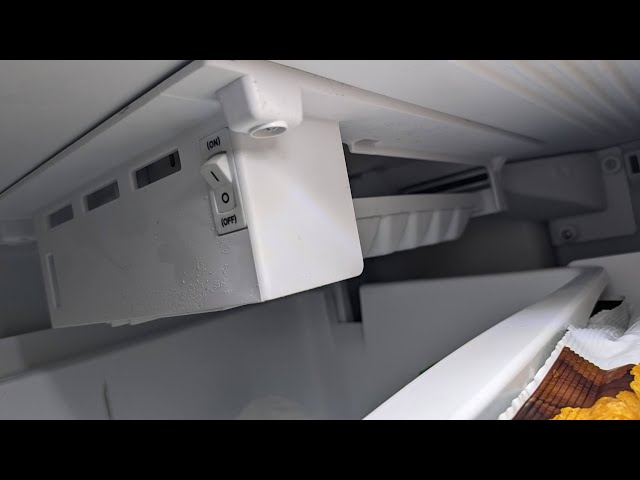
Youtube Video:
Quick Wiring Specifications & Terminal Guide
| Component / Circuit | Standard Wire Gauge | Recommended Protection |
|---|---|---|
| Control & Trigger Signals | 18 – 20 AWG | 5A – 7.5A Inline Fuse |
| Standard Auxiliary Load | 14 – 16 AWG | 15A – 20A Circuit Breaker |
| Main Power Feed / Supply | 10 – 12 AWG | 30A – 40A Heavy-Duty Relay |
Images References
Looking for more diagnostic guides? Explore our complete Refrigerator Problems 4 section for step-by-step troubleshooting solutions.
