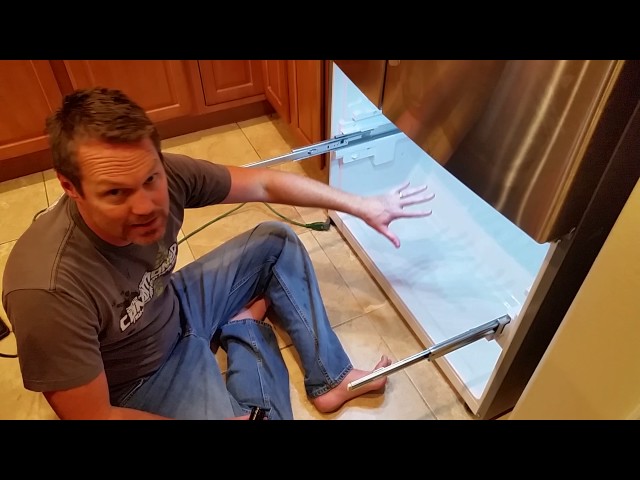
Introduction
A vibrating refrigerator is more than just annoying; it can indicate underlying issues that, if left unaddressed, could lead to costly repairs or even shorten the lifespan of your LG fridge. This noise often occurs when the fridge is running or cycling on and off. It’s important to address the issue promptly to prevent further damage and maintain your appliance’s efficiency.
Common Causes of lg fridge vibrating noise
Here are some of the most common reasons why your LG fridge might be vibrating:
- Unlevel Fridge: If your fridge isn’t level, it can cause components to vibrate against each other.
- Ice Maker Issues: A loose ice maker or parts within it can create rattling and vibrating noises.
- Condenser Fan Problems: Debris or damage to the condenser fan can cause it to vibrate.
- Compressor Vibration: The compressor, responsible for cooling, can vibrate excessively if its mounting bolts are loose.
- Loose Components: Shelves, drawers, or panels that aren’t properly secured can vibrate.
- Water Line Vibration: The water line supplying the ice maker or water dispenser can vibrate against the fridge or wall.
- Drain Pan Issues: The drain pan under the fridge can vibrate if it’s not properly seated or has debris in it.
- Nearby Objects: Items placed on top or around the fridge can sometimes cause vibrations.
Symptoms Checklist
Use this checklist to help pinpoint the source of the vibration:
- The vibration occurs only when the compressor is running.
- The vibration is louder at certain times of the day or after the fridge has been opened.
- You can feel the vibration by touching the sides or back of the fridge.
- The noise changes when you adjust the temperature settings.
- The vibration seems to be coming from the bottom or back of the fridge.
- The ice maker is producing unusual noises along with the vibration.
- The vibration is accompanied by other unusual noises, like buzzing or clicking.
How to Fix lg fridge vibrating noise Step-by-Step Guide
- Check the Fridge Level: Use a level on the top of the fridge. Adjust the leveling feet (usually at the bottom corners) until the fridge is perfectly level from side to side and front to back.
- Examine the Ice Maker: Open the ice maker compartment and check for loose parts. Ensure the ice maker is securely attached to the fridge. Try removing any accumulated ice.
- Inspect the Condenser Fan: Carefully unplug the fridge. Locate the condenser fan (usually at the back of the fridge, near the bottom). Remove the access panel and check for any debris (dust, pet hair) that might be causing the fan to be unbalanced. Clean it gently with a brush or vacuum.
- Check Compressor Mounts: (Unplug Fridge First!) Locate the compressor (usually near the bottom at the back). Examine the mounting bolts to ensure they are snug but not overtightened.
- Secure Loose Components: Open the fridge and freezer compartments. Ensure all shelves, drawers, and panels are correctly positioned and securely in place.
- Inspect the Water Line: If your fridge has an ice maker or water dispenser, check the water line at the back of the fridge. Make sure it’s not vibrating against the wall or any other part of the fridge. You can use foam padding or clips to secure it.
- Check the Drain Pan: Locate the drain pan (usually underneath the fridge). Ensure it’s correctly seated and empty. Clean it if necessary.
- Clear Surroundings: Ensure nothing is touching the fridge that could cause a vibration. Remove items from the top and sides of the fridge.
- Tighten Loose Screws: Check all visible screws on the back and inside of the fridge and tighten any that are loose.
- Defrost the Fridge: Excess ice build-up can sometimes cause vibrations. Defrosting the fridge might resolve the issue. Unplug the fridge and allow it to defrost completely, then plug it back in.
- Check for Internal Obstructions: Make sure items inside the refrigerator are not pushed up against the back wall or sides where they might come into contact with cooling components.
Fix the Issue Without Buying Parts
Many vibration issues can be resolved without buying new parts:
- Reset the Fridge: Unplug the fridge for 10 minutes to reset it. This can sometimes resolve minor electronic glitches.
- Cleaning: Thoroughly clean the fridge, including the condenser coils (if accessible) and the drain pan.
- Recalibration (If Applicable): Some LG fridges have recalibration settings. Consult your owner’s manual for instructions.
- Regular Inspection: Regularly check the fridge for loose components and clean it to prevent future vibrations.
When Replacement Might Be Necessary
If the vibrating noise persists after trying the above steps, a failing compressor might be the culprit. Replacing a compressor is a complex and costly repair, often ranging from $400 to $800 (USD) including labor. Other parts that might need replacement include the condenser fan motor ($100-$200 USD) or the ice maker assembly ($150-$300 USD). Before replacing any parts, consider whether the cost outweighs the value of the fridge.
Safety Warning
- Always unplug the fridge before performing any maintenance or repairs.
- Avoid working on electrical components while standing on a wet floor.
- If you are uncomfortable performing any of these tasks, consult a qualified appliance repair technician.
Tools You May Need
- Screwdriver (Phillips and flathead)
- Level
- Wrench or pliers
- Vacuum cleaner with brush attachment
- Cleaning cloths
- Foam padding or clips (for water line)
FAQ
Q: Why is my LG fridge vibrating more at night?A: At night, when the ambient noise is lower, the vibrating noise from your fridge might seem louder. This could also be because the compressor is working harder to maintain temperature when the kitchen is cooler.
Q: How do I know if the compressor is causing the vibration?A: If the vibration only occurs when the compressor is running, and you can feel the vibration strongly on or near the compressor, it’s likely the source.
Q: Can a dirty condenser fan cause the fridge to vibrate?A: Yes, a dirty or unbalanced condenser fan can cause the fridge to vibrate. Cleaning the fan is a good first step.
Q: Is it normal for a new fridge to vibrate a little?A: Some slight vibration is normal, especially when the compressor first starts. However, excessive vibration or rattling should be addressed.
Conclusion
Troubleshooting a vibrating refrigerator can seem daunting, but many issues can be resolved with simple steps. By following this guide, you can identify the source of the vibration and attempt a DIY fix. However, if you are uncomfortable with any of these steps or the problem persists, don’t hesitate to call a qualified appliance repair technician.
Youtube Video:
Looking for more useful options?
Check out recommended resources that others find helpful.