
Introduction
A leaking furnace AC system is a common, yet concerning, problem for many homeowners. What seems like a minor drip can quickly lead to significant water damage, mold growth, and even compromised air quality in your home. This issue often occurs during the hotter months when your air conditioner is working overtime, but it can also happen during milder seasons. Addressing a leaking furnace AC promptly is crucial to prevent further damage and ensure your system operates efficiently. This guide will walk you through the common causes, symptoms, and steps you can take to troubleshoot and potentially fix the problem yourself before calling a professional.
💡 Technical Key Takeaways:
- Core Focus: Diagnostic schematic and terminal connection layout for Leaking Furnace Ac.
- Target Scope: Field technicians, automotive DIYers, and residential/commercial electricians.
- Safety Rule: Always disconnect the primary power source/battery terminal and verify zero voltage with a multimeter before touching wires.
Common Causes of Leaking Furnace AC
Several factors can contribute to a leaking furnace AC. Here are some of the most common:
- Clogged Condensate Drain Line: This is the most frequent culprit. The drain line removes water produced by the cooling process. If it gets clogged with algae, dust, or debris, the water backs up and leaks.
- Dirty Air Filter: A dirty air filter restricts airflow, causing the evaporator coil to freeze. When the ice melts, it overwhelms the drain pan, leading to a leak.
- Broken or Cracked Drain Pan: The drain pan collects water from the evaporator coil. If it’s cracked or damaged, water will leak out.
- Low Refrigerant Levels: Low refrigerant can also cause the evaporator coil to freeze. As with a dirty filter, the melting ice overflows the drain pan.
- Improperly Sloped Drain Line: If the drain line isn’t properly sloped, water can’t flow freely and may back up.
- Condensate Pump Failure: Some systems use a condensate pump to lift water to a higher drain. A failing pump can cause water to overflow.
- High Humidity: Extremely humid conditions can increase condensation, potentially exceeding the drain pan’s capacity.
- Frozen Evaporator Coil: As mentioned above, anything causing a frozen coil (low refrigerant, dirty filter) can lead to excessive melting and leaking.
Symptoms Checklist
Look for these signs to identify a leaking furnace AC:
- Water stains on the ceiling near the furnace.
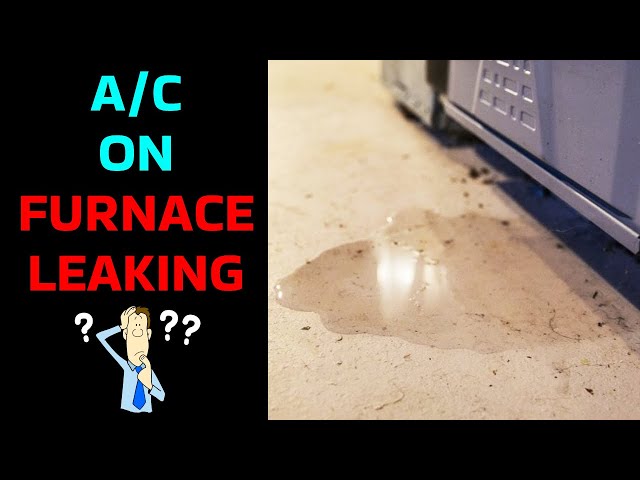
- Puddles of water around the furnace.
- Musty or moldy odors.
- Visible mold growth near the furnace.
- Increased humidity in the house.
- The furnace running constantly.
- Unusually high energy bills.
How to Fix Leaking Furnace AC Step-by-Step Guide
Here’s a step-by-step guide to troubleshooting and potentially fixing your leaking furnace AC:
- Turn Off the Power: Before you start any troubleshooting, turn off the power to the furnace at the breaker box. Safety first!
- Locate the Leak: Carefully inspect around the furnace to pinpoint the source of the leak. Check the drain pan, drain line, and around the evaporator coil access panel.
- Inspect the Air Filter: Remove the air filter and check its condition. If it’s dirty, replace it with a new one. Use the recommended filter type for your furnace.
- Clear the Condensate Drain Line: Find the condensate drain line (usually a PVC pipe). You can try to clear it by using a wet/dry vacuum to suck out any clogs. Attach the vacuum hose to the end of the drain line and run it for a few minutes.
- Flush the Drain Line: If the vacuum doesn’t work, try flushing the drain line with a mixture of hot water and a small amount of bleach or vinegar. Pour the solution slowly into the drain line and let it sit for about 30 minutes before flushing it with more hot water.
- Check the Drain Pan: Inspect the drain pan for cracks or damage. If you find any, you may need to replace the pan. However, temporarily you can try to seal small cracks with waterproof sealant.
- Inspect the Evaporator Coil (If Accessible): If you’re comfortable removing the access panel, inspect the evaporator coil for ice buildup. If it’s frozen, turn the furnace off and let the ice melt completely. Then, try running the system again.
- Check the Drain Line Slope: Ensure that the drain line is properly sloped downwards, allowing water to flow freely. If necessary, adjust the supports holding the drain line.
- Check the Condensate Pump (If Applicable): If your system has a condensate pump, make sure it’s plugged in and functioning correctly. Listen for the pump running periodically. If it’s not running, it may need to be replaced.
- Monitor for Continued Leaks: After performing these steps, turn the power back on to the furnace and monitor for any continued leaks. It may take some time for any residual water to drain.
- Consider a Professional Cleaning: If the problem persists, consider having a professional HVAC technician clean and inspect your furnace AC system.
Fix the Issue Without Buying Parts
Many leaks can be resolved without purchasing new parts. Regularly cleaning or replacing your air filter is a crucial preventative measure. Ensuring the condensate drain line is clear is also key. You can also try a system reset: turn off the power to the furnace at the breaker for 30 minutes, then turn it back on. This sometimes resolves minor issues. Regular visual inspections of the furnace area can help you catch small problems before they become big leaks. Also, maintaining proper airflow by keeping vents unobstructed can help prevent freezing. For more related activities, check out our My Aircon Suddenly Stopped Working.
When Replacement Might Be Necessary
While most leaks can be fixed with simple troubleshooting, sometimes replacement is necessary. A badly cracked drain pan, a failed condensate pump, or a refrigerant leak requiring extensive repairs might warrant replacement. Replacing a drain pan can cost between $100 and $300. Replacing a condensate pump can range from $150 to $400. Major repairs involving refrigerant leaks or a damaged evaporator coil could easily exceed $500 and, in some cases, make replacing the entire furnace AC system a more cost-effective option. Common parts that fail include the drain pan, condensate pump, and the evaporator coil itself.
Safety Warning
- Always turn off the power to the furnace at the breaker before performing any maintenance or troubleshooting.
- Avoid working in wet areas or on wet floors to prevent electric shock.
- If you’re unsure about any step, consult a qualified HVAC technician.
- Be careful when handling cleaning solutions like bleach or vinegar. Wear gloves and eye protection.
- Never attempt to repair refrigerant leaks yourself. Refrigerant is harmful and requires specialized equipment to handle safely.
Tools You May Need
Here’s a basic list of tools that can be helpful:
- Wet/dry vacuum
- Screwdrivers (Phillips and flathead)
- Adjustable wrench
- Gloves
- Eye protection
- Flashlight
- New air filter
- Waterproof sealant (for temporary drain pan repairs)
FAQ
Here are some frequently asked questions about leaking furnace AC systems:
- Why is my furnace leaking only when the AC is running?
- This is typically due to condensation forming on the evaporator coil. The coil gets very cold, and moisture in the air condenses on it. If the drain line is clogged, the water can’t drain properly and leaks.
- Can a dirty air filter cause my furnace to leak?
- Yes. A dirty air filter restricts airflow, causing the evaporator coil to freeze. When the ice melts, it can overwhelm the drain pan and cause a leak.
- How often should I clean my condensate drain line?
- It’s recommended to clean your condensate drain line at least once a year, preferably before the start of the cooling season. You might need to clean it more often if you notice signs of clogging.
- What if I can’t find the source of the leak?
- If you’ve tried troubleshooting and still can’t find the source of the leak, it’s best to call a qualified HVAC technician. They have the expertise and tools to diagnose the problem accurately and safely.
Conclusion
A leaking furnace AC can be a frustrating problem, but with a little patience and these troubleshooting steps, you may be able to resolve the issue yourself and save money. Start with the simple solutions, such as checking the air filter and clearing the condensate drain line. If the problem persists, don’t hesitate to contact a qualified HVAC technician for assistance. Taking proactive steps to maintain your furnace AC system can prevent leaks and ensure efficient operation for years to come. Remember to always prioritize safety and consult a professional when in doubt!
Youtube Video:
Quick Wiring Specifications & Terminal Guide
| Component / Circuit | Standard Wire Gauge | Recommended Protection |
|---|---|---|
| Control & Trigger Signals | 18 – 20 AWG | 5A – 7.5A Inline Fuse |
| Standard Auxiliary Load | 14 – 16 AWG | 15A – 20A Circuit Breaker |
| Main Power Feed / Supply | 10 – 12 AWG | 30A – 40A Heavy-Duty Relay |
Images References
Looking for more diagnostic guides? Explore our complete Air Conditioner Troubleshooting 5 section for step-by-step troubleshooting solutions.
