
Introduction
Discovering water leaking from your Frigidaire refrigerator can be frustrating and even alarming. A leaking refrigerator can damage your flooring, lead to mold growth, and indicate a more serious problem with your appliance. Most leaks are caused by simple issues that can be easily fixed at home. Ignoring a leak can worsen the problem and potentially lead to expensive repairs or even the need to replace your refrigerator. This guide will walk you through common causes and simple fixes you can try before calling a technician.
💡 Technical Key Takeaways:
- Core Focus: Diagnostic schematic and terminal connection layout for Leaking Frigidaire Refrigerator.
- Target Scope: Field technicians, automotive DIYers, and residential/commercial electricians.
- Safety Rule: Always disconnect the primary power source/battery terminal and verify zero voltage with a multimeter before touching wires.
Common Causes of Leaking Frigidaire Refrigerator
Here are some of the most common reasons why your Frigidaire refrigerator might be leaking:
- Clogged Defrost Drain: This is the most frequent culprit. The defrost drain carries water from the defrost cycle to a pan where it evaporates. If it’s clogged with food particles or ice, the water overflows.
- Frozen Water Line: If you have an ice maker or water dispenser, the water line can freeze, causing a leak when the ice melts.
- Loose or Cracked Water Line: The water line that supplies water to the ice maker and dispenser can become loose or cracked, leading to leaks.
- Faulty Water Inlet Valve: This valve controls the flow of water to the ice maker and dispenser. If it malfunctions, it can leak even when the ice maker isn’t running.
- Cracked Drain Pan: The drain pan located at the bottom of the refrigerator collects water from the defrost cycle. If it’s cracked, water will leak onto the floor.
- Door Seals (Gaskets): Damaged or dirty door seals can cause condensation, leading to water accumulation and eventually leaking.
- Overfilled Ice Maker: Sometimes, the ice maker can overfill, causing water to spill over and leak.
- Leveling Issues: If your refrigerator isn’t level, the defrost water might not drain properly and could leak.
Symptoms Checklist
Use this checklist to help pinpoint the cause of your leaking refrigerator:
- Puddle of water at the base of the refrigerator.
- Water leaking from under the crisper drawers.
- Ice buildup in the freezer.
- Water dripping from the ice maker or dispenser.
- Visible cracks or damage to the water line.
- Dampness or mold around the refrigerator.
- Unusual noises from the ice maker or refrigerator.
How to Fix Leaking Frigidaire Refrigerator Step-by-Step Guide
Follow these steps to troubleshoot and fix your leaking Frigidaire refrigerator:
- Unplug the Refrigerator: For safety, always unplug the refrigerator from the power outlet before starting any repairs.
- Locate the Defrost Drain: The defrost drain is usually located on the back wall of the freezer compartment, often behind the bottom drawer or panel.
- Clear the Defrost Drain: Use a turkey baster, a long thin wire, or a pipe cleaner to clear any clogs in the drain. You can also use a mixture of warm water and baking soda.
- Flush the Drain: Pour warm water down the drain to flush out any remaining debris.
- Check the Water Line: Inspect the water line for any cracks, kinks, or loose connections. Tighten any loose connections with a wrench.
- Thaw a Frozen Water Line: If the water line is frozen, unplug the refrigerator and allow it to thaw naturally. You can also use a hairdryer on a low setting to gently thaw the line.
- Inspect the Water Inlet Valve: Locate the water inlet valve (usually at the back of the refrigerator). Check for any leaks or damage.
- Examine the Drain Pan: Locate the drain pan at the bottom of the refrigerator. Check for cracks or overflows. Empty the pan if it’s full.
- Clean the Door Seals: Clean the door seals (gaskets) with warm water and a mild detergent to remove any dirt or debris.
- Level the Refrigerator: Use a level to ensure that the refrigerator is level. Adjust the leveling feet at the bottom of the refrigerator as needed.
- Check Ice Maker Settings: Adjust the ice maker settings to prevent overfilling. Refer to your refrigerator’s manual for specific instructions.
- Plug in the Refrigerator: Once you’ve completed the necessary repairs, plug the refrigerator back into the power outlet.
- Monitor for Leaks: Keep an eye on the refrigerator for a few days to ensure that the leak has been resolved.
- Clean Up: Clean up any spilled water to prevent slips and falls.
Fix the Issue Without Buying Parts
Often, you can resolve a leaking refrigerator without needing to replace any parts:
- Reset the Refrigerator: Unplugging the refrigerator for 10-15 minutes can sometimes reset the system and resolve minor issues.
- Cleaning: Regularly clean the refrigerator interior, including the crisper drawers and door seals, to prevent debris from clogging the drain.
- Recalibration: Some refrigerators have a self-calibration feature for the ice maker. Refer to your user manual for instructions.
- Inspection Tips: Regularly inspect the water line, drain pan, and door seals for any signs of damage or wear.
- Maintenance Basics: Keeping the refrigerator clean and properly leveled is essential for preventing leaks.
When Replacement Might Be Necessary
If you’ve tried all the troubleshooting steps and the refrigerator is still leaking, it might be necessary to replace a part. Common parts that fail include the water inlet valve, the drain pan, or the water line. The cost of replacing these parts can range from $50 to $200 USD, depending on the specific part and model of your refrigerator. If the repair cost is significant or the refrigerator is old, consider whether replacing the entire unit might be a more cost-effective solution.
Safety Warning
- Always unplug the refrigerator before attempting any repairs.
- Avoid standing in water while working on the refrigerator to prevent electric shock.
- Be careful when using tools to avoid injury.
- Clean up any spills immediately to prevent slips and falls.
- If you are uncomfortable performing any of these repairs, contact a qualified appliance repair technician.
Tools You May Need
- Screwdrivers (Phillips and flathead)
- Wrench
- Pliers
- Turkey baster or pipe cleaner
- Warm water
- Mild detergent
- Level
- Hairdryer (optional)
FAQ
Here are some frequently asked questions about leaking refrigerators:
- Q: Why is my refrigerator leaking from the bottom? A: It’s likely due to a clogged defrost drain or a cracked drain pan.
- Q: How do I unclog the defrost drain? A: Use a turkey baster or pipe cleaner to clear any debris from the drain.
- Q: Can a leaking refrigerator cause mold? A: Yes, a leaking refrigerator can create a damp environment that promotes mold growth.
- Q: When should I call a repair technician? A: If you’ve tried all the troubleshooting steps and the refrigerator is still leaking, it’s time to call a professional.
Conclusion
A leaking Frigidaire refrigerator can be a nuisance, but by following this troubleshooting guide, you can often identify and fix the problem yourself. Remember to always prioritize safety and unplug the refrigerator before starting any repairs. Don’t hesitate to try these simple fixes before calling a technician. You might be surprised at how much you can accomplish! However, if you’re uncomfortable performing any of these steps or the leak persists, it’s best to consult a qualified appliance repair technician.
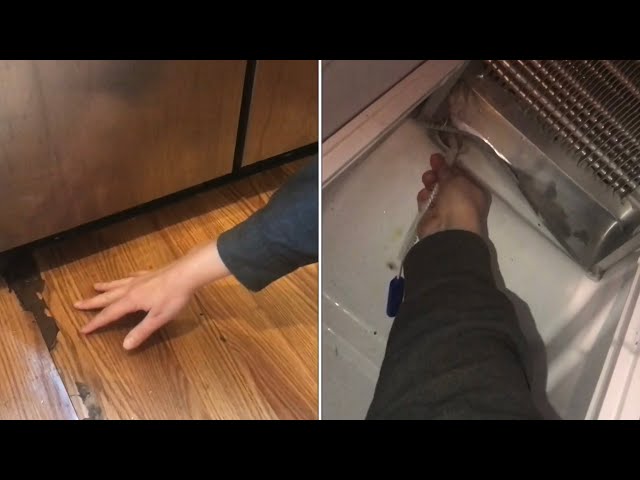
Youtube Video:
Quick Wiring Specifications & Terminal Guide
| Component / Circuit | Standard Wire Gauge | Recommended Protection |
|---|---|---|
| Control & Trigger Signals | 18 – 20 AWG | 5A – 7.5A Inline Fuse |
| Standard Auxiliary Load | 14 – 16 AWG | 15A – 20A Circuit Breaker |
| Main Power Feed / Supply | 10 – 12 AWG | 30A – 40A Heavy-Duty Relay |
Images References
Looking for more diagnostic guides? Explore our complete Refrigerator Problems 1 section for step-by-step troubleshooting solutions.
