Introduction
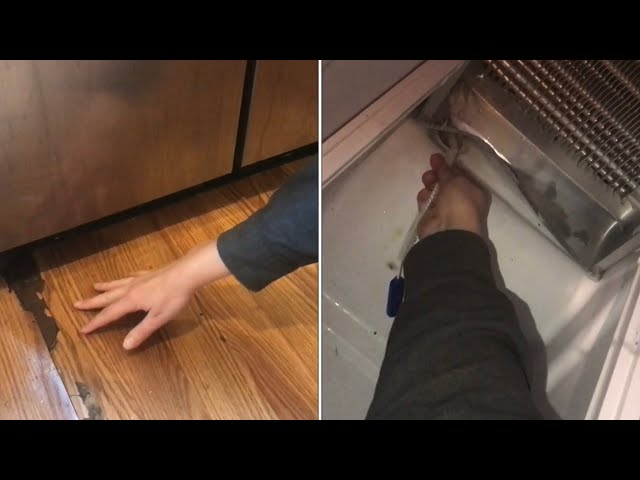
Discovering water pooling beneath your KitchenAid refrigerator can be frustrating. Not only is it a potential safety hazard due to slippery floors, but it can also indicate a bigger problem with your appliance. These leaks often occur after cleaning, defrosting, or when the refrigerator is heavily used. Addressing the leak promptly is crucial to prevent floor damage, mold growth, and potential malfunctions of the refrigerator itself. This guide will walk you through troubleshooting steps to help you identify and resolve the issue before it escalates.
Common Causes of KitchenAid Refrigerator Leaking From Bottom
Here are some of the most frequent culprits behind a leaking KitchenAid refrigerator:
- Clogged Defrost Drain: Ice buildup can block the drain that carries water away during the defrost cycle, causing it to overflow.
- Frozen Water Line: If the water line supplying your ice maker or water dispenser freezes, it can crack and leak when it thaws.
- Loose Water Line Connection: The connections to the water line can loosen over time, leading to drips.
- Cracked Drain Pan: The drain pan catches water during defrosting; if cracked, it will leak.
- Defective Water Inlet Valve: A faulty valve can leak even when it’s supposed to be closed.
- Damaged Water Filter Housing: If the filter housing is cracked or improperly installed, water can escape.
- Door Seal Issues: A damaged or dirty door seal can cause condensation, which then drips down.
- Overfilled Ice Maker: Occasionally, the ice maker can overfill, leading to spills that eventually leak to the bottom.
Symptoms Checklist
Check these indicators to better understand the source of the leak:
- Water pooling under the front or back of the refrigerator.
- Ice buildup in the freezer section.
- Water dripping from the freezer compartment.
- A visible crack in the drain pan (usually located at the bottom).
- A hissing sound near the water inlet valve (usually at the back).
- Water leaking only when the ice maker is running.
- Water leaking after a defrost cycle.
How to Fix KitchenAid Refrigerator Leaking From Bottom Step-by-Step Guide
Follow these steps to troubleshoot the leak:
- Safety First: Unplug the refrigerator from the power outlet before starting any inspection or repair.
- Locate the Source: Carefully examine the area where the water is pooling to try and pinpoint the leak’s origin.
- Check the Defrost Drain: Open the freezer and locate the defrost drain (usually at the back wall, near the bottom).
- Clear the Drain: Use a turkey baster with warm water or a long, flexible object (like a pipe cleaner) to clear any blockage in the drain.
- Inspect the Water Line: Look for any signs of damage, cracks, or loose connections on the water line running to the refrigerator.
- Tighten Connections: If you find a loose connection, carefully tighten it with a wrench. Avoid over-tightening.
- Examine the Drain Pan: Locate the drain pan (usually beneath the refrigerator) and check for cracks or damage.
- Inspect the Water Filter Housing: Check the water filter housing (usually inside the refrigerator or at the back) for any signs of cracks or improper installation.
- Check the Door Seals: Inspect the door seals (gaskets) for any damage, tears, or debris that might be preventing a tight seal.
- Clean the Seals: Clean the door seals with a damp cloth and mild detergent.
- Monitor Ice Maker Operation: Observe the ice maker during operation to see if it’s overfilling or spilling ice.
- Defrost the Freezer: If you suspect ice buildup is the problem, manually defrost the freezer.
- Reconnect and Observe: Plug the refrigerator back in and monitor it for leaks over the next 24 hours.
- Repeat if Necessary: If the leak persists, repeat the troubleshooting steps, paying close attention to potential problem areas.
Fix the Issue Without Buying Parts
Here are a few things you can try before considering replacement parts:
- Reset the Refrigerator: Unplug the refrigerator for 10 minutes, then plug it back in. This can sometimes reset internal components.
- Thorough Cleaning: Clean all interior surfaces, including the back wall of the freezer, to remove any potential ice buildup or debris.
- Ensure Proper Leveling: Make sure the refrigerator is level. An uneven refrigerator can cause water to drain improperly.
- Inspect for Obstructions: Check for anything blocking the vents inside the refrigerator or freezer, which can affect airflow and cause condensation.
- Proper Loading: Avoid overpacking the refrigerator, as this can block vents and disrupt airflow.
When Replacement Might Be Necessary
If the leak persists after thorough troubleshooting, you may need to consider replacing a part. Here are some potential replacement scenarios (estimated costs are approximate and depend on the brand and specific part):
- Cracked Drain Pan: Replacing a cracked drain pan (approx. $20-$50).
- Defective Water Inlet Valve: Replacing a faulty water inlet valve (approx. $30-$70).
- Damaged Water Filter Housing: Replacing a cracked water filter housing (approx. $40-$80).
- Severely Damaged Door Seals: Replacing worn or damaged door seals (approx. $30-$60 per seal).
Safety Warning
- Always unplug the refrigerator before performing any troubleshooting or repairs.
- Be careful when working with water to avoid electric shock.
- Wipe up any spills immediately to prevent slips and falls.
- If you are uncomfortable performing any of these tasks, consult a qualified appliance repair technician.
Tools You May Need
- Screwdrivers (Phillips and flathead)
- Wrench
- Turkey baster or pipe cleaner
- Warm water
- Damp cloth
- Mild detergent
- Gloves
FAQ
Here are some frequently asked questions:
-
Q: Why is my KitchenAid refrigerator leaking only after I use the ice maker?
A: This often indicates a problem with the water inlet valve or the ice maker itself. Check for loose connections or a faulty valve. -
Q: How often should I clean the defrost drain?
A: It’s a good practice to clean the defrost drain every 6 months to prevent clogs. -
Q: What if the drain pan is full of water but not cracked?
A: This suggests that the defrost system is working, but the water isn’t evaporating properly. Check the refrigerator’s temperature settings. -
Q: My refrigerator is leaking, but I don’t have an ice maker or water dispenser. What could be the problem?
A: In this case, the most likely cause is a clogged defrost drain or a damaged drain pan.
Conclusion
Don’t let a leaky KitchenAid refrigerator dampen your spirits! By following these troubleshooting steps, you can often identify and resolve the issue yourself, saving time and money. If you’ve tried everything and the leak persists, don’t hesitate to contact a qualified appliance repair technician for professional assistance.
Youtube Video:
Looking for more useful options?
Check out recommended resources that others find helpful.