Introduction
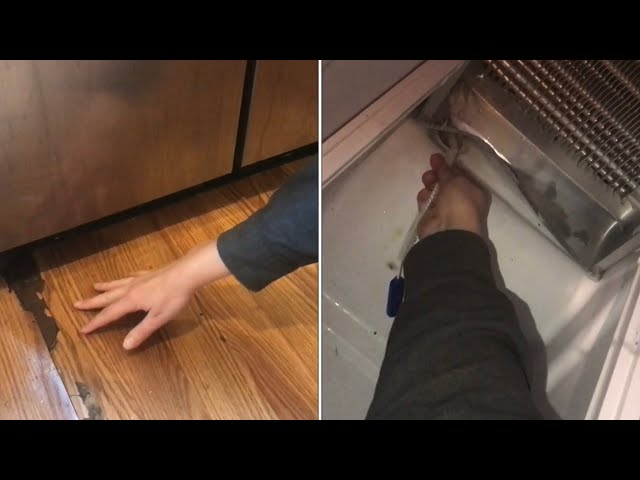
Finding water pooling under your KitchenAid refrigerator is a common household problem. It’s not only annoying but can also potentially damage your flooring. Leaks often appear unexpectedly and can range from a small drip to a significant puddle. Addressing the issue promptly is essential to prevent further water damage and potential mold growth. Let’s get to the bottom of this watery mystery!
Common Causes of KitchenAid Fridge Leaking Water From Bottom
Several factors can contribute to a fridge leak. Here are some of the most common culprits:
- Clogged Defrost Drain: This is the most frequent cause. Ice buildup can block the drain, causing water to overflow and leak.
- Frozen Water Line: If your fridge has an ice maker or water dispenser, the water line can freeze, leading to leaks as it thaws.
- Loose Water Line Connections: The connections to the water line can loosen over time, resulting in slow drips.
- Damaged Water Filter Housing: Cracks or loose seals in the water filter housing can cause leaks.
- Cracked or Damaged Drain Pan: The drain pan under the fridge catches excess water. If cracked, it will leak.
- Door Seal Issues: If the door seals are damaged or dirty, condensation can form and drip down.
- High Humidity: In humid environments, condensation can be excessive, leading to water accumulation.
- Overfilling the Fridge: Overpacking the fridge can block vents and cause condensation.
Symptoms Checklist
To accurately identify the issue, check for these symptoms:
- Water pooling under the refrigerator
- Ice buildup in the freezer
- Water dripping from the freezer compartment
- Visible cracks or damage to the drain pan
- Dampness around the water filter housing
- Frost accumulation on the back wall of the refrigerator
- Unusual noises coming from the refrigerator
How to Fix KitchenAid Fridge Leaking Water From Bottom Step-by-Step Guide
Follow these steps to troubleshoot and fix the leak:
- Unplug the Refrigerator: Before starting any work, unplug the fridge to prevent electric shock.
- Locate the Defrost Drain: This is usually located on the back wall of the freezer compartment, often behind a panel. Consult your fridge’s manual if needed.
- Melt the Ice Buildup: Use a hairdryer (on a low setting) to melt any ice clogging the drain. Be careful not to overheat any plastic parts.
- Clear the Drain: Once the ice is melted, use a long, flexible object like a pipe cleaner, a turkey baster, or a thin wire to clear any debris from the drain.
- Flush the Drain: Pour a cup of warm water down the drain to ensure its clear. You can add a tablespoon of baking soda to the water for better cleaning.
- Check the Water Line: Locate the water line at the back of the fridge. Ensure it is securely connected to both the fridge and the water supply valve.
- Tighten Connections: If you find any loose connections, gently tighten them with a wrench. Be careful not to overtighten.
- Inspect the Water Filter Housing: Locate the water filter housing, typically inside the fridge or at the front. Check for cracks or leaks.
- Replace the Water Filter: Even if the housing looks fine, a clogged water filter can sometimes cause issues. Replacing it might help.
- Inspect the Door Seals: Check the door seals (gaskets) around the refrigerator and freezer doors. Clean them with warm soapy water to remove any debris.
- Dry the Drain Pan: Locate the drain pan under the fridge (usually at the bottom-back). If it’s full, empty it. Inspect the pan for cracks or damage.
- Level the Refrigerator: An unlevel fridge can cause water to drain improperly. Use a level to check and adjust the feet of the fridge if needed.
- Plug in the Refrigerator: Once everything is checked and cleaned, plug the fridge back in.
- Monitor for Leaks: Keep an eye on the area under the fridge for a day or two to ensure the leak is resolved.
Fix the Issue Without Buying Parts
Before considering replacements, try these free fixes:
- Reset the Refrigerator: Unplug the fridge for 10-15 minutes and then plug it back in. This can sometimes reset the system and resolve minor issues.
- Deep Cleaning: A thorough cleaning of the refrigerator, including vents and coils, can improve its performance and prevent condensation.
- Proper Food Storage: Ensure food is properly sealed to reduce moisture buildup inside the fridge.
- Ventilation Check: Make sure the vents inside the fridge are not blocked by food containers.
When Replacement Might Be Necessary
If you’ve tried all the troubleshooting steps and the leak persists, a replacement part might be needed. Common parts that fail include:
- Defrost Heater: If the defrost heater fails, ice will build up and block the drain.
- Water Filter Housing: If cracked, it needs replacing.
- Drain Pan: A damaged drain pan requires replacement.
Replacement costs can vary depending on the part and model of your KitchenAid fridge, but expect to pay between $50 and $200 for most parts, excluding labor if you hire a technician.
Safety Warning
- Always unplug the refrigerator before performing any repairs.
- Be careful when using a hairdryer to melt ice, as water and electricity can be dangerous.
- Clean up any spilled water immediately to prevent slips and falls.
- If you are uncomfortable performing any of these steps, consult a qualified appliance repair technician.
Tools You May Need
- Screwdriver (Phillips and flathead)
- Wrench
- Pipe cleaner or flexible wire
- Hairdryer
- Warm water
- Baking soda
- Level
- Towels
FAQ
Q: Why is my KitchenAid fridge leaking even after I cleaned the defrost drain?
A: There might be a partial blockage further down the drain, or the defrost heater could be malfunctioning. Try flushing the drain with a stronger solution (vinegar and water), or consider calling a technician to check the defrost heater.
Q: How often should I clean the defrost drain?
A: It’s recommended to clean the defrost drain every 6 months, or more frequently if you notice ice buildup.
Q: My water filter is new, but the fridge is still leaking. What could be the problem?
A: Ensure the water filter is properly installed and the housing is not cracked. The leak could also be coming from a loose water line connection elsewhere.
Q: How do I know if the drain pan is cracked?
A: Remove the drain pan and inspect it closely for any cracks or damage. Fill it with water outside the fridge to confirm if it leaks.
Conclusion
Finding a KitchenAid fridge leaking water from bottom can be frustrating, but by following these steps, you can often diagnose and fix the problem yourself. Start with the simple solutions like cleaning the defrost drain and checking the water lines. Remember to prioritize safety and don’t hesitate to consult a professional if you’re unsure about any of the steps. Good luck, and happy troubleshooting!
Youtube Video:
Looking for more useful options?
Check out recommended resources that others find helpful.