
Introduction
A Kenmore washer that isn’t draining completely can be a real headache! It leaves your clothes soaking wet, making them difficult to transfer to the dryer and potentially leading to mold and mildew growth in your washer. This problem often shows up after a large load or when washing bulky items like blankets. It’s important to address this quickly to prevent further damage to your washer or your laundry room. Explore more in our Washing Machine Problems 4 collection.
💡 Technical Key Takeaways:
- Core Focus: Diagnostic schematic and terminal connection layout for Kenmore Washer Won T Drain All The Way.
- Target Scope: Field technicians, automotive DIYers, and residential/commercial electricians.
- Safety Rule: Always disconnect the primary power source/battery terminal and verify zero voltage with a multimeter before touching wires.
Common Causes of Kenmore Washer Won’t Drain All the Way
Here are some common reasons why your Kenmore washer isn’t draining properly:
- Clogged Drain Hose: A kinked or blocked drain hose restricts water flow.
- Blocked Drain Pump Filter: Lint, hair, and small objects can accumulate in the drain pump filter.
- Obstructed Drain Pump: Foreign objects, like coins or buttons, can jam the drain pump impeller.
- Kinked or Clogged Air Vent Hose: A blocked air vent hose prevents proper water flow during the draining process.
- Faulty Drain Pump: The drain pump motor may be failing and not generating enough power to pump out all the water.
- Clogged Standpipe: The standpipe (the pipe the drain hose empties into) may be clogged.
- Defective Lid Switch: Some washers won’t drain if the lid switch isn’t properly detecting that the lid is closed.
- Control Board Issues: Though rare, a malfunctioning control board can sometimes cause draining problems.
Symptoms Checklist
Check if you have these symptoms to pinpoint the problem:
- Washer stops mid-cycle with water remaining.
- Washer sounds like it’s trying to drain, but no water is exiting.
- Washer drains very slowly.
- You hear a humming or grinding noise during the drain cycle.
- Clothes are excessively wet after the wash cycle.
- Error code displayed on the washer’s control panel (refer to your user manual for specific error codes).
How to Fix Kenmore Washer Won’t Drain All the Way Step-by-Step Guide
Follow these steps to troubleshoot your Kenmore washer:
- Unplug the Washer: For safety, always disconnect the power cord from the outlet before starting any repairs.
- Inspect the Drain Hose: Check the drain hose for kinks, bends, or obstructions. Straighten out any kinks.
- Detach and Clean the Drain Hose: Disconnect the drain hose from both the washer and the standpipe. Flush it out with water to remove any debris.
- Check the Standpipe: Make sure the standpipe isn’t clogged. You can use a plumbing snake to clear any blockages.
- Locate the Drain Pump Filter: Refer to your washer’s user manual to find the drain pump filter location. It’s usually at the bottom front or back of the machine.
- Access the Drain Pump Filter: Place a shallow pan or towel beneath the filter access panel to catch any spilled water.
- Clean the Drain Pump Filter: Carefully unscrew the filter cap and remove the filter. Clean out any lint, hair, coins, or other debris.
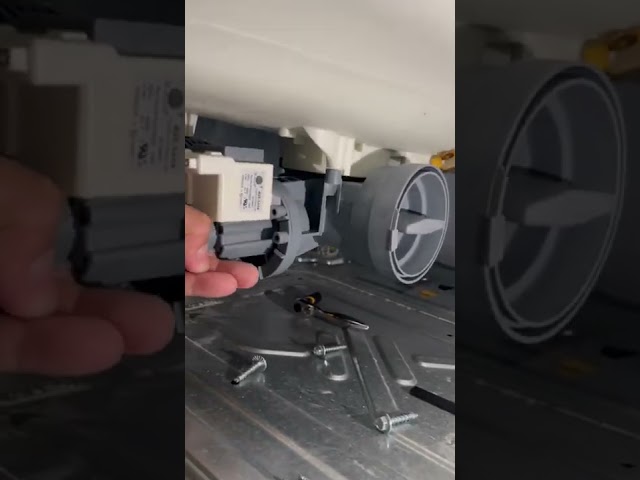
- Inspect the Drain Pump: Shine a flashlight into the drain pump housing. Check for any visible obstructions, like small objects stuck in the impeller.
- Manually Check the Drain Pump Impeller: If you can reach the impeller, try to turn it manually. If it’s stuck or difficult to turn, something is likely lodged in the pump.
- Check the Air Vent Hose: Locate the air vent hose (usually a small hose connected near the top of the washer). Ensure it’s not kinked or blocked.
- Check the Lid Switch: Try gently pressing the lid switch down while the washer is supposed to be draining (while unplugged!). If it seems loose or broken, it may be the issue.
- Reassemble and Test: Reinstall the drain pump filter and drain hose securely. Plug the washer back in and run a short drain cycle to see if the problem is resolved.
- Check for Error Codes: If the problem persists, refer to your washer’s user manual to see if any error codes are displayed. These codes can provide valuable clues about the issue.
Fix the Issue Without Buying Parts
Before you start thinking about replacing parts, try these free and easy solutions:
- Reset the Washer: Unplug the washer for a few minutes to reset the internal electronics. Plug it back in and try running a drain cycle.
- Clean the Washer Tub: Periodically run an empty washer cycle with a washer cleaner or a mixture of vinegar and baking soda to remove buildup that can contribute to drainage issues.
- Check and Clean the Air Gap (if applicable): Some washers have an air gap near the faucet. Make sure this is clear of any obstructions.
When Replacement Might Be Necessary
If you’ve tried all the troubleshooting steps and your Kenmore washer still isn’t draining, the drain pump itself may be faulty. Replacement costs can range from $50 to $150 for the pump, plus labor if you hire a technician. Another part that sometimes fails is the lid switch, which might cost $20-$50 to replace.
Safety Warning
- Always unplug the washer before attempting any repairs.
- Be careful when handling water and electricity. Avoid standing in puddles.
- If you are uncomfortable working with electrical appliances, consult a qualified technician.
Tools You May Need
- Screwdrivers (Phillips and flathead)
- Pliers
- Shallow pan or towels
- Flashlight
- Plumbing snake (for clearing standpipe clogs)
FAQ
Here are some frequently asked questions:
- Q: Why is my washer making a loud humming noise when it tries to drain? A: This often indicates a blockage in the drain pump or a failing drain pump motor.
- Q: How often should I clean the drain pump filter? A: It’s a good idea to clean it every 3-6 months, or more frequently if you wash a lot of pet bedding or items that produce a lot of lint.
- Q: My washer is draining slowly, but not completely. What could be the problem? A: This could be a partially clogged drain hose, a partially blocked drain pump filter, or a weak drain pump.
- Q: What if I can’t find the drain pump filter? A: Consult your washer’s user manual for the exact location of the drain pump filter.
Conclusion
Troubleshooting a Kenmore washer that won’t drain completely can seem daunting, but by following these steps, you can often resolve the issue yourself. Remember to start with the simplest solutions, like checking the drain hose and filter, before moving on to more complex repairs. If you’ve exhausted all the troubleshooting options and are still having problems, don’t hesitate to call a qualified appliance repair technician for assistance. Good luck!. Discover more free resources across our collection library.
Youtube Video:
Quick Wiring Specifications & Terminal Guide
| Component / Circuit | Standard Wire Gauge | Recommended Protection |
|---|---|---|
| Control & Trigger Signals | 18 – 20 AWG | 5A – 7.5A Inline Fuse |
| Standard Auxiliary Load | 14 – 16 AWG | 15A – 20A Circuit Breaker |
| Main Power Feed / Supply | 10 – 12 AWG | 30A – 40A Heavy-Duty Relay |
