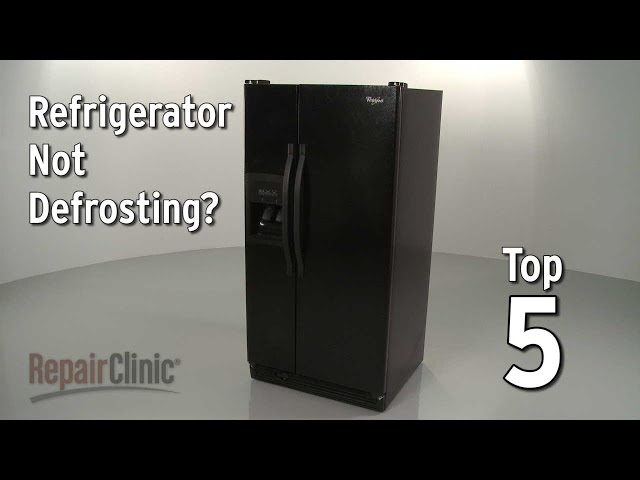
Introduction
A Kenmore refrigerator that isn’t defrosting properly can lead to a frustrating and inconvenient situation. Ice buildup in the freezer compartment will reduce available space, and more importantly, it can significantly impact your refrigerator’s ability to keep food at the right temperature. This can cause food spoilage, leading to unnecessary waste and potential health concerns. If you notice excessive ice forming in your freezer, or if your refrigerator section isn’t as cold as it should be, it’s crucial to address the defrosting issue promptly. Ignoring this problem can eventually lead to more serious and costly repairs.
Common Causes of Kenmore Refrigerator Not Defrosting
Here are some of the most frequent reasons why your Kenmore refrigerator might fail to defrost:
- Defrost Timer Malfunction: The defrost timer controls when the defrost cycle starts and stops. If it’s broken, the cycle may not initiate.
- Defrost Heater Failure: The defrost heater melts the frost. If it’s burned out, it can’t do its job.
- Defrost Thermostat Issues: The defrost thermostat monitors the freezer temperature and tells the heater when to turn on. A faulty thermostat won’t trigger the defrost cycle.
- Blocked Defrost Drain: Ice or debris can clog the drain that carries away melted frost. This causes water to back up and refreeze.
- Faulty Defrost Control Board: On newer models, the defrost cycle is controlled by an electronic control board, which can sometimes fail.
- Damaged Door Seal: A worn or damaged door seal allows warm, moist air to enter the freezer, increasing frost buildup.
- Overfilled Freezer: Overpacking the freezer can restrict airflow and contribute to ice formation.
- Dirty Condenser Coils: Dirty coils reduce the refrigerator’s efficiency, potentially affecting the defrost cycle.
Symptoms Checklist
Here are some signs indicating a possible defrost problem:
- Excessive ice buildup on the back wall of the freezer.
- Food in the freezer covered in ice crystals.
- Refrigerator compartment not as cold as usual.
- Water pooling at the bottom of the freezer.
- Unusual noises coming from the refrigerator.
- The defrost cycle is not running (typically you hear a click and see some melting).
How to Fix Kenmore Refrigerator Not Defrosting Step-by-Step Guide
Follow these steps to troubleshoot your Kenmore refrigerator:
- Unplug the Refrigerator: For safety, always disconnect the refrigerator from the power outlet before starting any troubleshooting or repair work.
- Empty the Freezer: Remove all food items from the freezer and place them in a cooler to prevent thawing.
- Remove the Back Panel: Inside the freezer, locate and remove the back panel covering the evaporator coils. You’ll likely need a screwdriver or nut driver.
- Inspect for Ice Buildup: Examine the evaporator coils for excessive ice buildup. This is a key indicator of a defrost problem.
- Locate the Defrost Heater: The defrost heater is usually located at the bottom of the evaporator coils. It may be a glass tube or a metal coil.
- Inspect the Defrost Heater: Visually check the heater for any signs of damage, such as breaks or burns.
- Locate the Defrost Thermostat: This is a small sensor clipped to the evaporator coils.
- Check the Defrost Drain: Locate the drain hole at the bottom of the freezer compartment. Pour warm water down the drain to see if it’s blocked.
- Clear the Defrost Drain: If the drain is clogged, use a turkey baster, a long pipe cleaner, or a thin wire to clear the blockage.
- Melt Excess Ice: If there is a lot of ice, use a hair dryer on a low setting to melt it. Be careful not to melt plastic parts. Do not use sharp objects to scrape the ice.
- Reassemble the Freezer: Once you’ve cleared the ice and checked the components, reattach the back panel.
- Plug in the Refrigerator: Plug the refrigerator back into the power outlet.
- Monitor the Refrigerator: Allow the refrigerator to run for 24 hours and monitor its performance. Check for ice buildup and proper cooling.
- Initiate a Manual Defrost Cycle (if possible): Some Kenmore models have a button or setting to manually initiate a defrost cycle. Refer to your owner’s manual.
Fix the Issue Without Buying Parts
Here are some free methods to try before considering part replacements:
- Reset the Refrigerator: Unplug the refrigerator for 30 minutes to reset the system. This can sometimes resolve minor issues.
- Clean the Condenser Coils: Use a vacuum cleaner with a brush attachment to remove dust and debris from the condenser coils (usually located at the back or bottom of the refrigerator). This improves cooling efficiency.
- Inspect the Door Seals: Clean the door seals with a damp cloth to remove any dirt or grime. Ensure they are sealing tightly. A simple test is to close the door on a dollar bill; if you can pull it out easily, the seal is compromised.
- Avoid Overpacking: Ensure the freezer is not overfilled, allowing for proper air circulation.
When Replacement Might Be Necessary
If the above steps don’t resolve the issue, you may need to replace a faulty component. Common parts that fail include:
- Defrost Heater: $30-$70
- Defrost Thermostat: $20-$50
- Defrost Timer: $25-$60
- Defrost Control Board: $75-$150
If you’re not comfortable replacing these parts yourself, it’s best to call a qualified appliance repair technician.
Safety Warning
- Always unplug the refrigerator before working on it.
- Avoid working on electrical components with wet hands or on wet floors.
- Be careful when using a hairdryer to melt ice. Do not overheat plastic parts.
- If you are unsure about any repair, consult a qualified technician.
Tools You May Need
- Screwdriver (Phillips and flathead)
- Nut driver
- Hairdryer
- Turkey baster or thin wire
- Vacuum cleaner with brush attachment
- Multimeter (for testing electrical components – optional)
FAQ
- Why is my freezer icing up so quickly? A faulty door seal, frequent door openings, or an overfilled freezer can contribute to rapid ice buildup.
- How do I know if my defrost heater is working? After a defrost cycle, the evaporator coils should be free of ice. You can also use a multimeter to test the heater’s continuity.
- What if the defrost drain keeps clogging? Regularly flush the drain with warm water and a small amount of baking soda.
- How often should my Kenmore refrigerator defrost? Most refrigerators defrost every 6-12 hours.
- Can a dirty refrigerator cause defrost problems? Yes, dirty condenser coils and a poorly maintained interior can affect the refrigerator’s overall efficiency and contribute to defrost issues.
Conclusion
Troubleshooting a Kenmore refrigerator that isn’t defrosting can seem daunting, but by following these steps, you can often identify and resolve the issue yourself. Start with the simple fixes, like cleaning the coils and checking the drain. If those don’t work, consider testing the defrost components. Remember to prioritize safety and consult a professional if you’re not comfortable with any aspect of the repair. Fixing it yourself can save you money and give you a sense of accomplishment. Good luck!
Youtube Video:
Looking for more useful options?
Check out recommended resources that others find helpful.