Introduction
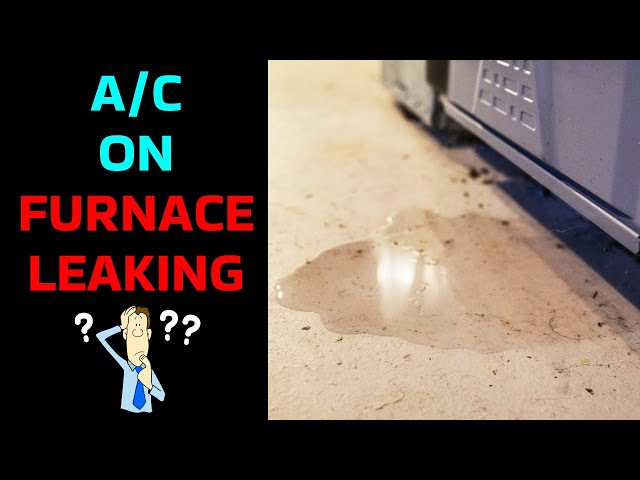
Discovering water leaking from your indoor HVAC unit can be alarming. It’s a sign something isn’t working as it should, and ignoring it can lead to bigger problems like mold growth, water damage to your floors and walls, and even damage to the HVAC system itself. Leaks often occur during periods of heavy use, such as hot summer days when the AC is running constantly. Addressing the leak promptly is crucial to prevent further damage and ensure your system runs efficiently.
Common Causes of indoor hvac unit leaking water
Here are some common reasons why your indoor HVAC unit might be leaking water:
- Clogged Condensate Drain Line: This is the most frequent culprit. The drain line carries water away from the unit, and if it’s blocked, water will back up and leak.
- Dirty Air Filter: A clogged air filter restricts airflow, causing the evaporator coil to freeze. When the ice melts, it overflows the drain pan.
- Broken or Cracked Drain Pan: The drain pan collects water from the evaporator coil. If it’s damaged, water will leak out.
- Low Refrigerant Levels: Low refrigerant can also cause the evaporator coil to freeze, leading to the same problem as a dirty air filter.
- Improper Installation: If the unit wasn’t installed correctly, the drain line might not be properly sloped, causing water to pool and leak.
- Condensate Pump Failure: Some units use a pump to remove water. If this pump fails, water won’t be properly drained.
- Dirty Evaporator Coil: Dirt and debris on the coil can restrict airflow and cause ice buildup.
- High Humidity: Extremely humid conditions can sometimes overwhelm the system’s ability to remove moisture, resulting in a small amount of leakage.
Symptoms Checklist
Use this checklist to help identify if your indoor HVAC unit is leaking:
- Visible water pooling around the indoor unit.
- Water stains on the ceiling near the unit.
- Damp or musty smell in the area.
- The unit is making unusual noises.
- The unit is not cooling as effectively as usual.
- You notice ice forming on the refrigerant lines or coils.
How to Fix indoor hvac unit leaking water Step-by-Step Guide
- Turn off the HVAC system: For your safety, switch off the power to the unit at the breaker.
- Inspect the Air Filter: Remove the air filter and check if it’s dirty. If so, replace it with a clean one.
- Locate the Condensate Drain Line: This is usually a PVC pipe located near the indoor unit.
- Check for Clogs: Look for any visible obstructions in the drain line.
- Clear the Drain Line: Use a wet/dry vacuum to suck out any clogs. Place the vacuum hose over the drain line opening and seal it tightly. Run the vacuum for a few minutes.
- Flush the Drain Line: Pour a cup of distilled white vinegar into the drain line opening. This can help dissolve minor clogs and prevent future buildup. Let it sit for about 30 minutes.
- Check the Drain Pan: Inspect the drain pan for cracks or damage. If you find any, the pan will likely need to be replaced.
- Ensure Proper Slope: Make sure the drain line is properly sloped downwards to allow for gravity drainage.
- Check the Condensate Pump (if applicable): If your unit has a condensate pump, ensure it’s working correctly. Listen for its normal operation sound when the unit is running.
- Clean the Evaporator Coil (if accessible): If you’re comfortable, carefully clean the evaporator coil with a soft brush and a coil cleaner. Be gentle to avoid damaging the fins.
- Dry the Area: Use towels or a wet/dry vacuum to clean up any standing water around the unit.
- Turn the System Back On: After you’ve addressed the potential causes, turn the power back on at the breaker and restart the HVAC system.
- Monitor for Leaks: Observe the unit closely for a few hours to see if the leak has stopped.
- If the Leak Persists: If the leak continues despite your efforts, it might be a sign of a more serious problem requiring professional help.
Fix the Issue Without Buying Parts
Before heading to the store, try these free methods:
- Reset the System: Turn off the unit at the breaker for 30 minutes, then turn it back on. This can sometimes resolve minor issues.
- Regular Cleaning: Regularly clean or replace your air filter to prevent future problems.
- Visual Inspection: Check all visible components for damage or obstructions.
- Maintenance Basics: Keep the area around the unit clean and free of debris.
When Replacement Might Be Necessary
If the drain pan is cracked or the condensate pump is failing despite cleaning, replacement might be necessary. A new drain pan can cost between $50 and $200, while a condensate pump can range from $100 to $300, depending on the model. Refrigerant leaks are best left to professionals as they require specialized tools and knowledge.
Safety Warning
- Always turn off the power to the HVAC unit at the breaker before attempting any repairs.
- Avoid touching any electrical components while the unit is powered on.
- Be careful when working with water and electricity.
- If you’re uncomfortable with any step of the process, consult a qualified HVAC technician.
- Avoid breathing in mold spores if you suspect mold growth. Wear a mask if necessary.
Tools You May Need
- Screwdriver (Phillips and flathead)
- Wet/dry vacuum
- Distilled white vinegar
- Soft brush
- Coil cleaner (optional)
- Towels
FAQ
Here are some frequently asked questions about indoor HVAC unit leaks:
- Q: How often should I clean my air filter? A: At least every 1-3 months, or more frequently if you have pets or allergies.
- Q: Can I use bleach to clear the drain line? A: While some people do, vinegar is a safer and more environmentally friendly option.
- Q: Why is my unit leaking only when it’s really hot outside? A: This could be due to increased condensation or a system that’s struggling to keep up with the demand.
- Q: How do I know if I have a refrigerant leak? A: Signs include weak cooling, ice buildup on the lines, and a hissing sound. Contact a professional for refrigerant issues.
Conclusion
Dealing with a leaking indoor HVAC unit can be frustrating, but by following these steps, you can often identify and resolve the issue yourself. Remember to prioritize safety and consult a qualified technician if you’re unsure about any part of the process. Don’t be afraid to tackle these simple fixes yourself. It will save you a lot of money if you start with the simplest troubleshooting steps before calling the technician.
Youtube Video:
Looking for more useful options?
Check out recommended resources that others find helpful.