Introduction
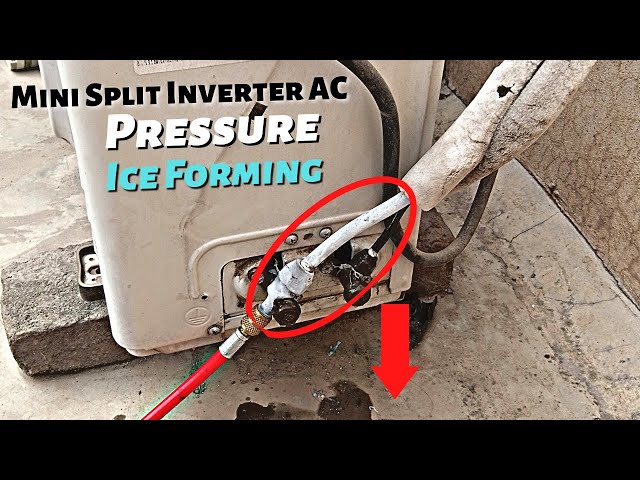
An icing problem in your split AC unit occurs when ice forms on the evaporator coils, typically located inside the indoor unit. This isn’t normal and signifies that something is preventing the unit from properly absorbing heat and cooling the air. Icing reduces the AC’s cooling efficiency and can even stop it from working altogether. Recognizing this issue quickly is important because continued operation with icing can damage the compressor, leading to expensive repairs. It’s more common during periods of high humidity or when the AC is used frequently on low settings.
Common Causes of Icing Problem in Split AC
Several factors can contribute to icing in your split AC unit:
- Low Refrigerant Levels: Insufficient refrigerant reduces the pressure and temperature within the cooling system, causing the evaporator coils to get too cold and freeze moisture.
- Dirty Air Filter: A clogged air filter restricts airflow, causing the coils to become excessively cold and leading to ice formation.
- Blocked Airflow: Obstructed vents or closed registers in other rooms can also restrict airflow, creating the same problem as a dirty filter.
- Dirty Evaporator Coils: Dust and grime on the evaporator coils act as insulation, preventing proper heat transfer and causing ice to form.
- Faulty Thermostat: A malfunctioning thermostat may not accurately read the room temperature, causing the AC to run constantly and potentially freeze up.
- Blower Motor Issues: If the blower motor is weak or failing, it won’t circulate enough air over the coils, leading to icing.
- Refrigerant Leaks: Even small refrigerant leaks can gradually reduce the system’s pressure and lead to icing.
- Low Ambient Temperature: Running the AC when the outside temperature is too low (below 60F or 15C) can cause the coils to freeze.
Symptoms Checklist
Look for these indicators to confirm an icing problem:
- Visible ice formation on the indoor unit’s evaporator coils.
- Reduced or no airflow coming from the vents.
- The AC unit runs constantly without effectively cooling the room.
- Unusual noises coming from the indoor unit (e.g., rattling, hissing).
- Water dripping from the indoor unit when the ice melts.
- Higher than usual energy bills.
How to Fix Icing Problem in Split AC Step-by-Step Guide
Follow these steps to troubleshoot and fix the icing problem:
- Turn off the AC unit: Switch off the AC at the thermostat and the circuit breaker to prevent further damage.
- Allow the ice to melt: Let the ice thaw completely. This might take several hours, or even overnight. You can speed up the process by using a fan to blow air over the iced coils. Place towels underneath to catch any dripping water.
- Check the air filter: Remove the air filter from the indoor unit and inspect it. If it’s dirty, clean or replace it. A clean air filter is crucial for proper airflow.
- Inspect for obstructions: Make sure that vents are open and not blocked by furniture, curtains, or other objects. Ensure proper airflow throughout the room.
- Clean the evaporator coils (if accessible): If you can access the evaporator coils (usually behind a removable panel), use a soft brush or vacuum with a brush attachment to gently remove dust and debris. Be careful not to damage the delicate fins.
- Check the thermostat settings: Ensure the thermostat is set to a reasonable temperature. Avoid setting it too low, as this can overwork the unit and contribute to icing.
- Check the blower fan: Turn the AC fan on (without engaging the cooling mode). Listen carefully to the blower fan motor. Does it sound weak or unusually loud? If so, it might need professional attention.
- Run the fan only: After the ice has melted, run the AC in fan-only mode for a few hours to help dry out the coils and prevent ice from reforming quickly.
- Restart the AC: Turn the AC back on and monitor its performance. See if the airflow is improved and if the unit is cooling effectively.
- Monitor for re-icing: Keep a close eye on the unit for the next 24-48 hours. If ice starts to form again, it indicates a more serious problem that requires professional assistance.
- Check for refrigerant leaks (visual inspection): Look for oily residue or frost accumulation on the refrigerant lines, especially at the connections. These could be signs of a leak. (Note: This is a visual inspection only; refrigerant handling requires specialized equipment and certification).
Fix the Issue Without Buying Parts
Many icing problems can be resolved without purchasing new parts:
- Reset the AC: Turn off the AC at the breaker for 30 minutes, then turn it back on. This can sometimes reset the system and resolve minor issues.
- Deep Cleaning: Thoroughly clean or replace the air filter, and carefully clean the evaporator coils if accessible.
- Inspection: Regularly inspect the AC unit for any visible signs of damage or wear.
- Maintenance Basics: Keep the area around the outdoor unit free of debris, and ensure proper airflow to the indoor unit.
When Replacement Might Be Necessary
If the icing problem persists after trying the above steps, it may indicate a more serious issue requiring professional repair or component replacement. Common parts that may fail include:
- Blower Motor: If the blower motor is completely failing, it will need to be replaced.
- Thermostat: A faulty thermostat that consistently misreads the temperature will need to be replaced.
- Refrigerant Lines: Severely damaged refrigerant lines due to leaks may need professional repair or replacement.
Estimated costs for these repairs can range from $150 to $500+ depending on the part and labor costs. Always get a professional diagnosis before replacing any parts.
Safety Warning
- Always turn off the AC unit at the circuit breaker before performing any maintenance.
- Avoid working on the AC unit with wet hands or on wet floors.
- Do not attempt to repair refrigerant leaks yourself. Refrigerant handling requires specialized equipment and certification.
- If you are unsure about any step, consult a qualified HVAC technician.
Tools You May Need
Here’s a list of simple tools that can be helpful for troubleshooting:
- Screwdriver set (Phillips and flathead)
- Soft brush or vacuum with a brush attachment
- Air filter cleaner or replacement filter
- Flashlight
- Towels
FAQ
Here are some frequently asked questions about icing problems in split AC units:
- Q: How often should I change my air filter? A: Typically, you should change your air filter every 1-3 months, depending on usage and air quality.
- Q: Can I use my AC when there is ice forming? A: No, it is not recommended. Continued operation with icing can damage the compressor.
- Q: Why is my AC icing up even with a clean filter? A: It could be due to low refrigerant levels, a faulty thermostat, or other issues requiring professional attention.
- Q: Is it normal for some condensation to form on the coils? A: A small amount of condensation is normal, but excessive ice formation is not.
Conclusion
Troubleshooting an icing problem in your split AC unit can often be resolved with simple steps like cleaning the air filter and ensuring proper airflow. By following this guide, you can potentially save money and avoid costly repairs. However, if the issue persists or you’re uncomfortable performing any of these steps, don’t hesitate to call a qualified HVAC technician for assistance. A professional diagnosis and repair can ensure the longevity and efficiency of your AC system.
Youtube Video:
Looking for more useful options?
Check out recommended resources that others find helpful.