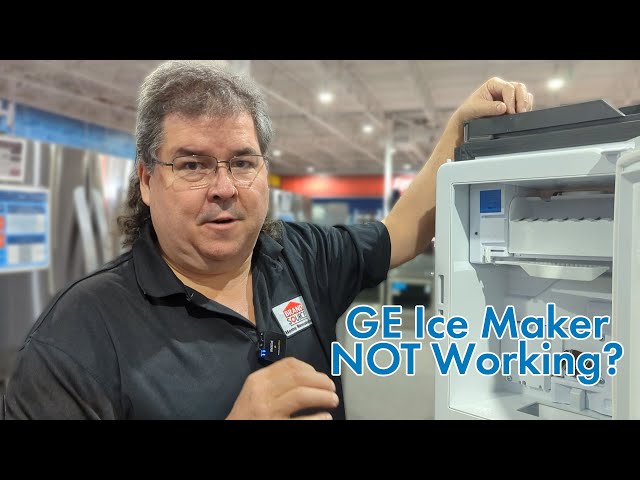
Introduction
A malfunctioning ice maker can be a real inconvenience, especially during warmer months. Imagine reaching for a cool drink and finding an empty ice bin. This is a common issue with GE refrigerators, and it’s often due to simple problems that you can fix yourself. Before you call a repair technician, this guide will walk you through the most common causes and troubleshooting steps to get your ice maker back up and running quickly. Time is of the essence, as a non-functioning ice maker can lead to melted ice, water leakage, and potential food spoilage if the freezer temperature is affected.
Common Causes of Ice Maker Not Working on My GE Refrigerator
Here are some of the most common reasons why your GE ice maker might not be working:
- The ice maker is turned off: It might sound obvious, but the ice maker switch can accidentally be turned off.
- Water supply issues: A kinked or frozen water line can prevent water from reaching the ice maker.
- Clogged water filter: A dirty water filter restricts water flow, hindering ice production.
- Freezer temperature too high: The freezer needs to be cold enough (around 0-5F) for ice to form.
- Ice jam: Ice can sometimes get stuck in the ice maker, preventing it from cycling.
- Faulty water inlet valve: This valve controls the flow of water to the ice maker; if it’s defective, no water will reach the ice maker.
- Broken ice maker module: The ice maker module controls the entire ice-making process, and a failure here can halt ice production.
- Freezer door not sealing properly: A poor seal can cause temperature fluctuations, affecting ice making.
Symptoms Checklist
Use this checklist to help pinpoint the problem:
- No ice production at all.
- Ice maker is making ice very slowly.
- Ice cubes are small or misshapen.
- Water is leaking from the ice maker area.
- The ice maker is making unusual noises.
- The ice maker is overflowing.
How to Fix Ice Maker Not Working on My GE Refrigerator Step-by-Step Guide
Follow these steps to troubleshoot your GE ice maker:
- Check the Power: Ensure the refrigerator is plugged in and receiving power.
- Verify the Ice Maker Switch: Make sure the ice maker is turned “on.” It’s usually a wire bail arm or a switch on the control panel.
- Check the Freezer Temperature: Verify that the freezer temperature is set between 0 and 5 degrees Fahrenheit (-18 to -15 degrees Celsius).
- Inspect the Water Line: Look for any kinks or bends in the water line running to the refrigerator. Straighten them out if necessary.
- Check the Water Filter: Locate the water filter (usually in the upper right corner of the refrigerator or at the bottom). If it’s been more than six months since you last changed it, replace it.
- Test the Water Pressure: Dispense water from the refrigerator’s water dispenser. If the water flow is weak, it could indicate a low water pressure issue.
- Defrost the Ice Maker: Sometimes, ice can build up and prevent the ice maker from working. Turn off the ice maker and let it thaw for a few hours, or use a hair dryer on a low setting to gently melt the ice.
- Clear Ice Jams: Manually remove any ice cubes stuck in the ice maker. Use a plastic utensil to avoid damaging the mechanism.
- Check the Ice Maker Arm: Make sure the ice maker arm (the wire bail) can move freely. If it’s stuck, gently dislodge it.
- Listen for the Water Inlet Valve: When the ice maker cycles, you should hear a faint humming noise as the water inlet valve opens to fill the ice tray. If you don’t hear this, the valve might be faulty.
- Try a Hard Reset: Unplug the refrigerator for 5 minutes, then plug it back in. This can sometimes reset the ice maker’s control board.
- Inspect the Freezer Door Seal: Check the rubber gasket around the freezer door for any tears or damage. A poor seal can cause temperature fluctuations that affect ice making.
- Clean the Ice Maker: Periodically clean the ice maker with a solution of baking soda and water. This removes mineral buildup that can impede performance.
Fix the Issue Without Buying Parts
Often, you can resolve ice maker problems without needing to buy any replacement parts. Start with the simplest solutions:
- Reset the Ice Maker: Many GE refrigerators have a reset button on the ice maker itself. Press and hold this button for 3-5 seconds to initiate a reset.
- Clean the Ice Maker: Use a mixture of warm water and baking soda to clean the ice maker components. This removes mineral deposits and ice buildup.
- Recalibrate the Freezer Temperature: Double-check the freezer temperature setting and adjust it as needed.
- Inspection Tips: Regularly inspect the water line, filter, and ice maker components for any signs of damage or wear.
- Maintenance Basics: Change the water filter every six months and periodically defrost the ice maker to prevent ice buildup.
When Replacement Might Be Necessary
If you’ve tried all the troubleshooting steps and your ice maker is still not working, a replacement part might be necessary. Common parts that fail include the:
- Water Inlet Valve: This controls the flow of water to the ice maker. (Estimated cost: $30-$60)
- Ice Maker Module: This controls the entire ice-making process. (Estimated cost: $80-$150)
- Water Filter Housing: If cracked or damaged, the housing can leak, impacting water pressure. (Estimated cost: $20-$50)
Consider consulting a qualified appliance repair technician before replacing any parts to ensure proper diagnosis and installation.
Safety Warning
Follow these safety precautions when working on your refrigerator:
- Always unplug the refrigerator from the power outlet before performing any repairs.
- Be careful when handling sharp tools or components.
- Avoid working on the refrigerator if the floor is wet.
- Consult a qualified technician if you are not comfortable performing the repairs yourself.
Tools You May Need
Here’s a list of tools that might come in handy:
- Screwdrivers (Phillips and flathead)
- Pliers
- Adjustable wrench
- Towels or rags
- Plastic scraper
- Baking Soda
FAQ
Here are some frequently asked questions:
-
Q: Why is my ice maker making small or hollow ice cubes?
A: This is usually caused by low water pressure or a clogged water filter. -
Q: How often should I change my refrigerator’s water filter?
A: It’s recommended to change your water filter every six months. -
Q: Why is my ice maker overflowing?
A: This can be caused by a faulty water inlet valve or an ice jam. -
Q: My ice maker is making a loud buzzing noise. What’s wrong?
A: This could indicate a problem with the water inlet valve or the ice maker motor. -
Q: How do I manually defrost my GE ice maker?
A: Turn off the ice maker, prop the freezer door open slightly, and place a towel underneath to catch any melting ice. Leave it for a few hours to defrost.
Conclusion
Troubleshooting a GE ice maker can seem daunting, but with these steps, you’re well-equipped to tackle many common issues. Remember to start with the simplest solutions first, like checking the power and water supply. If you’ve exhausted these options and the ice maker is still not working, don’t hesitate to consult a qualified appliance repair technician. Often a little DIY effort can save you a costly service call!
Youtube Video:
Looking for more useful options?
Check out recommended resources that others find helpful.