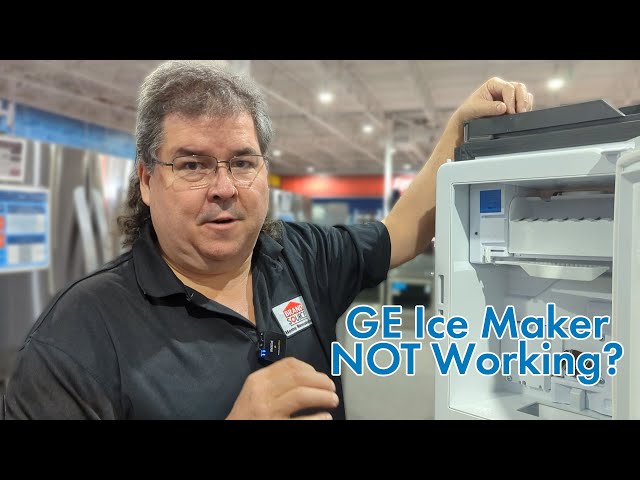
Introduction
A malfunctioning ice maker in your GE refrigerator can be a real inconvenience. Imagine needing ice for a refreshing drink on a hot day, only to find an empty ice bin! This issue is common, especially in older refrigerators or those with hard water supplies. The good news is that many ice maker problems are easily fixable without needing to call a professional. Addressing this problem quickly prevents food spoilage that could result from the door being open longer than normal or potential condensation inside the fridge.
Common Causes of ice maker not working ge fridge
Several factors can cause your GE refrigerator’s ice maker to stop producing ice. Here are some of the most common culprits:
- Frozen Water Line: A frozen water supply line prevents water from reaching the ice maker.
- Clogged Water Filter: A dirty or clogged water filter restricts water flow.
- Low Water Pressure: Insufficient water pressure can hinder ice production.
- Ice Maker Arm Position: The ice maker arm may be in the “off” position, preventing ice production.
- Ice Jam: Ice cubes can get stuck in the ice maker, blocking new ice from being made.
- Faulty Water Inlet Valve: The valve that controls water flow to the ice maker might be malfunctioning.
- Broken Ice Maker Module: Internal components of the ice maker itself might be damaged or worn out.
- Freezer Temperature Too High: If the freezer isn’t cold enough, the ice maker won’t function correctly.
- Power Outage/Surge: A recent power event could have disrupted the ice maker’s operation.
Symptoms Checklist
Use this checklist to accurately identify the problem:
- No ice production at all.
- Ice maker produces small or hollow cubes.
- Ice maker cycles but doesn’t release any ice.
- Ice tastes or smells bad.
- Water dispenser also not working (indicates a possible water supply issue).
- Strange noises coming from the ice maker area.
How to Fix ice maker not working ge fridge Step-by-Step Guide
- Check the Ice Maker Arm: Make sure the ice maker arm is in the “on” or “down” position. If it’s up, the ice maker is turned off.
- Inspect the Freezer Temperature: Verify that the freezer temperature is set to between 0F and 5F (-18C to -15C). Adjust if necessary.
- Check the Water Supply Line: Locate the water supply line at the back of the refrigerator. Ensure it’s not kinked or blocked.
- Check Water Pressure: Verify water pressure. It should be at least 20 psi. If you have a well, check the pressure tank.
- Check and Replace the Water Filter: Locate the water filter (usually inside the refrigerator or behind the base grille). Replace it every 6 months, or sooner if you notice reduced water flow.
- Thaw a Frozen Water Line: If you suspect a frozen water line, unplug the refrigerator and allow it to thaw for several hours. You can also use a hairdryer (on a low setting) to gently warm the water line.
- Check the Water Inlet Valve: The water inlet valve is usually located at the back of the refrigerator, near the water supply line connection. Make sure it’s properly connected and not damaged.
- Clear Any Ice Jams: If you see ice stuck in the ice maker, carefully remove it. Use a plastic utensil to avoid damaging the ice maker.
- Reset the Ice Maker: Some GE refrigerators have a reset button on the ice maker. Press and hold the button for a few seconds to reset the ice maker. Consult your fridge’s manual to locate it.
- Clean the Ice Maker: Over time, mineral deposits can build up in the ice maker. Use a solution of equal parts water and vinegar to clean the ice maker components.
- Listen for Sounds: After attempting the fixes, listen carefully. Is the ice maker motor running? If you hear a hum, it may indicate a motor stall or blockage.
- Check Door Seals: Ensure the freezer door seals tightly. Warm air entering the freezer can affect ice production. Clean the seals if they’re dirty or damaged.
Fix the Issue Without Buying Parts
Before you consider replacing any parts, try these free methods:
- Reset: Perform a manual ice maker reset by pressing the reset button or unplugging the fridge for 30 minutes.
- Cleaning: Thoroughly clean the ice maker and surrounding area to remove any debris or ice buildup.
- Recalibration (If Applicable): Some GE models have a recalibration cycle. Consult your owner’s manual for instructions.
- Inspection Tips: Visually inspect all components for any obvious signs of damage or wear.
- Maintenance Basics: Regularly replace the water filter and clean the ice maker to prevent future problems.
When Replacement Might Be Necessary
If you’ve tried all the troubleshooting steps and the ice maker still isn’t working, a replacement part might be needed. Common parts that fail include:
- Water Inlet Valve: Estimated cost: $30-$70.
- Ice Maker Module: Estimated cost: $80-$200.
- Water Filter Housing: Estimated cost: $20-$50.
Consider calling a qualified appliance repair technician for an accurate diagnosis and repair if you’re uncomfortable replacing parts yourself.
Safety Warning
- Always unplug the refrigerator from the power outlet before performing any repairs.
- Avoid using sharp objects to remove ice, as this could damage the ice maker.
- Be careful when handling electrical components. If you’re not comfortable working with electricity, call a professional.
- Wear safety glasses to protect your eyes from debris.
- Clean up any spills immediately to prevent slips and falls.
Tools You May Need
- Screwdrivers (Phillips and flathead)
- Pliers
- Adjustable wrench
- Multimeter (for testing electrical components – optional)
- Plastic scraper
- Clean cloths
- Bucket or container (to catch water)
FAQ
Here are some frequently asked questions about GE refrigerator ice makers:
-
Q: Why is my ice maker making small or hollow cubes?
A: This is usually caused by low water pressure or a clogged water filter. -
Q: How often should I replace my water filter?
A: Replace your water filter every 6 months, or sooner if you notice reduced water flow. -
Q: How do I reset my GE ice maker?
A: Locate the reset button on the ice maker (consult your owner’s manual). Press and hold the button for a few seconds. -
Q: What if the water dispenser isn’t working either?
A: This indicates a likely problem with the water supply line or water filter. Check both. -
Q: My ice maker makes a grinding noise. What’s wrong?
A: This could indicate a problem with the ice maker motor or internal components. It might need repair or replacement.
Conclusion
Troubleshooting a non-working ice maker in your GE fridge can often be done with some simple checks and maintenance. Hopefully, this guide has empowered you to resolve the issue yourself. Before you call a technician, carefully go through these steps one more time. If you’re still having problems, it might be time to seek professional help. But with a little effort, you can often get your ice maker back up and running!
Youtube Video:
Looking for more useful options?
Check out recommended resources that others find helpful.