Introduction
Finding that your GE refrigerator’s ice maker has stopped working can be frustrating, especially during warmer months. No ice means no chilled drinks for you or your family! Many homeowners experience this issue, and luckily, most of the time it’s something you can resolve yourself without needing to call a professional. Addressing it promptly is important to prevent food spoilage due to temperature fluctuations and to ensure you have a steady supply of ice whenever you need it.
Common Causes of ice maker in ge fridge not working
There are several reasons why your GE ice maker might not be producing ice:
- The ice maker is turned off: It sounds simple, but often the ice maker switch or setting has been accidentally deactivated.
- Water supply issues: A kinked or frozen water line prevents water from reaching the ice maker.
- Water filter clogged: A dirty water filter restricts water flow to the ice maker.
- Ice blockage: Ice jams within the ice maker or dispenser chute can halt ice production.
- Freezer temperature too high: The freezer needs to be cold enough (around 0-5F or -18 to -15C) for ice to form.
- Faulty water inlet valve: This valve controls the flow of water to the ice maker; if it fails, no water, no ice.
- Ice maker arm is in the ‘off’ position: Some models have a wire arm that, when raised, stops ice production.
- Defective ice maker module: The ice maker module controls the harvesting and dispensing cycle.
- Low water pressure: Insufficient water pressure to your fridge can impact ice maker performance.
Symptoms Checklist
Use this checklist to accurately identify the issue:
- No ice is being produced.
- The ice maker is not making any noise.
- Water is not flowing into the ice maker.
- Ice cubes are small or misshapen.
- Ice dispenser is blocked.
- The freezer temperature is warmer than usual.
- You hear a humming noise but no ice is produced.
How to Fix ice maker in ge fridge not working Step-by-Step Guide
Follow these steps to troubleshoot your GE ice maker:
- Check the Ice Maker Switch: Locate the power switch for the ice maker (usually a small toggle switch or a button) and ensure it’s turned “On”.
- Lower the Freezer Temperature: Make sure your freezer temperature is set between 0-5F (-18 to -15C). Give it a few hours to adjust.
- Inspect the Water Supply Line: Check the water line connected to the refrigerator for any kinks, bends, or damage. Straighten any kinks you find.
- Check the Water Filter: Replace the water filter if it’s been longer than six months or if you notice a decrease in water pressure. Refer to your fridge’s manual for the correct filter model and replacement instructions.
- Clear any Ice Blockages: Remove the ice bin and inspect the ice maker and dispenser chute for any ice jams. Use a plastic utensil (not metal!) to carefully break up any ice blockages.
- Check the Ice Maker Arm: If your model has a wire shut-off arm, make sure it is in the “down” position. This allows the ice maker to produce ice.
- Manually Cycle the Ice Maker: Some GE ice makers have a test or reset button. Press and hold this button (usually located on the side or bottom of the ice maker) for a few seconds to initiate a harvest cycle.
- Listen for the Water Valve: After initiating a harvest cycle, listen for the water inlet valve opening and filling the ice maker tray. If you don’t hear anything, the valve might be faulty.
- Check Water Pressure: Low water pressure to your home can impact the ice maker. Ensure you have adequate water pressure (at least 20 psi) to the refrigerator.
- Defrost the Ice Maker: If you suspect ice buildup, unplug the refrigerator for a few hours to allow the ice maker to thaw completely.
- Inspect the Ice Maker Fill Tube: The tube that delivers water to the ice maker might be frozen. Try thawing it carefully with a hairdryer on a low setting.
Fix the Issue Without Buying Parts
Here are some free methods to try before considering part replacement:
- Reset: As mentioned before, try pressing and holding the reset button on the ice maker to initiate a cycle.
- Cleaning: Regularly clean the ice bin and surrounding area to prevent mold and bacteria buildup.
- Inspection: Regularly inspect the water line and filter for any visible issues.
- Maintenance: Replace your water filter every six months to maintain optimal water flow and ice quality.
When Replacement Might Be Necessary
If you’ve tried all the troubleshooting steps and the ice maker still isn’t working, a part might need replacing. Common parts that fail include:
- Water Inlet Valve: Estimated cost: $30 – $70 USD.
- Ice Maker Module: Estimated cost: $80 – $150 USD.
Consider consulting a qualified appliance repair technician for diagnosis and repair.
Safety Warning
- Always unplug the refrigerator before attempting any repairs.
- Be careful when handling water near electrical components.
- Avoid using metal tools inside the ice maker to prevent damage.
- If you are uncomfortable with any of these steps, contact a qualified appliance repair technician.
- Ensure the floor is dry to prevent slips and falls.
Tools You May Need
- Screwdriver (Phillips and flathead)
- Pliers
- Adjustable wrench
- Towel or sponge
- Plastic utensil (for clearing ice blockages)
FAQ
Here are some frequently asked questions about GE ice maker problems:
- Q: How do I reset my GE ice maker? A: Locate the reset button on the ice maker (usually on the side or bottom) and press and hold it for a few seconds.
- Q: Why is my GE ice maker making small or hollow cubes? A: This is often caused by low water pressure or a partially clogged water filter. Check both.
- Q: How often should I replace my water filter? A: It is generally recommended to replace your water filter every six months.
- Q: My ice maker is overflowing. What should I do? A: This could be due to a faulty water inlet valve or a blockage in the drain. Inspect both.
Conclusion
Troubleshooting a GE ice maker can be a straightforward process with these steps. Try these solutions before calling a technician. Many issues are easily resolved with a little patience and the right information. However, if you are uncomfortable or unsure about any of the steps, don’t hesitate to contact a qualified appliance repair technician for assistance. Good luck!
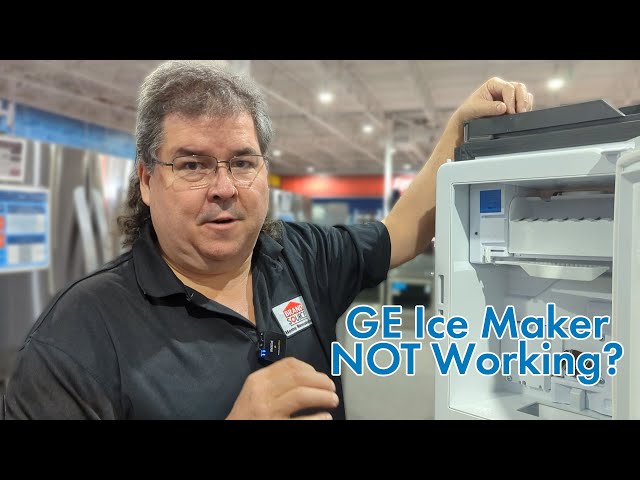
Youtube Video:
Looking for more useful options?
Check out recommended resources that others find helpful.