Introduction
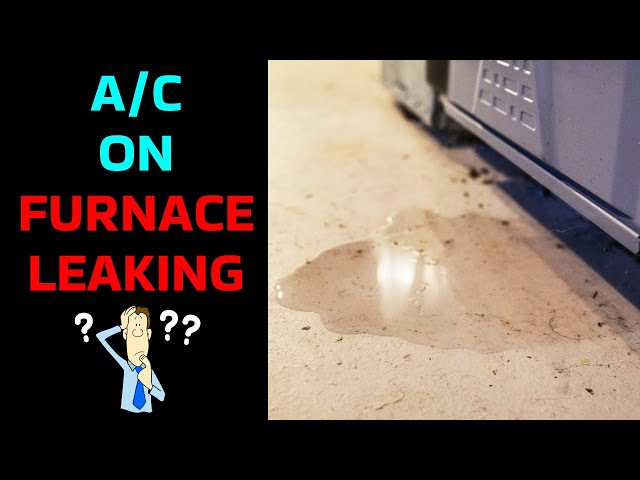
Discovering your HVAC unit is leaking water can be concerning, and rightfully so. Water leaks can cause damage to your home, encourage mold growth, and indicate underlying issues with your system. It commonly happens during periods of heavy AC usage in the summer, but can occur anytime. Addressing this problem promptly can prevent costly repairs and ensure your system operates efficiently. This guide will walk you through the common causes of leaks and provide step-by-step instructions to diagnose and potentially fix the problem yourself.
Common Causes of HVAC Unit is Leaking Water
There are several reasons why your HVAC unit might be leaking water. Here are some of the most common:
- Clogged Condensate Drain Line: This is the most frequent culprit. The drain line carries water away from the unit, and if it’s blocked, the water backs up and overflows.
- Dirty Air Filter: A clogged air filter restricts airflow, causing the evaporator coil to freeze. When the ice melts, it can overwhelm the drainage system.
- Broken Condensate Pump: Some systems, especially those in basements or attics, use a pump to move water to a drain. If the pump fails, water will accumulate.
- Cracked or Rusted Drain Pan: The drain pan collects condensation. Over time, it can corrode or crack, leading to leaks.
- Low Refrigerant Levels: Low refrigerant can cause the evaporator coil to freeze, resulting in excess water when the ice melts.
- Improperly Installed or Leveled Unit: If the unit isn’t level, water may not drain properly.
- High Humidity: Extremely humid conditions can sometimes overwhelm the system’s ability to remove moisture, leading to slight overflow.
- Blocked Evaporator Coil: A dirty evaporator coil can freeze up like a dirty air filter.
Symptoms Checklist
Use this checklist to accurately identify the source of the issue:
- Water pooling around the indoor unit (furnace or air handler).
- Water stains on the ceiling below the indoor unit.
- A musty or moldy odor near the unit.
- Visible ice formation on the evaporator coil.
- The unit is running constantly but not cooling effectively.
- Water dripping from the unit’s drain line outside the house. (This is normal when the AC is running, but a large amount or constant dripping when the AC is off may indicate a problem).
- The condensate pump (if your unit has one) is making unusual noises or not running at all.
How to Fix HVAC Unit is Leaking Water Step-by-Step Guide
Follow these steps to troubleshoot your leaking HVAC unit:
- Turn off the HVAC system: Before you start, switch off the unit at the thermostat and the circuit breaker to ensure your safety.
- Inspect the Air Filter: Remove the air filter and check if it’s dirty. If it is, replace it with a new one. A clean air filter ensures proper airflow.
- Locate the Condensate Drain Line: This is usually a PVC pipe near the indoor unit. It may run to a floor drain, an outside wall, or into a condensate pump.
- Check the Drain Line Opening: Look at the end of the drain line where it exits the house. Is it blocked by debris, leaves, or insects? Clear any visible obstructions.
- Flush the Drain Line with Vinegar: Pour about a cup of white vinegar into the drain line opening inside the house. Let it sit for about 30 minutes to dissolve any buildup.
- Use a Wet/Dry Vacuum to Clear the Drain Line: Attach the hose of a wet/dry vacuum to the end of the drain line outside the house. Seal the connection as best as possible. Turn on the vacuum for a few minutes to suck out any remaining clogs.
- Check the Condensate Pump (if applicable): If your system has a condensate pump, check if it’s working. Listen for the motor running when the unit is active. Make sure the pump is plugged in and the float switch (if present) is moving freely.
- Inspect the Drain Pan: Locate the drain pan underneath the indoor unit. Check for cracks, rust, or standing water. If you see cracks or rust, the pan may need to be replaced.
- Check for Frozen Evaporator Coil: If you suspect a frozen coil (especially if the air filter was dirty), turn the system off and allow it to thaw for several hours. You can speed up the process with a fan.
- Clean the Area: Once the leak is fixed, clean up any water that has accumulated to prevent mold growth.
- Restart the System: Turn the circuit breaker back on and set the thermostat to your desired temperature. Observe the unit for further leaks.
- Monitor the Unit: Keep an eye on the HVAC system for the next few days to ensure the leak is resolved.
Fix the Issue Without Buying Parts
Many times, you can resolve a water leak without immediately purchasing replacement parts:
- Regular Air Filter Replacement: Replace your air filter every 1-3 months to prevent airflow restrictions.
- Routine Drain Line Flushing: Flush your condensate drain line with vinegar every few months to prevent clogs.
- Visual Inspection: Regularly inspect your HVAC system for signs of leaks, rust, or other damage.
- Ensure Proper System Leveling: Check that the unit is level to ensure proper drainage.
When Replacement Might Be Necessary
While many leaks can be fixed with simple troubleshooting, some situations may require professional help or even component replacement:
- Cracked Drain Pan: A badly cracked drain pan needs to be replaced. Expect to pay $100 – $300 for the part and labor.
- Faulty Condensate Pump: A broken condensate pump will require replacement. New pumps can cost between $50 and $200.
- Refrigerant Leak: Low refrigerant requires a professional to locate and repair the leak, then recharge the system. This can cost $200-$800 depending on the complexity.
Safety Warning
Keep these safety precautions in mind while troubleshooting:
- Always turn off the power to the HVAC unit at the circuit breaker before performing any maintenance or repairs.
- Avoid working with electrical components if you are not comfortable or experienced. Call a qualified technician instead.
- Be careful when handling chemicals like vinegar. Avoid contact with eyes and skin.
- Clean up any spills immediately to prevent slips and falls.
Tools You May Need
Here’s a list of tools that may be helpful for troubleshooting:
- Screwdrivers (Phillips and flathead)
- Wet/dry vacuum
- White vinegar
- New air filter
- Flashlight
- Gloves
FAQ
Here are some frequently asked questions about HVAC water leaks:
- Q: Why is my HVAC unit leaking water even when it’s not running? A: This usually indicates a clog in the condensate drain line or a cracked drain pan.
- Q: How often should I clean my condensate drain line? A: It’s recommended to clean it every 3-6 months to prevent clogs.
- Q: Can I use bleach instead of vinegar to clean the drain line? A: While bleach can be effective, it can also corrode metal components over time. Vinegar is a safer and more eco-friendly option.
- Q: How can I tell if my evaporator coil is frozen? A: If your AC is not cooling properly and you notice ice forming on the coils inside the unit, it’s likely frozen.
Conclusion
Dealing with a leaking HVAC unit can be frustrating, but with these steps, you can confidently diagnose and potentially fix the problem yourself. Remember to prioritize safety and perform regular maintenance to prevent future issues. If you’re uncomfortable with any of these steps or the problem persists, don’t hesitate to call a qualified HVAC technician. Taking proactive steps can save you money and keep your home comfortable.
Youtube Video:
Looking for more useful options?
Check out recommended resources that others find helpful.