Introduction
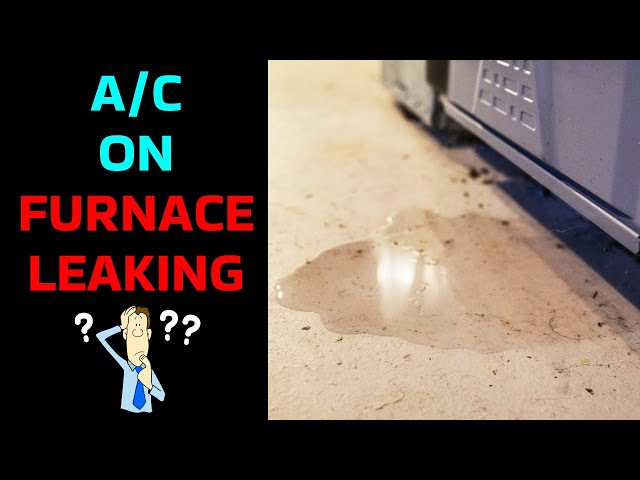
Finding water leaking from your HVAC system when the AC is running can be alarming. It’s a common issue, often happening during peak cooling season when the system is working hard. Ignoring the problem can lead to bigger issues like mold growth, water damage to your home, and even damage to the HVAC system itself. Addressing the leak promptly can save you money and headaches down the road.
Common Causes of HVAC Leaking Water When AC Is On
Here are some common reasons why your HVAC system might be leaking water:
- Clogged Condensate Drain Line: This is the most frequent culprit. The drain line carries water away from the system, and if it’s blocked, water will back up and overflow.
- Dirty Air Filter: A clogged filter restricts airflow, causing the evaporator coil to freeze. When the ice melts, it creates excess water that overwhelms the drain pan.
- Broken or Cracked Drain Pan: The drain pan catches condensation. If it’s damaged, water will leak.
- Low Refrigerant: Low refrigerant can cause the evaporator coil to get too cold and freeze, leading to melting ice and overflowing water.
- Improperly Installed Unit: If the unit isn’t level, the drain pan won’t drain correctly.
- Condensate Pump Failure: Some units use a pump to move water uphill. If the pump fails, water backs up.
- High Humidity: Extremely humid conditions can overwhelm the system’s ability to remove moisture, resulting in more condensation than usual.
- Kinked or Disconnected Drain Line: The drain line could be kinked, blocking water flow, or disconnected from the unit.
Symptoms Checklist
Look for these signs to confirm your HVAC system is leaking:
- Water pooling around the indoor unit (furnace or air handler).
- Water stains on the ceiling or walls near the unit.
- Dripping sounds coming from the unit.
- Musty or moldy odors in the area.
- The AC unit is running constantly but not cooling effectively.
How to Fix HVAC Leaking Water When AC Is On Step-by-Step Guide
Heres how to troubleshoot and potentially fix the leak:
- Turn off the AC: This is crucial for safety and to prevent further water damage.
- Locate the Indoor Unit: Find the furnace or air handler, usually in a basement, attic, or closet.
- Inspect the Area Around the Unit: Look for the source of the leak. Is it coming from the drain pan, the drain line, or somewhere else?
- Check the Air Filter: Remove the filter and examine it. Is it dirty or clogged? Replace it with a new one if needed.
- Find the Condensate Drain Line: This is usually a PVC pipe that exits the indoor unit and drains outside or into a floor drain.
- Check for Clogs in the Drain Line: Disconnect the drain line (if possible and safe) and use a wet/dry vacuum to suck out any clogs. You can also try using a stiff wire or pipe cleaner to dislodge debris.
- Flush the Drain Line: After clearing the clog, pour a cup of vinegar into the drain line opening to help prevent future buildup.
- Inspect the Drain Pan: Check the drain pan for cracks or damage. If you find any, it may need to be replaced.
- Ensure the Unit is Level: Use a level to check if the unit is sitting level. If not, shim it to ensure proper drainage.
- Check the Condensate Pump (if applicable): If your unit has a condensate pump, make sure it’s plugged in and functioning. Listen for it to run when the AC is on.
- Clean the Evaporator Coils: While not a direct fix for a leak, cleaning dirty coils can improve efficiency and prevent freezing. Use a coil cleaner available at most hardware stores.
- Reconnect the Drain Line: If you disconnected the drain line, reattach it securely.
- Turn the AC Back On: Monitor the unit for any leaks. If the leak persists, you may need to call a professional.
- Run the AC for several hours: If you have cleaned the drain, it could take time to fully remove excess standing water within the system. Run for 2-3 hours and monitor the leaking.
Fix the Issue Without Buying Parts
Many times, you can resolve the leak without buying new parts:
- Cleaning the drain line is often enough to solve the problem.
- Replacing a dirty air filter improves airflow and prevents coil freezing.
- Ensuring the unit is level allows for proper drainage.
- Resetting the AC unit by turning it off and on again can sometimes resolve minor issues.
- Regularly inspect the drain line for clogs to prevent future leaks.
When Replacement Might Be Necessary
Sometimes, replacement is the only option:
- Cracked Drain Pan: If the drain pan is severely cracked, it needs to be replaced. Cost: $50 – $200.
- Failed Condensate Pump: If the pump is no longer working, it needs to be replaced. Cost: $50 – $150.
- Severe Evaporator Coil Damage: Extensive corrosion or damage may require coil replacement, but this is often a major repair that approaches the cost of a new unit. Cost: $500-$1500
Safety Warning
- Always turn off the power to the AC unit at the breaker box before attempting any repairs.
- Be careful working with water and electricity. Avoid standing in water while working on the unit.
- If you’re not comfortable with any of these steps, call a qualified HVAC technician.
- Be aware of potential mold growth in areas where water has leaked. Clean and disinfect affected areas.
Tools You May Need
- Wet/dry vacuum
- Screwdrivers
- Adjustable wrench
- Level
- Pipe cleaner or stiff wire
- Vinegar
- New air filter
FAQ
Here are some frequently asked questions:
-
Q: Why is my AC only leaking water when it’s really hot outside?
A: Hotter temperatures and high humidity cause the AC to work harder, producing more condensation. If the drain line is partially clogged, it may only overflow when the AC is working at full capacity. -
Q: Can I use bleach to clean the drain line?
A: While bleach can kill bacteria, it can also corrode metal components. Vinegar is a safer and more effective option. -
Q: How often should I replace my air filter?
A: It depends on the type of filter and how often you use your AC, but generally, every 1-3 months is recommended. -
Q: How much does it cost to hire an HVAC technician to fix a leaking AC?
A: The cost varies depending on the complexity of the problem, but expect to pay between $75 and $300 for a service call and basic repairs. -
Q: Can a refrigerant leak cause water to leak from my unit?
A: Yes, low refrigerant will cause the system to freeze and when the ice melts it will overwhelm the drain pan and can cause a leak.
Conclusion
Finding your HVAC system leaking water can be frustrating, but many times the issue can be solved with some simple troubleshooting. By following these steps, you can often identify and fix the problem yourself, saving time and money. If you’re still experiencing issues after trying these steps, don’t hesitate to call a qualified HVAC technician for professional assistance. Starting with the basics will save you on a costly repair bill.
Youtube Video:
Looking for more useful options?
Check out recommended resources that others find helpful.