Introduction
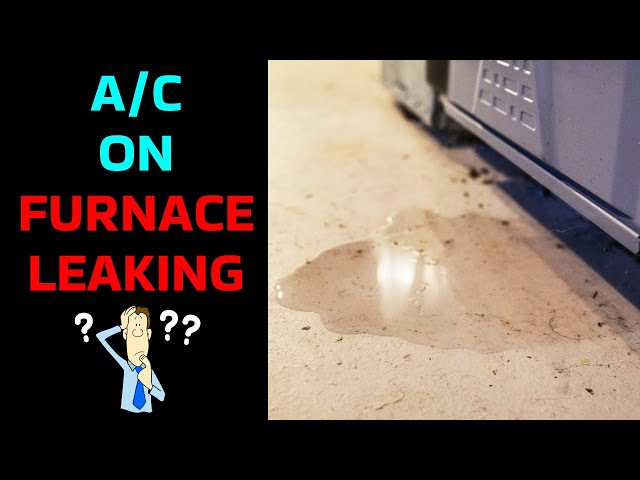
Discovering your HVAC unit is leaking can be alarming, but don’t panic! A leak indicates that something isn’t functioning correctly, and it’s essential to address it promptly to prevent further damage. Left unattended, a leaking HVAC can lead to mold growth, water damage to your home, and decreased efficiency of your system. It’s most common to notice leaks during periods of heavy HVAC use, such as the peak of summer or winter. This guide will walk you through the common causes and steps you can take to troubleshoot the issue, empowering you to resolve it yourself or determine when professional help is necessary.
Common Causes of HVAC is Leaking
Here are several reasons why your HVAC might be leaking:
- Clogged Condensate Drain Line: This is the most frequent culprit. The drain line carries away water that condenses during the cooling process. When blocked with algae, dust, or debris, water backs up and leaks.
- Dirty Air Filter: A dirty filter restricts airflow, causing the evaporator coil to freeze. When the ice melts, it can overwhelm the condensate drain pan.
- Damaged Condensate Pan: The pan under the evaporator coil collects condensation. If it’s cracked or rusted, water will leak.
- Broken Condensate Pump: Some HVAC systems use a pump to move water from the pan to the drain. If the pump fails, water can overflow.
- Refrigerant Leak: While less common as a water leak directly, a refrigerant leak can cause the system to work harder and create more condensation.
- Frozen Evaporator Coil: Low refrigerant levels, poor airflow, or a malfunctioning blower fan can cause the coil to freeze, leading to excessive water when it thaws.
- Improper Installation: A poorly installed unit might have incorrect drainage setup or other issues causing leaks.
- High Humidity: Extremely humid conditions can overwhelm the condensate system, causing drips.
Symptoms Checklist
Check if you’re experiencing any of these symptoms:
- Puddles of water near your indoor or outdoor HVAC unit.
- Water stains on your ceiling or walls near the unit.
- A musty odor coming from the unit or surrounding area.
- Your HVAC system is running constantly but not cooling effectively.
- Visible ice buildup on the evaporator coil.
- A dripping sound coming from the unit.
How to Fix HVAC is Leaking Step-by-Step Guide
Follow these steps to troubleshoot and potentially fix your leaking HVAC:
- Turn off the HVAC system: This is crucial for safety. Switch off the power to your HVAC unit at the breaker box.
- Locate the Condensate Drain Line: This is usually a PVC pipe located near your indoor unit. It may drain outside or into a floor drain.
- Check for Clogs: Look for any visible blockage at the drain line opening.
- Clear the Drain Line: Use a wet/dry vacuum to suck out any debris from the drain line opening. You can also use a stiff wire or a plumbing snake to dislodge clogs.
- Flush the Drain Line: Pour a cup of vinegar or diluted bleach into the drain line to kill algae and prevent future clogs. Let it sit for about 30 minutes, then flush with water.
- Inspect the Condensate Pan: Look for cracks, rust, or overflows in the pan under the evaporator coil.
- Clean the Condensate Pan: Remove any standing water and debris from the pan. You can use a mild detergent and water.
- Check the Air Filter: Remove the air filter and inspect it. If it’s dirty, replace it with a new one.
- Inspect the Evaporator Coil: If you can safely access it (usually behind a panel), check for ice buildup. If there’s ice, let it thaw completely before proceeding.
- Check the Condensate Pump (if applicable): Ensure the pump is plugged in and running. Listen for any unusual noises. If it’s not working, consult the manufacturer’s instructions.
- Check Refrigerant Lines (be cautious): Look for any signs of oil residue near refrigerant lines, this can indicate a refrigerant leak. Do not attempt to repair these yourself.
- Reconnect Power: Once you’ve completed the above steps and are confident everything is clear and dry, turn the power back on at the breaker box.
- Run the HVAC System: Turn on your HVAC system and monitor it for any leaks.
- Monitor for Recurring Leaks: If the leak persists, repeat the cleaning and inspection steps.
- Call a Professional: If you’ve tried these steps and the leak continues, it’s time to call a qualified HVAC technician.
Fix the Issue Without Buying Parts
Often, you can resolve a leaking HVAC system without purchasing new parts:
- Regular Cleaning: Clean your air filter monthly and the condensate drain line at least twice a year to prevent clogs.
- Proper Ventilation: Ensure good airflow around your indoor and outdoor units.
- Routine Inspections: Visually inspect your HVAC system regularly for any signs of leaks or damage.
- Professional Maintenance: Schedule annual maintenance with a qualified technician to identify and address potential problems early.
When Replacement Might Be Necessary
In some cases, replacement of parts might be needed:
- Cracked Condensate Pan: If the pan is severely cracked or rusted, it may need to be replaced. Expect to pay $50$200 for the part and potentially $100$300 for labor.
- Faulty Condensate Pump: A malfunctioning pump may need replacement. New pumps cost $50$150, and installation is usually straightforward.
- Refrigerant Leaks: Depending on the location and severity, refrigerant leaks can be costly to repair. A full recharge and leak repair could range from $200$800. In severe cases, consider replacing the entire unit.
Safety Warning
Keep these safety measures in mind:
- Always turn off the power to your HVAC unit before performing any maintenance or repairs.
- Be careful when working with electrical components. If you’re not comfortable, call a professional.
- Avoid contact with refrigerant. It can cause frostbite and other health problems.
- Wear safety glasses and gloves when cleaning the condensate drain line and pan.
- Be cautious of wet floors around the HVAC unit to prevent slips and falls.
Tools You May Need
Here’s a list of tools that can be helpful for troubleshooting HVAC leaks:
- Wet/dry vacuum
- Stiff wire or plumbing snake
- Screwdriver set
- Adjustable wrench
- Safety glasses
- Gloves
- Flashlight
- Vinegar or diluted bleach
FAQ
Here are some frequently asked questions about HVAC leaks:
-
Q: How often should I clean my condensate drain line?
A: At least twice a year, ideally before and after peak usage seasons. -
Q: Can a dirty air filter cause my HVAC to leak?
A: Yes, a dirty air filter can cause the evaporator coil to freeze, leading to leaks when it thaws. -
Q: Is it safe to use bleach to clean the condensate drain line?
A: Yes, but use it sparingly and dilute it with water to avoid damaging the pipes. -
Q: How do I know if I have a refrigerant leak?
A: Look for oil residue near refrigerant lines and reduced cooling performance. A professional HVAC technician can confirm with specialized equipment.
Conclusion
A leaking HVAC system can be a nuisance, but with a little troubleshooting, you can often identify and resolve the issue yourself. Remember to prioritize safety, and don’t hesitate to call a qualified technician if you’re unsure or uncomfortable with any step. By taking proactive steps to maintain your HVAC system, you can prevent future leaks and ensure efficient, trouble-free operation for years to come. Give these tips a try before calling a professional!
Youtube Video:
Looking for more useful options?
Check out recommended resources that others find helpful.