Introduction
A loud HVAC blower can be a real headache, and it’s more than just an annoying sound. It often indicates a problem with your heating or cooling system, potentially leading to reduced efficiency, higher energy bills, or even a complete system breakdown. A noisy blower can happen anytime, but it’s often noticed when you switch between heating and cooling seasons. Addressing the problem quickly is important to prevent further damage and keep your home comfortable.
Common Causes of HVAC Blower Loud
Here are some common reasons why your HVAC blower might be making excessive noise:
- Dirty Air Filter: A clogged filter restricts airflow, forcing the blower to work harder and potentially causing noise.
- Loose Blower Wheel: The blower wheel might be loose on the motor shaft, causing rattling or vibration.
- Debris in Blower Wheel: Small objects like leaves, dust, or even small toys can get sucked into the blower wheel, creating noise.
- Unbalanced Blower Wheel: An unbalanced blower wheel, often due to accumulated dirt, can cause vibrations and noise.
- Worn Blower Motor Bearings: The bearings in the blower motor can wear out over time, leading to a squealing or grinding noise.
- Loose or Damaged Ductwork: Rattling or vibrating ductwork can amplify blower noise.
- Blower Motor Issues: A failing blower motor can produce a variety of noises, including humming, buzzing, or clicking sounds.
- Restricted Airflow: Closed vents or blocked return air grilles can force the blower to overwork, making it louder.
Symptoms Checklist
Use this checklist to help identify the problem:
- Is the noise constant, or does it come and go?
- What kind of noise is it (rattling, squealing, grinding, humming, buzzing)?
- Does the noise change when you turn the system on or off?
- Does the noise change when you switch between heating and cooling?
- Have you recently changed your air filter?
- Are all your vents open and unobstructed?
How to Fix HVAC Blower Loud Step-by-Step Guide
Follow these steps to troubleshoot your noisy HVAC blower:
- Turn off the HVAC system: Go to your thermostat and turn the system OFF. Then, switch the breaker that controls your HVAC system OFF. Safety first!
- Inspect the Air Filter: Remove the air filter and check if it’s dirty. A dirty filter is the most common cause of a loud blower.
- Replace the Air Filter: If the filter is dirty, replace it with a new one of the correct size.
- Access the Blower Compartment: Locate the blower compartment. Usually, it’s a large metal box within your indoor unit. You may need a screwdriver to remove access panels.
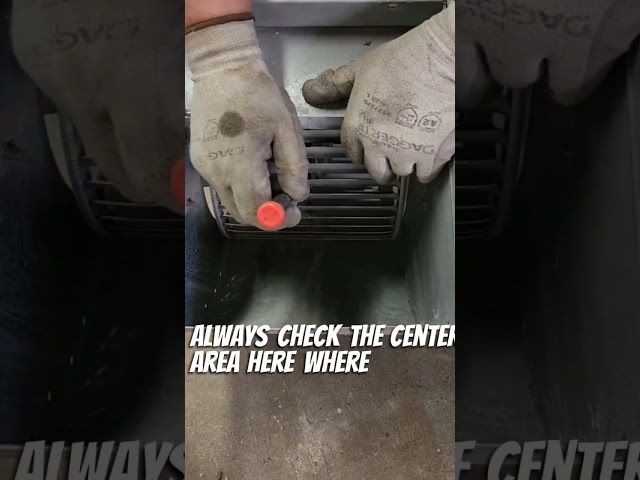
- Visually Inspect the Blower Wheel: Once the access panel is removed, look inside and inspect the blower wheel for any visible debris like leaves, dust bunnies, or other objects.
- Clean the Blower Wheel (Carefully): If you see debris, carefully remove it. You can use a soft brush or a vacuum cleaner with a hose attachment. Important: Make sure the power is OFF before doing this.
- Check for Loose Components: Visually inspect the blower motor and the blower wheel for any loose screws or connections.
- Tighten Loose Screws (Gently): If you find any loose screws, gently tighten them. Do not overtighten, as this can damage the components.
- Inspect the Blower Motor Mount: Check if the blower motor is securely mounted. Loose mounts can cause vibrations.
- Check Ductwork Connections: Inspect the ductwork connected to the unit for loose connections or leaks. Seal any leaks you find with duct tape.
- Turn the System Back On: Restore power to the HVAC system by switching the breaker back on. Turn the system back on at the thermostat.
- Listen Carefully: Listen to the blower. Has the noise improved? If not, proceed to the next steps.
- Check Vent Obstructions: Ensure all supply and return vents are open and not blocked by furniture or other objects.
Fix the Issue Without Buying Parts
Here are some things you can try before considering replacing parts:
- Reset the System: Sometimes, simply turning the system off and back on can resolve minor issues. Turn off the breaker for a few minutes, then turn it back on.
- Clean Regularly: Regularly replacing the air filter and cleaning the blower compartment can prevent noise issues.
- Inspect Annually: Perform a visual inspection of your HVAC system at least once a year to identify potential problems early.
When Replacement Might Be Necessary
If the noise persists after trying the above steps, a component might be failing. Some common parts to consider replacing are:
- Blower Motor: If the motor is making a grinding or squealing noise, it may need to be replaced. Expect to pay between $200-$800 for a blower motor replacement, including labor.
- Blower Wheel: If the blower wheel is damaged or severely unbalanced, it may need to be replaced. A blower wheel replacement can cost between $100-$400 including labor.
- Capacitor: Sometimes a bad capacitor can cause the motor to run loud or not start. This is a relatively inexpensive fix compared to the motor itself, ranging from $50-$200 installed.
Safety Warning
Follow these safety precautions when working on your HVAC system:
- Always turn off the power to the system at the breaker before performing any maintenance.
- Be careful when working around electrical components.
- Avoid touching any wet surfaces while working with electricity.
- If you are uncomfortable working with electrical components, consult a qualified HVAC technician.
Tools You May Need
Here are some tools you might find helpful:
- Screwdrivers (Phillips and flathead)
- Vacuum cleaner with hose attachment
- Soft brush
- Duct tape
- Work gloves
FAQ
Here are some frequently asked questions about noisy HVAC blowers:
- Q: Why is my HVAC blower so loud all of a sudden? A: It could be a dirty air filter, debris in the blower wheel, or a failing motor.
- Q: How often should I change my air filter? A: Typically, every 1-3 months, depending on the filter type and usage.
- Q: Can a noisy blower increase my energy bill? A: Yes, a struggling blower motor uses more energy.
- Q: When should I call a professional HVAC technician? A: If you’ve tried the troubleshooting steps and the noise persists, or if you’re uncomfortable working with electrical components, it’s best to call a professional.
Conclusion
Troubleshooting a loud HVAC blower can seem daunting, but by following these steps, you can often identify and resolve the issue yourself. Remember to prioritize safety and consult a qualified technician if you’re unsure about any step. Most of the time the problem can be fixed by homeowners. Taking a proactive approach to maintenance can help ensure your system runs quietly and efficiently for years to come.
Youtube Video:
Looking for more useful options?
Check out recommended resources that others find helpful.