Introduction
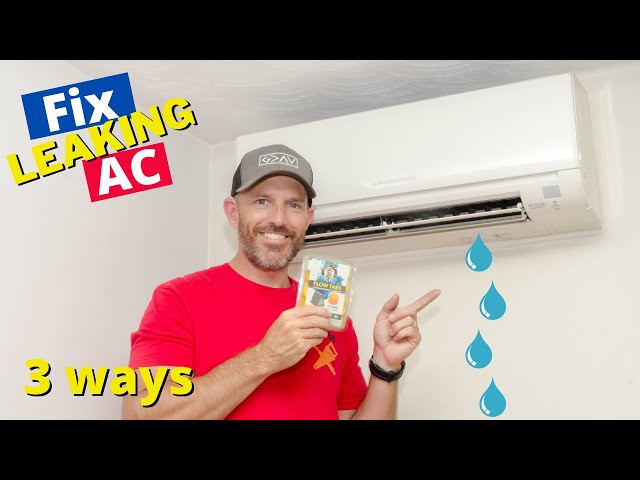
Discovering your Gree AC unit leaking water can be alarming. It’s a common issue that can range from a minor inconvenience to a sign of a more significant problem. A leaking AC unit can not only damage your floors and walls but also reduce the efficiency of your cooling system, leading to higher energy bills. Identifying the source of the leak and addressing it promptly is crucial to prevent further damage and maintain a comfortable home environment. This guide will walk you through troubleshooting steps to help you resolve the issue without needing advanced technical skills.
Common Causes of Gree AC Unit Leaking Water
Several factors can contribute to a Gree AC unit leaking water:
- Clogged Drain Line: This is the most common cause. Dust, debris, and algae can build up in the drain line, preventing water from flowing out properly.
- Dirty Air Filter: A dirty filter restricts airflow, causing the evaporator coil to freeze. When the ice melts, it overflows the drain pan.
- Low Refrigerant: Low refrigerant can also cause the evaporator coil to freeze, leading to water leaks as the ice melts.
- Damaged Drain Pan: The drain pan, usually made of plastic, can crack or rust over time, causing water to leak.
- Improper Installation: If the AC unit wasn’t installed correctly, it might not be level, causing water to overflow the drain pan.
- Condensate Pump Failure: Some AC units use a condensate pump to remove water. If this pump fails, water can accumulate and leak.
- High Humidity: During periods of high humidity, the AC unit may produce more condensation than it can handle.
- Kinked or Disconnected Drain Line: A kink in the drain line can block water flow, while a loose connection can cause leaks at the joint.
Symptoms Checklist
Here’s how to identify if your Gree AC unit is leaking water:
- Visible water pooling around the indoor unit.
- Dripping water from the unit itself.
- Dampness or water stains on the ceiling or walls near the unit.
- Musty odor coming from the unit.
- The AC unit is not cooling as efficiently as usual.
- Unusual noises coming from the unit.
How to Fix Gree AC Unit Leaking Water Step-by-Step Guide
Follow these steps to troubleshoot and fix a leaking Gree AC unit:
- Turn Off the Power: Before you start any troubleshooting, turn off the AC unit at the thermostat and the circuit breaker for safety.
- Inspect the Air Filter: Remove the air filter and check if it’s dirty. If it is, clean or replace it. A dirty filter restricts airflow.
- Locate the Drain Line: Find the drain line, usually a PVC pipe, exiting the indoor unit. It often leads outside or to a drain.
- Check for Kinks or Obstructions: Inspect the drain line for any kinks, bends, or visible obstructions. Straighten any kinks.
- Clear the Drain Line: Use a wet/dry vacuum to suck out any clogs in the drain line. Attach the vacuum hose to the end of the drain line and run it for a few minutes.
- Flush the Drain Line: Pour a cup of white vinegar into the drain line opening to dissolve any remaining algae or debris. Let it sit for about 30 minutes, then flush with water.
- Check the Drain Pan: Locate the drain pan under the indoor unit. Inspect it for cracks, rust, or overflow.
- Empty the Drain Pan: If the drain pan is full, carefully empty it. You may need a wet/dry vacuum or towels.
- Level the AC Unit: Use a level to check if the indoor unit is properly leveled. If not, shim it to ensure water flows correctly into the drain pan.
- Inspect the Condensate Pump (If Applicable): If your unit has a condensate pump, check if it’s working. Clean the pump and check for any obstructions.
- Clean the Evaporator Coils: With the unit off, use a soft brush or vacuum with a brush attachment to gently clean the evaporator coils. Be careful not to damage the fins.
- Reassemble and Test: Once you’ve completed the checks, reassemble the unit, turn the power back on, and monitor for leaks.
- Run the AC Unit: Turn on the AC and let it run for at least 30 minutes to see if the leaking has stopped.
- Monitor Closely: Keep an eye on the unit for a few hours to ensure the leak doesnt reappear.
Fix the Issue Without Buying Parts
Before considering replacement parts, try these free methods:
- Reset the AC Unit: Turn off the circuit breaker for a few minutes, then turn it back on. This can sometimes resolve minor issues.
- Regular Cleaning: Clean the air filter monthly and the drain line every few months to prevent clogs.
- Inspection Tips: Regularly inspect the drain pan and drain line for any signs of damage or blockage.
- Maintenance Basics: Ensure proper ventilation around the outdoor unit and keep it free from debris.
When Replacement Might Be Necessary
If the drain pan is severely cracked or rusted, or if the condensate pump is malfunctioning and cannot be repaired, replacement may be necessary.
- Drain Pan Replacement: $50$200.
- Condensate Pump Replacement: $80$300.
Safety Warning
Keep these safety precautions in mind:
- Always turn off the power to the AC unit before performing any maintenance or repairs.
- Avoid working with electrical components if you’re not comfortable or experienced.
- Be careful when handling water near electrical outlets to avoid electric shock.
- Clean up any spills immediately to prevent slips and falls.
Tools You May Need
Here’s a list of tools that might be helpful:
- Screwdrivers (Phillips and flathead)
- Wet/dry vacuum
- White vinegar
- Soft brush
- Level
- Flashlight
- Adjustable wrench
FAQ
Here are some frequently asked questions about AC unit leaks:
- Q: Why is my AC leaking even after I cleaned the drain line? A: There may be a crack in the drain pan or low refrigerant causing the coil to freeze.
- Q: How often should I clean my AC unit’s drain line? A: Every 3-6 months, depending on usage and environmental factors.
- Q: Can a dirty air filter cause my AC to leak? A: Yes, a dirty air filter can cause the evaporator coil to freeze and leak water.
- Q: Is it safe to run my AC if it’s leaking water? A: No, it’s best to turn it off to prevent further damage and potential electrical hazards.
- Q: How do I know if my condensate pump is broken? A: If you hear unusual noises from the pump or water is backing up into the drain pan, it might be failing.
Conclusion
Addressing a leaking Gree AC unit can seem daunting, but with these steps, you can often resolve the issue yourself. Remember to start with the simplest solutions, such as cleaning the drain line and replacing the air filter. If the problem persists, don’t hesitate to consult a qualified HVAC technician. Taking a proactive approach can save you money and ensure your AC unit runs efficiently for years to come. Most importantly, try these steps yourself before calling an expert!
Youtube Video:
Looking for more useful options?
Check out recommended resources that others find helpful.