Introduction
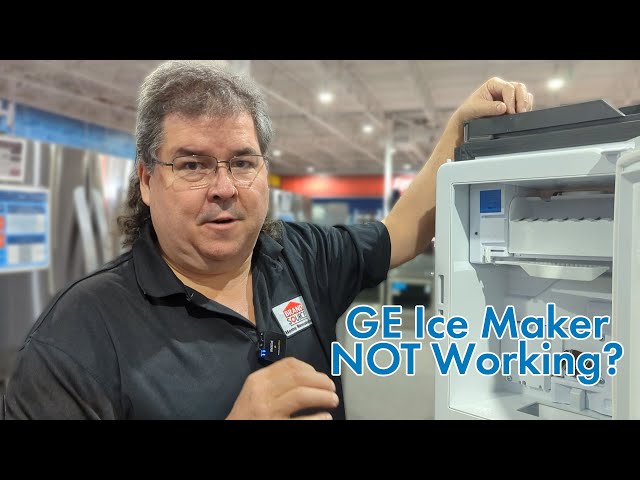
Is your GE refrigerator’s ice maker dutifully churning out ice cubes, but the water dispenser is stubbornly silent? This issue, where the ice maker works while the water dispenser doesn’t, is a common headache for many homeowners. It often arises unexpectedly, causing inconvenience and potential frustration. Addressing this problem promptly is important, as neglecting it could lead to further complications and potentially require more costly repairs down the line. Let’s walk through the steps to diagnose and hopefully fix this issue yourself!
Common Causes of GE Refrigerator Ice Maker Working But Not Water
Here are some common reasons why your GE refrigerator’s ice maker might be working but not dispensing water:
- Frozen Water Line: The most frequent culprit! If the water line that feeds the dispenser and ice maker freezes, water flow will be blocked.
- Clogged Water Filter: A dirty or old water filter restricts water flow.
- Faulty Water Inlet Valve: This valve controls the flow of water into the refrigerator. If it’s malfunctioning, it might not open properly.
- Low Water Pressure: Insufficient water pressure to your home can prevent the dispenser from working.
- Dispenser Switch Problem: The switch you press to activate the water dispenser could be faulty.
- Frozen or Blocked Fill Tube: The small tube that delivers water to the ice maker can become blocked with ice.
- Control Board Issues: A less common, but possible, problem is a malfunctioning control board.
- Kinked or Damaged Water Line: A kink in the water line restricts the flow of water.
Symptoms Checklist
Here’s a checklist to help you confirm the issue:
- Ice maker produces ice, but the water dispenser doesn’t work.
- You hear a humming sound when pressing the water dispenser, but no water comes out.
- The water filter light is on or flashing, even after replacing the filter.
- The water pressure to other faucets in your house is normal.
- You notice ice buildup inside the refrigerator, particularly near the ice maker.
How to Fix GE Refrigerator Ice Maker Working But Not Water Step-by-Step Guide
Follow these steps to troubleshoot the issue:
- Check the Water Supply: Ensure the water supply valve behind the refrigerator is fully open.
- Inspect the Water Line: Look for any kinks or bends in the water line running to the refrigerator. Straighten any kinks you find.
- Replace the Water Filter: Even if the filter looks clean, try replacing it with a new one. A clogged filter is a common cause.
- Defrost a Frozen Water Line: Unplug the refrigerator. Locate the water line (usually a small plastic tube) behind the fridge or inside the freezer compartment. Use a hairdryer (on low setting) to gently warm the water line, starting from where it enters the refrigerator. You can also wrap the line with warm towels.
- Check Water Pressure: Disconnect the water line from the refrigerator and hold it over a bucket. Turn on the water supply valve. If the water flow is weak, you may have a water pressure problem in your home.
- Check the Ice Maker Fill Tube: If you suspect a frozen fill tube, unplug the refrigerator. Remove the ice maker (consult your refrigerator’s manual for instructions). Gently thaw the fill tube using a hairdryer or warm water. Make sure there’s no ice blockage.
- Listen to the Water Inlet Valve: When you press the water dispenser lever, listen for a clicking or humming sound from the water inlet valve (usually located at the back of the refrigerator near the bottom). If you don’t hear anything, the valve might be faulty.
- Check the Dispenser Switch: Sometimes the dispenser switch can fail. Use a multimeter to check the continuity of the switch when you press it. If there’s no continuity, the switch needs to be replaced. (Consider this step only if you have experience with electrical testing).
- Reset the Refrigerator: Unplug the refrigerator for 5-10 minutes, then plug it back in. This can sometimes reset the control board and resolve minor glitches.
- Inspect for Ice Buildup: Remove any ice buildup near the ice maker or dispenser chute. This can sometimes obstruct the water flow.
- Check the Freezer Temperature: Ensure your freezer temperature is set correctly (ideally around 0F or -18C). A freezer that’s too cold can cause the water line to freeze.
- Inspect the Drain Tube: Sometimes a clogged drain tube can cause ice to build up and block the water line. Locate the drain tube (usually at the back of the freezer compartment) and clear any blockage.
Fix the Issue Without Buying Parts
Before you consider replacing parts, try these free methods:
- Complete Defrost: Unplug your refrigerator for 24 hours to completely defrost it. This can melt any hidden ice blockage.
- Clean the Water Filter Housing: Sometimes debris can build up in the filter housing. Remove the filter and clean the housing with a damp cloth.
- Check the Water Pressure Regulator: If your home has a water pressure regulator, make sure it’s functioning correctly and set to the appropriate pressure.
- Routine Maintenance: Replace your water filter every 6 months, even if it doesn’t appear dirty. This prevents clogs and ensures optimal water flow.
When Replacement Might Be Necessary
If you’ve tried all the troubleshooting steps and the problem persists, you might need to replace a part. Common parts that fail include the water inlet valve (estimated cost: $30-$70 USD), the dispenser switch (estimated cost: $20-$50 USD), or the water filter housing (estimated cost: $40-$80 USD). In rare cases, a faulty control board might require replacement, which can be more expensive (estimated cost: $100-$300 USD).
Safety Warning
- Always unplug the refrigerator before performing any repairs.
- Avoid working on electrical components if you’re not comfortable or experienced.
- Be careful when using a hairdryer near water lines. Avoid overheating the plastic tubing.
- If water spills, wipe it up immediately to prevent slipping hazards.
Tools You May Need
- Screwdrivers (Phillips and flathead)
- Pliers
- Adjustable wrench
- Hairdryer
- Multimeter (optional, for testing the dispenser switch)
- Bucket
- Towels
FAQ
Here are some frequently asked questions:
- Q: Why is my ice maker working but no water coming out of the dispenser? A: The most likely cause is a frozen water line. Try defrosting the line as described above.
- Q: How often should I replace my refrigerator water filter? A: Replace your water filter every 6 months for optimal performance and water quality.
- Q: Can low water pressure cause this problem? A: Yes, low water pressure can prevent the dispenser from working properly.
- Q: Where is the water inlet valve located? A: The water inlet valve is typically located at the back of the refrigerator near the bottom.
Conclusion
Troubleshooting a GE refrigerator with an ice maker that works but won’t dispense water can seem daunting, but with patience and these steps, you have a good chance of resolving the issue yourself. Start with the simplest solutions, like checking the water line and replacing the filter, and work your way through the more complex troubleshooting steps. If you’ve exhausted all options and still can’t fix the problem, it might be time to call a qualified appliance repair technician. Good luck!
Youtube Video:
Looking for more useful options?
Check out recommended resources that others find helpful.