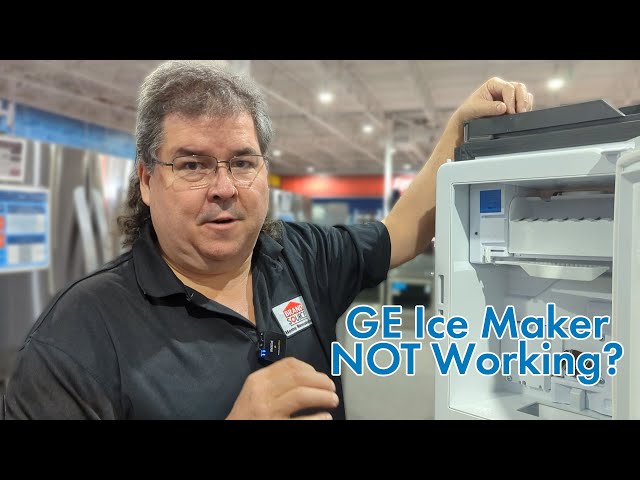
Introduction
A refrigerator that doesn’t make enough ice can be a real headache, especially during hot weather or when you’re entertaining guests. The “ge profile refrigerator not making enough ice” problem is a common one, often happening gradually as the refrigerator ages or after a power outage. Addressing this issue promptly is important to avoid food spoilage if the refrigerator temperature starts to rise and to prevent further damage to the ice maker itself.
Common Causes of GE Profile Refrigerator Not Making Enough Ice
Here are some reasons why your GE Profile refrigerator might not be making enough ice:
- Frozen Water Line: A frozen water line prevents water from reaching the ice maker.
- Clogged Water Filter: A dirty water filter restricts water flow, starving the ice maker.
- Low Water Pressure: Insufficient water pressure can hinder ice production.
- Ice Maker Arm Position: The ice maker arm may be accidentally switched to the “off” position.
- Temperature Settings: The freezer temperature might be set too high (above 5F / -15C).
- Door Seal Issues: A faulty door seal allows warm air to enter, affecting ice production.
- Ice Buildup: Ice accumulation in the ice maker can prevent it from functioning correctly.
- Faulty Water Inlet Valve: A malfunctioning valve can restrict or stop water flow to the ice maker.
- Defective Ice Maker Module: The ice maker module itself could be broken and need professional attention.
- Blocked Vent: Obstructions in the freezer vent system can affect the ice maker’s temperature.
Symptoms Checklist
Check these indicators to confirm the issue:
- Ice maker produces small or hollow ice cubes.
- Ice production is significantly slower than usual.
- No ice is being produced at all.
- Water dispenser is working, but ice maker isn’t.
- Freezer temperature seems warmer than normal.
- You hear unusual noises coming from the ice maker area.
How to Fix GE Profile Refrigerator Not Making Enough Ice Step-by-Step Guide
Follow these steps to troubleshoot your ice maker:
- Check the Ice Maker Arm: Make sure the ice maker arm is in the “on” or “down” position. Sometimes it gets accidentally bumped.
- Inspect the Water Filter: Locate the water filter (usually in the upper right corner of the refrigerator compartment or behind the bottom grill). Replace it if it’s been longer than six months or if it looks dirty.
- Verify Freezer Temperature: Ensure the freezer temperature is set to 0F (-18C) or slightly lower. Adjust the temperature using the control panel.
- Listen for Water Flow: If the water dispenser is working, but the ice maker isn’t, listen for water filling the ice maker when it cycles. If you don’t hear anything, proceed to the next step.
- Check the Water Line: Locate the water line running to the refrigerator. Check for any kinks or bends that might be restricting water flow.
- Thaw a Frozen Water Line: If you suspect a frozen water line, unplug the refrigerator. Locate the water line behind the refrigerator. You can try thawing it with a hairdryer (on a low setting) or by wrapping it in warm towels. Be careful not to overheat or damage the line.
- Check Water Pressure: Ensure your home has adequate water pressure. Low pressure can prevent the ice maker from filling properly.
- Inspect the Door Seals: Check the refrigerator and freezer door seals for any gaps or tears. Replace damaged seals to prevent warm air from entering.
- Defrost the Ice Maker: Sometimes, ice buildup can prevent the ice maker from working. Empty the ice bin and manually defrost the ice maker with a hairdryer (on a low setting) or by leaving the freezer door open for a few hours.
- Reset the Ice Maker: Many GE Profile refrigerators have a reset button on the ice maker. Consult your owner’s manual to locate and press the reset button.
- Clean the Ice Maker: Remove any ice or debris from the ice maker compartment. Use a damp cloth to wipe down the area.
- Check the Vent: Make sure that items in the freezer are not blocking the vent that provides airflow to the ice maker.
- Check The Fill Tube: The fill tube for the icemaker might be frozen. Remove the icemaker and using a hair dryer, try to blow out the line and melt any ice accumulation.
Fix the Issue Without Buying Parts
Many ice maker problems can be resolved without purchasing new parts. Try these free methods:
- Reset the Ice Maker: A simple reset can sometimes resolve minor glitches.
- Thorough Cleaning: Cleaning the ice maker and its surroundings can remove obstructions and improve performance.
- Temperature Recalibration: Adjusting the freezer temperature to the optimal setting can improve ice production.
- Regular Inspection: Periodically inspect the ice maker for ice buildup or other issues.
- Maintain Door Seals: Keep the door seals clean and in good condition to prevent warm air leaks.
When Replacement Might Be Necessary
If you’ve tried all the troubleshooting steps and your ice maker still isn’t working, it might be time to consider replacement. Common parts that fail include the water inlet valve, the ice maker module, or the water filter housing. Replacing the ice maker module can cost between $100 and $300, while a new water inlet valve can range from $50 to $150. Consider contacting a qualified appliance repair technician for a diagnosis and repair estimate before replacing any parts.
Safety Warning
- Always unplug the refrigerator before performing any repairs.
- Avoid working on electrical components with wet hands or on wet floors.
- Be careful when using a hairdryer to thaw frozen water lines, as excessive heat can damage the line.
- If you’re uncomfortable performing any of these repairs, contact a qualified appliance repair technician.
Tools You May Need
- Screwdrivers (Phillips and flathead)
- Pliers
- Adjustable wrench
- Hairdryer (for thawing frozen lines)
- Towels
- Bucket
FAQ
Here are some frequently asked questions about ice maker problems:
-
Q: Why is my ice maker making small, hollow ice cubes?
A: This is often caused by low water pressure or a clogged water filter. -
Q: How often should I replace my water filter?
A: Replace your water filter every six months, or sooner if you notice a decrease in water flow. -
Q: How do I reset my GE Profile ice maker?
A: Consult your owner’s manual for the specific location of the reset button on your model. -
Q: What do I do if my water line is frozen?
A: Unplug the refrigerator and try thawing the water line with a hairdryer (on low setting) or warm towels. -
Q: Why is my ice maker making ice slowly?
A: Potential issues include a dirty water filter, low freezer temperature, or a partially frozen water line. -
Q: I’ve tried everything, and my ice maker still isn’t working. What should I do?
A: Consider contacting a qualified appliance repair technician for a diagnosis and repair.
Conclusion
Troubleshooting a “ge profile refrigerator not making enough ice” issue can seem daunting, but by following these steps, you can often resolve the problem yourself. Don’t be afraid to tackle these simple fixes before calling a technician. With a little patience and effort, you can get your ice maker back up and running and enjoy a refreshing glass of ice-cold beverage.
Youtube Video:
Looking for more useful options?
Check out recommended resources that others find helpful.