Introduction
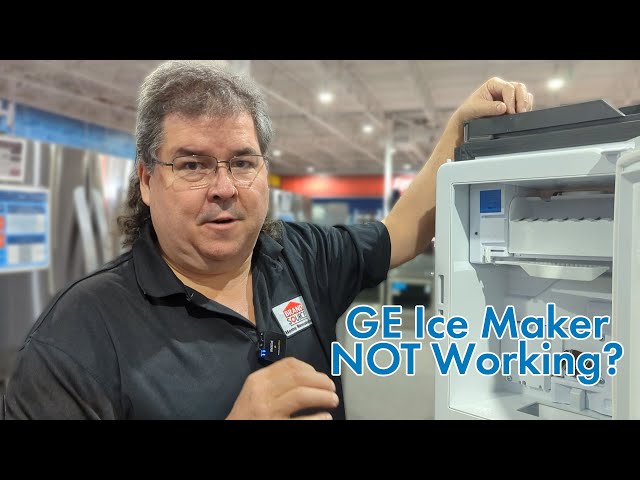
A refrigerator ice maker that suddenly stops working can be a major inconvenience, especially during warmer months or when you have guests. There’s nothing worse than needing a cold drink and finding an empty ice bin! The good news is that many ice maker problems are easy to fix yourself, without needing to call a repair technician immediately. This guide focuses specifically on GE Profile refrigerators and walks you through common causes and troubleshooting steps to get your ice maker working like new.
Common Causes of GE Profile Refrigerator Ice Maker Stopped Working
Here are some of the most frequent reasons why your GE Profile ice maker might not be producing ice:
- Ice Maker is Turned Off: It sounds simple, but sometimes the ice maker is accidentally switched off.
- Water Supply Issue: The ice maker needs a water supply. A kinked or frozen water line can block water flow.
- Water Filter Clogged: A dirty water filter restricts water flow, impacting ice production.
- Freezer Temperature Too High: The freezer needs to be cold enough for ice to form, ideally around 0-5F (-18 to -15C).
- Ice Jam in the Ejector Arm: Ice can build up and prevent the ice maker’s ejector arm from properly dispensing ice.
- Faulty Water Inlet Valve: This valve controls the flow of water to the ice maker. If it fails, no water reaches the ice maker.
- Defective Ice Maker Module: This module controls the entire ice-making process.
- Freezer Door Not Closing Properly: A loose seal will cause the freezer temperature to rise, which can stop ice production.
- New Installation: After installation, some ice makers need up to 24 hours to begin producing ice.
Symptoms Checklist
Use this checklist to accurately identify the issue:
- No ice production at all.
- Ice production is very slow.
- Ice cubes are small or misshapen.
- Ice cubes are cloudy or have a bad taste.
- The ice maker is making unusual noises.
- Water is leaking around the ice maker or in the freezer.
How to Fix GE Profile Refrigerator Ice Maker Stopped Working Step-by-Step Guide
Follow these steps to troubleshoot your ice maker:
- Check the Ice Maker Switch: Make sure the ice maker is turned on. It’s usually a wire arm you lower to activate the ice maker, or a button or switch on the control panel.
- Verify Freezer Temperature: Check that your freezer is set to the correct temperature, between 0-5F (-18 to -15C). Adjust if necessary.
- Inspect the Water Line: Locate the water line behind the refrigerator. Make sure it’s not kinked or bent, which can restrict water flow.
- Check the Water Filter: Locate the water filter (usually inside the refrigerator compartment or in the base grille). If it’s been 6 months or longer since it was last replaced, replace it with a new filter.
- Test the Water Pressure: Dispense water from the refrigerator’s water dispenser. If the water flow is weak, this further indicates a water filter issue or a problem with the water supply.
- Check for Ice Jams: Look inside the ice maker and see if there’s a buildup of ice blocking the ejector arm. Use a plastic utensil (never metal) to gently break up any ice jams.
- Listen for the Water Valve: With the freezer door open, manually cycle the ice maker (refer to your refrigerator’s manual for instructions, or look for a test button/arm). You should hear the water valve activate and water filling the ice mold. If you don’t hear anything, the water valve may be faulty.
- Check the Fill Tube: The fill tube is where water enters the ice maker. Check if it’s frozen over. If so, use a hair dryer on a low setting to carefully thaw it.
- Reset the Ice Maker: Some GE Profile refrigerators have a reset button on the ice maker. Press and hold it for a few seconds to reset the system.
- Inspect the Freezer Door Seal: Make sure the freezer door seals tightly. A damaged seal allows warm air to enter, affecting ice production. Clean the seal with warm, soapy water.
- Give it Time: After any adjustments or filter changes, give the ice maker up to 24 hours to start producing ice.
Fix the Issue Without Buying Parts
Many ice maker problems can be resolved without spending money:
- Resetting the Ice Maker: Often, a simple reset can clear minor glitches.
- Cleaning the Ice Maker: Remove any ice buildup or debris that may be interfering with its operation.
- Checking Connections: Ensure all water line connections are secure and free from leaks.
- Adjusting Temperature: Fine-tune the freezer temperature for optimal ice production.
When Replacement Might Be Necessary
If you’ve tried all the troubleshooting steps and your ice maker still isn’t working, a replacement part may be needed. Common parts that fail include the water inlet valve (estimated cost: $30-$70), the ice maker module ($80-$150), or the water filter housing. If these parts are failing, you may need a technician to diagnose and replace the part. Contact a certified technician to evaluate the refrigerator.
Safety Warning
- Always unplug the refrigerator before performing any repairs.
- Avoid working on electrical components with wet hands.
- Be careful when using tools near water lines.
- Consult a qualified technician if you’re uncomfortable with any repair.
Tools You May Need
Here’s a list of tools that might be helpful:
- Screwdrivers (Phillips and flathead)
- Pliers
- Adjustable wrench
- Towel or rag
- Plastic spatula
- Hair dryer (for thawing ice)
FAQ
Here are some frequently asked questions about GE Profile ice maker problems:
- Q: How long should it take for my ice maker to start producing ice after installation? A: It can take up to 24 hours for a new ice maker to start producing ice.
- Q: Why are my ice cubes small or hollow? A: This is often due to low water pressure or a clogged water filter.
- Q: How often should I replace my water filter? A: Replace your water filter every 6 months, or as recommended by the manufacturer.
- Q: My ice maker is making a loud buzzing noise. What could be wrong? A: This could indicate a problem with the water inlet valve or the ice maker motor.
Conclusion
Troubleshooting a GE Profile refrigerator ice maker can seem daunting, but by following these steps, you can often resolve the issue yourself and save money on repair costs. Remember to take your time, be patient, and prioritize safety. If you’ve exhausted all troubleshooting options and your ice maker still isn’t working, it may be time to call a qualified appliance repair technician.
Youtube Video:
Looking for more useful options?
Check out recommended resources that others find helpful.