
Introduction
A malfunctioning ice maker in your GE Profile French Door refrigerator can be a real headache. Imagine needing ice for a party, only to find the ice maker is producing little to no ice. This problem can stem from simple issues like a blocked ice chute to more complex issues like a faulty water inlet valve. Addressing this quickly is important to prevent food spoilage and avoid costly repairs down the line. This guide will help you diagnose and resolve common ice maker problems.
💡 Technical Key Takeaways:
- Core Focus: Diagnostic schematic and terminal connection layout for Ge Profile Refrigerator Ice Maker Problems French Door.
- Target Scope: Field technicians, automotive DIYers, and residential/commercial electricians.
- Safety Rule: Always disconnect the primary power source/battery terminal and verify zero voltage with a multimeter before touching wires.
Common Causes of GE Profile Refrigerator Ice Maker Problems (French Door Models)
Here are some of the most common reasons why your GE Profile French Door refrigerator ice maker might not be working:. For more related activities, check out our Kenmore Refrigerator Water Dispenser Leaking.
- Ice Maker is Turned Off: Sounds obvious, but sometimes it’s accidentally switched off.
- Water Line is Frozen: A frozen water line prevents water from reaching the ice maker.
- Water Filter is Clogged: A clogged filter restricts water flow, impacting ice production.
- Low Water Pressure: Insufficient water pressure can hinder the ice-making process.
- Ice Jam in the Ejector Arm: Ice buildup can prevent the ejector arm from dispensing ice.
- Faulty Water Inlet Valve: A defective valve may not allow water into the ice maker.
- Defective Ice Maker Module: The ice maker module controls the entire ice-making cycle. A fault here can stop ice production.
- Freezer Temperature Too High: The freezer needs to be cold enough for ice to form.
Symptoms Checklist
Use this checklist to pinpoint the problem:
- Ice maker is not producing any ice.
- Ice maker is producing small or misshapen ice cubes.
- Ice maker is making ice very slowly.
- Ice maker is overflowing.
- Ice dispenser is not working.
- Strange noises coming from the ice maker.
How to Fix GE Profile Refrigerator Ice Maker Problems (French Door Models) Step-by-Step Guide
Follow these steps to troubleshoot your ice maker:
- Check the Ice Maker Switch: Make sure the ice maker is turned “on.” Usually, there’s a wire arm or a button to control this.
- Verify Freezer Temperature: The ideal freezer temperature is between 0F and 5F (-18C and -15C). Adjust the thermostat if needed.
- Inspect the Water Line: Check for kinks or bends in the water line behind the refrigerator. Straighten any kinks.
- Check the Water Supply Valve: Ensure the water supply valve (usually under the sink or behind the fridge) is fully open.
- Replace the Water Filter: A clogged filter restricts water flow. Replace it every 6 months, or as recommended by the manufacturer.
- Test Water Pressure: Low water pressure can be a culprit. If you have a well, check the well pump. If you’re on city water, contact your water company.
- Defrost a Frozen Water Line: If you suspect a frozen water line, unplug the refrigerator. Open the freezer door and let it thaw naturally for several hours. You can also use a hair dryer (on a low setting) to gently warm the water line.
- Clear Ice Jams: Remove the ice bin and check for ice jams blocking the ejector arm or ice chute. Use a plastic utensil to carefully break up any ice buildup.
- Reset the Ice Maker: Many GE Profile models have a reset button (often red) located on the ice maker. Press and hold it for a few seconds.
- Check the Ice Maker Fill Tube: The fill tube is where water enters the ice maker. Make sure it’s not blocked with ice. Use a turkey baster filled with warm water to melt any ice blockage.
- Inspect the Ice Level Sensor: Make sure the ice level sensor arm (if equipped) isn’t obstructed by ice. This sensor tells the ice maker when the bin is full.
- Listen for the Water Valve: After resetting the ice maker, listen for the water valve to open and fill the ice maker tray. If you don’t hear it, the valve may be faulty.
- Clean the Ice Bin: Remove the ice bin and clean it thoroughly to prevent mold and bacteria growth.
Fix the Issue Without Buying Parts
Before considering replacements, try these free methods:
- Reset the Ice Maker: As mentioned above, try the reset button.
- Clean the Ice Maker: Wipe down the ice maker components with a damp cloth.
- Check for Obstructions: Ensure nothing is blocking the ice maker or dispenser.
- Ensure Correct Settings: Double-check that the freezer and refrigerator are set to the correct temperatures.
- Routine Maintenance: Regularly replace the water filter and clean the ice bin to prevent issues.
When Replacement Might Be Necessary
If you’ve tried all the troubleshooting steps and the ice maker still doesn’t work, a replacement part might be needed. Common parts that fail include the water inlet valve (estimated cost: $50-$100 USD), the ice maker module (estimated cost: $80-$150 USD), and the water filter housing (estimated cost: $30-$70 USD). Consult a qualified appliance repair technician to diagnose the problem and recommend the appropriate replacement part.
Safety Warning
- Always unplug the refrigerator before performing any troubleshooting or repairs.
- Be careful when handling electrical components. If you’re not comfortable working with electricity, consult a qualified electrician.
- Avoid getting water on electrical components.
- Clean up any spills immediately to prevent slips and falls.
Tools You May Need
- Screwdrivers (Phillips and flathead)
- Pliers
- Adjustable wrench
- Turkey baster
- Soft cloth or sponge
- Bucket or container to catch water
FAQ
Here are some frequently asked questions about GE Profile French Door refrigerator ice maker problems:
-
Q: Why is my ice maker producing small cubes?
A: This is often due to low water pressure or a partially clogged water filter. Try replacing the filter first.
-
Q: How often should I replace the water filter?
A: Generally, every 6 months, or as recommended by your refrigerator’s manufacturer.
-
Q: My ice maker is overflowing. What should I do?
A: This could be caused by a faulty water inlet valve. Inspect the valve and consider replacing it if necessary.
-
Q: The ice dispenser isn’t working, but the ice maker is making ice. What’s the problem?
A: Check for ice jams in the dispenser chute. Also, inspect the dispenser motor and switch.
Conclusion
Troubleshooting your GE Profile French Door refrigerator ice maker can seem daunting, but with a systematic approach, you can often resolve the issue yourself. Before calling a technician, follow the steps outlined in this guide. You might be surprised at how easy it is to get your ice maker working again. If you’re still experiencing problems after trying these solutions, it’s best to consult a qualified appliance repair professional.
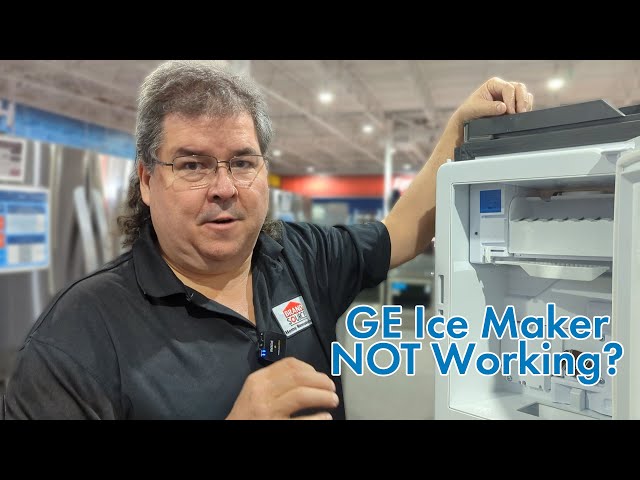
Youtube Video:
Quick Wiring Specifications & Terminal Guide
| Component / Circuit | Standard Wire Gauge | Recommended Protection |
|---|---|---|
| Control & Trigger Signals | 18 – 20 AWG | 5A – 7.5A Inline Fuse |
| Standard Auxiliary Load | 14 – 16 AWG | 15A – 20A Circuit Breaker |
| Main Power Feed / Supply | 10 – 12 AWG | 30A – 40A Heavy-Duty Relay |
Images References
Looking for more diagnostic guides? Explore our complete Refrigerator Problems 1 section for step-by-step troubleshooting solutions.
