Introduction
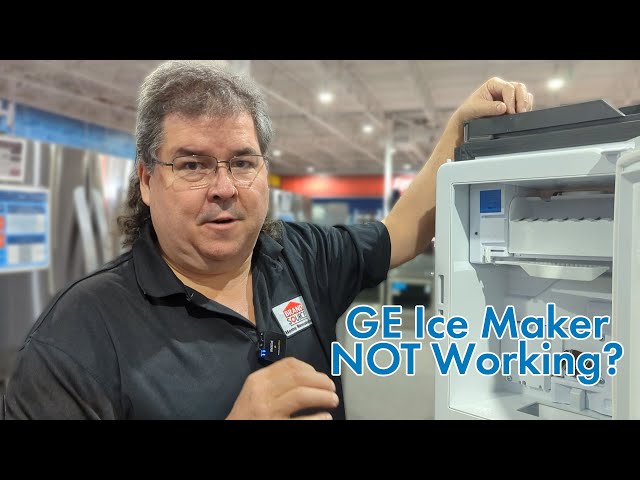
A malfunctioning ice maker in your GE Profile refrigerator can be a real inconvenience. No ice means no refreshing drinks, especially during hot weather. It’s often frustrating because the freezer itself is working fine, but the ice maker is not. This guide will help you diagnose and fix the problem, step by step.
Common Causes of GE Profile Refrigerator Ice Maker Not Working
Here are some common reasons why your GE Profile ice maker might be failing:
- Ice Buildup: Ice can accumulate and block the ice maker’s moving parts.
- Frozen Water Line: The water supply line to the ice maker might be frozen, preventing water flow.
- Low Freezer Temperature: If the freezer is set too warm, the ice maker won’t function correctly.
- Water Inlet Valve Problems: The valve that controls water flow to the ice maker might be faulty.
- Ice Maker Module Failure: The ice maker’s internal components could be broken.
- Clogged Water Filter: A dirty water filter restricts water flow, affecting ice production.
- Incorrect Ice Maker Settings: The ice maker could be switched off accidentally.
- Kinked or Damaged Water Line: Physical damage to the water line can stop the flow of water.
- Float Arm Stuck: The arm that detects ice level might be stuck in the “full” position.
Symptoms Checklist
Use this checklist to identify the issue accurately:
- No ice production at all.
- Small or misshapen ice cubes.
- Ice maker making clicking or whirring noises, but no ice.
- Ice dispenser not working, but ice maker is trying to produce ice.
- Water leaking from the ice maker area.
- Ice clumps together in the ice bin.
- The ice maker is physically blocked by ice.
How to Fix GE Profile Refrigerator Ice Maker Not Working Step-by-Step Guide
Follow these steps to troubleshoot and fix your ice maker:
- Check the Ice Maker Switch: Ensure the ice maker is turned on. Most models have an on/off switch or lever on the ice maker itself.
- Lower the Freezer Temperature: The freezer temperature should be between 0F and 5F (-18C to -15C). Adjust if needed.
- Check the Water Line: Inspect the water line connected to the refrigerator for kinks or damage. Straighten any kinks.
- Replace the Water Filter: A clogged water filter is a common culprit. Replace it with a new one according to the manufacturer’s instructions.
- Defrost the Ice Maker: Manually defrost the ice maker if you suspect ice buildup. You can use a hairdryer (on low setting) to gently melt the ice, or simply unplug the refrigerator for a few hours.
- Clear Ice Jam: Remove the ice bin and check for any ice jammed in the ice maker mechanism. Clear the jam carefully.
- Check the Fill Tube: The fill tube (where water enters the ice maker) might be frozen. Use a turkey baster filled with warm water to thaw it.
- Test the Water Inlet Valve: Locate the water inlet valve (usually at the back of the refrigerator). You can test it using a multimeter to see if it’s receiving power when the ice maker calls for water. (If you aren’t comfortable with this, skip this step.)
- Reset the Ice Maker: Some GE Profile models have a reset button on the ice maker. Press and hold it for a few seconds to reset the unit. Consult your owner’s manual.
- Check the Float Arm: Make sure the float arm (the wire arm that senses the ice level) is moving freely and not stuck in the “up” position.
- Listen for the Water Valve: After a reset, listen for the water valve to open and fill the ice maker. If you don’t hear anything, the valve may be faulty.
- Inspect the Ice Maker Mold: Check for cracks or damage to the ice maker mold itself.
- Run a Test Cycle: Some GE Profile ice makers have a test cycle. Consult your owner’s manual for instructions on how to initiate it.
- Allow Time to Produce Ice: After any troubleshooting steps, allow the ice maker 24-48 hours to produce ice.
Fix the Issue Without Buying Parts
Many ice maker problems can be resolved without purchasing new parts:
- Resetting: A simple reset can often resolve minor glitches.
- Cleaning: Regular cleaning can prevent ice buildup and other issues.
- Recalibration (if applicable): Some models may need recalibration after a power outage. Check the manual.
- Inspection: Visually inspect all components for obvious signs of damage or blockage.
- Maintenance: Replace the water filter regularly (every 6 months) to ensure optimal performance.
When Replacement Might Be Necessary
If you’ve tried all the troubleshooting steps and your ice maker still isn’t working, replacement may be necessary. Common parts that fail include the water inlet valve (estimated cost: $50-$100), the ice maker module ($100-$200), or even the entire ice maker assembly ($150-$300). These are estimates and can vary.
Safety Warning
- Always unplug the refrigerator before performing any repairs.
- Avoid working on electrical components if you are not comfortable.
- Be careful when using a hairdryer to thaw ice, as water and electricity can be dangerous.
- Wipe up any spills immediately to prevent slips and falls.
Tools You May Need
- Screwdrivers (Phillips and flathead)
- Pliers
- Towel or sponge
- Hairdryer (optional)
- Turkey baster (optional)
- New water filter
- Multimeter (optional, for testing water inlet valve)
FAQ
Here are some frequently asked questions about GE Profile ice makers:
-
Q: Why is my ice maker making small ice cubes?
A: This is often caused by low water pressure or a clogged water filter. -
Q: How often should I replace my water filter?
A: GE recommends replacing the water filter every 6 months. -
Q: My ice maker is overflowing. What should I do?
A: Check the water inlet valve and the fill tube for blockages. -
Q: How do I clean my GE Profile ice maker?
A: Remove the ice bin and wipe down the ice maker components with a damp cloth. You can also use a mild detergent solution.
Conclusion
Troubleshooting a GE Profile refrigerator ice maker might seem daunting, but by following these steps, you can often resolve the issue yourself and save money on repair costs. If you’ve exhausted all troubleshooting options and the ice maker still isn’t working, it might be time to call a qualified appliance repair technician. Good luck!
Youtube Video:
Looking for more useful options?
Check out recommended resources that others find helpful.