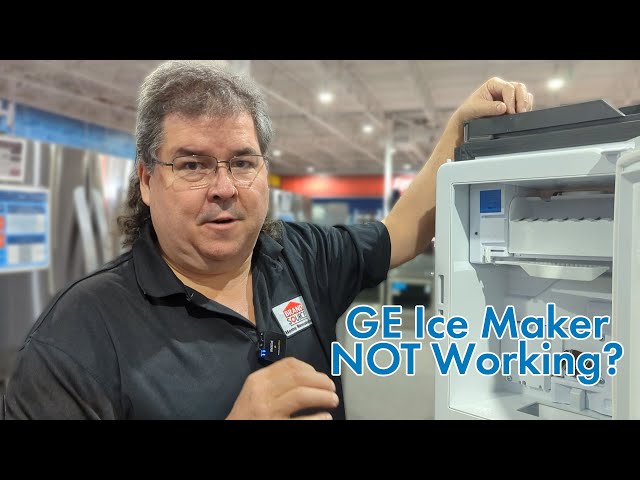
Introduction
A malfunctioning ice dispenser on your GE Profile refrigerator can be a major inconvenience, especially during hot weather or when you’re entertaining. Imagine needing ice for a party and the dispenser stubbornly refuses to work! This guide provides a comprehensive, step-by-step approach to troubleshooting and resolving the issue, helping you save time and money by potentially avoiding a costly service call.
Common Causes of GE Profile Ice Dispenser Not Working
Here are some common reasons why your GE Profile ice dispenser might not be working:
- Ice Maker is Turned Off: Sounds simple, but it’s easily overlooked!
- Ice Jam: Ice clumps can block the dispenser chute.
- Frozen Ice Maker: Ice can build up in the ice maker itself, preventing new ice from being made or dispensed.
- Water Line Issues: A frozen or kinked water line restricts water flow to the ice maker.
- Dispenser Switch Malfunction: The switch that activates the dispenser may be faulty.
- Dispenser Motor Problems: The motor that drives the ice auger could be broken.
- Ice Bucket Misalignment: If the ice bucket isn’t properly seated, the dispenser won’t work.
- Filter Clogged: A dirty water filter restricts water flow.
- Door Switch Issues: If the refrigerator door switch isn’t working properly, the ice dispenser may be disabled.
Symptoms Checklist
Use this checklist to help pinpoint the issue:
- No ice is being dispensed at all.
- The dispenser makes noise but no ice comes out.
- Crushed ice works, but cubed ice doesn’t.
- Water dispenses, but ice doesn’t.
- The ice maker isn’t producing any ice.
- Ice is stuck or jammed in the dispenser chute.
- The control panel is unresponsive.
How to Fix GE Profile Ice Dispenser Not Working Step-by-Step Guide
Follow these steps to troubleshoot your ice dispenser:
- Check the Ice Maker Switch: Ensure the ice maker is turned on. It’s usually located inside the refrigerator compartment near the ice maker.
- Check the Ice Bucket: Make sure the ice bucket is correctly positioned and pushed all the way in. A misaligned bucket can prevent the dispenser from working.
- Inspect for Ice Jams: Look inside the dispenser chute for any ice clumps blocking the opening. Use a plastic utensil (never metal!) to carefully break up and remove the ice jam.
- Listen for the Motor: Press the dispenser lever. Do you hear the motor running? If not, the motor might be faulty (but keep troubleshooting).
- Check the Water Filter: Replace the water filter. A clogged filter restricts water flow to the ice maker. Refer to your refrigerator’s manual for the filter location and replacement instructions.
- Inspect the Water Line: Check the water line behind the refrigerator for kinks or damage. Ensure the line isn’t frozen. If frozen, try thawing it with a hairdryer (on low setting) or by wrapping it with warm towels.
- Reset the Refrigerator: Unplug the refrigerator for 5-10 minutes to reset the system. Plug it back in and see if the dispenser starts working.
- Check the Freezer Temperature: Ensure the freezer temperature is set correctly (typically around 0F). If the freezer is too warm, the ice will melt and refreeze, causing jams.
- Defrost the Ice Maker: If you suspect a frozen ice maker, manually defrost it. Turn off the ice maker and let it thaw for several hours. You can speed up the process by using a hairdryer (on a low setting) aimed at the ice maker.
- Clean the Ice Maker: Over time, mineral deposits can build up in the ice maker. Consult your refrigerator’s manual for instructions on how to clean the ice maker.
- Check the Door Switch: Open and close the refrigerator door. Listen for a clicking sound, which indicates the door switch is working. If the switch is faulty, the dispenser may not operate.
- Inspect the Auger: Remove the ice bucket and inspect the auger (the spiral-shaped mechanism that pushes the ice forward). Make sure it’s not broken or jammed.
Fix the Issue Without Buying Parts
Often, the problem can be resolved without purchasing new parts:
- Resetting the Refrigerator: As mentioned earlier, unplugging the refrigerator for a few minutes can sometimes resolve minor glitches.
- Cleaning the Ice Dispenser: Regularly clean the dispenser chute and ice bucket to prevent ice jams and bacterial growth.
- Replacing the Water Filter Regularly: A clean water filter ensures optimal water flow to the ice maker, preventing issues.
- Inspect and Clear Ice Jams: Frequently check the dispenser chute for ice jams and clear them promptly.
When Replacement Might Be Necessary
If you’ve tried all the troubleshooting steps and the ice dispenser still isn’t working, a replacement part might be needed. Common parts that fail include:
- Dispenser Motor: This is the most common failure point. Replacement cost ranges from $50 to $150.
- Dispenser Switch: A faulty switch won’t activate the dispenser. Replacement cost ranges from $20 to $50.
- Water Inlet Valve: If the valve isn’t opening to allow water to the ice maker, it may need replacing. Replacement cost ranges from $30 to $70.
Safety Warning
- Always unplug the refrigerator before performing any repairs.
- Avoid using metal objects to dislodge ice jams, as they can damage the dispenser.
- Be careful when using a hairdryer to thaw frozen components; keep the hairdryer moving and avoid overheating any one area.
- Clean up any water spills immediately to prevent slips and falls.
Tools You May Need
- Screwdrivers (Phillips and flathead)
- Pliers
- Towel
- Plastic utensil (for clearing ice jams)
- Hairdryer (optional, for thawing ice)
FAQ
Here are some frequently asked questions about GE Profile ice dispenser problems:
- Q: Why is my ice maker making ice, but the dispenser isn’t working? A: This could be due to an ice jam in the dispenser chute, a faulty dispenser motor, or a misaligned ice bucket.
- Q: How often should I replace the water filter? A: It’s recommended to replace the water filter every six months.
- Q: Can a power outage affect the ice dispenser? A: Yes, a power outage can sometimes cause the ice maker to reset, requiring you to manually turn it back on.
- Q: Why is my ice maker producing small or hollow ice cubes? A: This is often caused by low water pressure or a clogged water filter.
Conclusion
Troubleshooting a GE Profile ice dispenser can seem daunting, but with this guide, you can confidently diagnose and resolve many common issues yourself. By following these steps, you can potentially save money and time by avoiding a costly service call. If you’ve exhausted all troubleshooting options and the problem persists, it might be time to contact a qualified appliance repair technician.
Youtube Video:
Looking for more useful options?
Check out recommended resources that others find helpful.