
Introduction
It’s frustrating when your GE refrigerator’s ice maker is happily churning out ice, but the water dispenser remains stubbornly dry. You’re left thirsty and wondering what’s gone wrong. This problem commonly arises after filter changes, power outages, or simply over time due to mineral buildup. A non-functioning water dispenser is more than an inconvenience; it can mean relying on bottled water, which adds to your grocery bill and environmental impact. Let’s get that water flowing again!. Explore more in our Refrigerator Problems 3 collection.
💡 Technical Key Takeaways:
- Core Focus: Diagnostic schematic and terminal connection layout for Ge Fridge Ice Maker Works But Not Water.
- Target Scope: Field technicians, automotive DIYers, and residential/commercial electricians.
- Safety Rule: Always disconnect the primary power source/battery terminal and verify zero voltage with a multimeter before touching wires.
Common Causes of GE Fridge Ice Maker Works But Not Water
Here are some common reasons why your GE fridge’s ice maker is working, but the water dispenser isn’t:. For more related activities, check out our Gasmate Bar Fridge Not Cooling.
- Frozen Water Line: A frozen water line is a frequent culprit, especially in older refrigerators or those in colder environments.
- Clogged Water Filter: A dirty or clogged water filter restricts water flow, preventing it from reaching the dispenser.
- Kinked or Damaged Water Line: Check the water line behind the fridge for any kinks, bends, or damage that could be blocking water flow.
- Faulty Water Inlet Valve: The water inlet valve controls the water supply to both the ice maker and the dispenser. A malfunctioning valve may only allow water to the ice maker.
- Low Water Pressure: Insufficient water pressure to your house can prevent the dispenser from working correctly.
- Dispenser Switch Malfunction: The switch that activates the water dispenser may be broken or stuck.
- Frozen Dispenser Nozzle: Ice can build up in the dispenser nozzle, blocking the water flow.
- Control Board Issues: In rare cases, a malfunctioning control board can cause the water dispenser to fail.
Symptoms Checklist
Use this checklist to accurately identify the issue:
- Ice maker produces ice normally.
- Water dispenser is completely dry no water comes out at all.
- Water filter is relatively new, or has been changed recently.
- There are no obvious leaks around the fridge.
- Water pressure to your house is normal.
- The water dispenser lever/pad feels normal, it is not stuck.
How to Fix GE Fridge Ice Maker Works But Not Water Step-by-Step Guide
Follow these steps to troubleshoot your GE fridge’s water dispenser:
- Check the Water Supply: Ensure the fridge is properly connected to the water supply line. Verify the water supply valve (usually under the sink) is fully open.
- Inspect the Water Line: Locate the water line running to the fridge. Check for any kinks, bends, or crimps that could be restricting water flow. Straighten any kinks carefully.
- Replace the Water Filter: Even if the filter is relatively new, try replacing it with a new one. A clogged filter is a common cause of water dispenser problems. Ensure the new filter is properly installed according to the manufacturer’s instructions.
- Check for a Frozen Water Line: If you suspect a frozen water line, unplug the refrigerator. Leave the doors open and allow it to defrost for several hours. You can also use a hairdryer (on a low setting) to gently warm the water line. Be careful not to overheat any plastic components.
- Test the Water Dispenser Switch: Press and hold the water dispenser lever/pad. Listen carefully for a faint clicking sound. If you don’t hear a click, the switch may be faulty.
- Check Water Pressure: Dispense water from another faucet in your house to ensure you have adequate water pressure. Low water pressure can affect the dispenser.
- Inspect the Dispenser Nozzle: Check the dispenser nozzle for ice buildup. If present, gently clear the ice with a plastic utensil or let it melt.
- Reset the Refrigerator: Unplug the refrigerator for 5-10 minutes, then plug it back in. This can sometimes reset the control board and resolve the issue.
- Check the Water Inlet Valve: The water inlet valve is usually located at the back of the refrigerator, near the bottom. It controls the flow of water to both the ice maker and the dispenser. You can try to listen for a humming sound when you press the water dispenser lever. If you don’t hear anything, it might be defective.
- Consult your User Manual: Refer to your GE refrigerator’s user manual for specific troubleshooting tips and diagrams related to the water dispenser.
Fix the Issue Without Buying Parts
Here are some free methods you can try before considering replacement parts:
- Refrigerator Reset: As mentioned earlier, unplugging the fridge for a few minutes can sometimes resolve minor electrical glitches.
- Water Filter Reset: After changing the water filter, some GE fridges require a manual reset. Consult your user manual for instructions.
- Cleaning the Dispenser Nozzle: Regularly clean the dispenser nozzle to prevent mineral buildup. Use a damp cloth or cotton swab.
- Visual Inspection: Carefully inspect all visible water lines and connections for leaks or damage.
- Check Water Pressure: Confirm you have good water pressure throughout your house.
When Replacement Might Be Necessary
If the above steps don’t resolve the issue, you might need to replace a part. Here are some common parts that fail and their estimated cost:. Discover more free resources across our collection library.
- Water Filter: $15-$50 (depending on the brand and type)
- Water Inlet Valve: $30-$80
- Dispenser Switch: $20-$50
Consider calling a qualified appliance repair technician for diagnosis and repair if you are not comfortable replacing these parts yourself.
Safety Warning
- Always unplug the refrigerator before performing any troubleshooting or repairs.
- Avoid working on electrical components while the refrigerator is plugged in.
- Be careful when using a hairdryer to thaw frozen water lines, as excessive heat can damage plastic parts.
- Wear safety glasses to protect your eyes from potential water splashes.
- Clean up any spilled water immediately to prevent slips and falls.
Tools You May Need
- Screwdrivers (Phillips and flathead)
- Pliers
- Adjustable wrench
- Towels or rags
- Flashlight
- New Water Filter
FAQ
Here are some frequently asked questions about GE fridge water dispensers:
- Q: Why is my water dispenser dispensing water slowly? A: This is often caused by a clogged water filter or low water pressure. Try replacing the filter and checking your home’s water pressure.
- Q: How often should I replace my water filter? A: GE recommends replacing the water filter every six months.
- Q: Can a frozen water line damage my refrigerator? A: Yes, a frozen water line can cause damage to the water lines and other components of your refrigerator.
- Q: How do I prevent my water line from freezing? A: Ensure your refrigerator is not located in an extremely cold environment. You can also insulate the water line to prevent freezing.
Conclusion
Troubleshooting a GE fridge water dispenser can seem daunting, but by following these steps, you can often diagnose and fix the problem yourself. Remember to start with the simplest solutions first, like checking the water supply and replacing the water filter. Don’t hesitate to consult your user manual for specific instructions or contact a qualified appliance repair technician if you’re unsure about any of the steps. With a little patience, you can get your water dispenser working again and enjoy cold, refreshing water at your convenience!
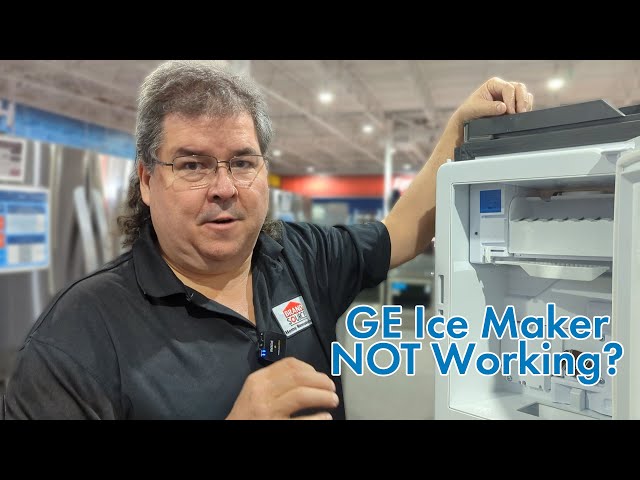
Youtube Video:
Quick Wiring Specifications & Terminal Guide
| Component / Circuit | Standard Wire Gauge | Recommended Protection |
|---|---|---|
| Control & Trigger Signals | 18 – 20 AWG | 5A – 7.5A Inline Fuse |
| Standard Auxiliary Load | 14 – 16 AWG | 15A – 20A Circuit Breaker |
| Main Power Feed / Supply | 10 – 12 AWG | 30A – 40A Heavy-Duty Relay |
