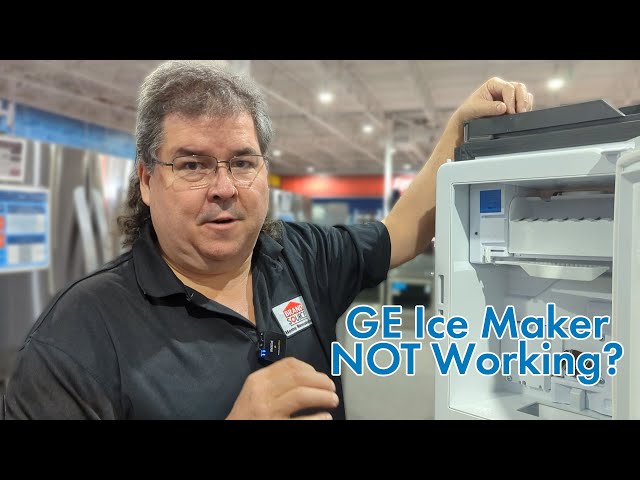
Introduction
A GE freezer not making ice can be a major headache, especially when you’re craving a cold drink or preparing for a gathering. It’s a common problem that homeowners face, often happening unexpectedly. The urgency to fix this is real nobody wants warm beverages! Fortunately, many causes are simple to diagnose and fix yourself, saving you time and money.
Common Causes of GE Freezer Stopped Making Ice
Several reasons can cause your GE freezer to stop producing ice. Here are some of the most frequent culprits:
- Freezer Temperature Too High: If the freezer isn’t cold enough, it won’t make ice.
- Water Supply Problem: A kinked or frozen water line can restrict water flow to the ice maker.
- Water Filter Clogged: A dirty water filter reduces water pressure, affecting ice production.
- Ice Maker Shut-Off Arm Position: The ice maker arm might be in the “off” position, preventing it from making ice.
- Ice Jam in Ejector Arm: Ice cubes can get stuck and block the ice maker mechanism.
- Faulty Water Inlet Valve: This valve controls the water flow to the ice maker. If it’s defective, it won’t open properly.
- Defective Ice Maker Module: The ice maker module controls the entire ice-making process. A faulty module can stop ice production.
- Door Seal Issues: If the freezer door isn’t sealing properly, warm air can enter, hindering ice formation.
- Low Water Pressure: Insufficient water pressure to your home can affect the ice maker.
Symptoms Checklist
Use this checklist to help pinpoint the problem:
- No ice production at all.
- Ice cubes are small or hollow.
- Ice maker is making clicking or grinding noises.
- Water dispenser is not working.
- Freezer temperature seems warmer than usual.
How to Fix GE Freezer Stopped Making Ice Step-by-Step Guide
Follow these steps to troubleshoot your GE freezer’s ice maker:
- Check the Freezer Temperature: Ensure the freezer is set to 0F (-18C). Use a thermometer to confirm the temperature.
- Examine the Water Supply Line: Locate the water line behind your freezer. Check for kinks, bends, or any visible damage. Gently straighten any kinks.
- Check for a Frozen Water Line: If the line is frozen, try thawing it with a hairdryer (on a low setting) or warm towels. Be careful not to overheat any plastic components.
- Replace the Water Filter: Most GE freezers have a water filter. Locate it (usually in the refrigerator compartment) and replace it with a new one. Refer to your owner’s manual for the correct filter type.
- Check the Ice Maker Shut-Off Arm: Make sure the shut-off arm (a wire or plastic bail) is in the “on” or “down” position. If it’s raised, the ice maker is turned off.
- Inspect for Ice Jams: Look for ice cubes stuck in the ice maker’s ejector arm. Gently remove any obstructions with a plastic utensil (not metal).
- Listen for the Water Inlet Valve: While someone activates the ice maker (by lowering the shut-off arm), listen for a buzzing sound from the water inlet valve (usually located behind the freezer). If you don’t hear it, the valve might be faulty.
- Check the Door Seal: Examine the rubber gasket around the freezer door. Make sure it’s clean and sealing tightly. Clean it with warm soapy water if necessary.
- Check Home Water Pressure: Low water pressure can affect the ice maker. If you suspect low pressure, contact your local water company.
- Power Cycle the Freezer: Unplug the freezer for 5 minutes, then plug it back in. This can sometimes reset the ice maker.
- Check the Ice Maker Fill Tube: This tube delivers water to the ice mold. It can become clogged with mineral deposits. Try cleaning it with a pipe cleaner or a small brush. You may have to disconnect it to clean.
Fix the Issue Without Buying Parts
Often, you can resolve ice maker problems without buying new parts:
- Resetting the Ice Maker: Unplugging the freezer for a few minutes can reset the ice maker.
- Cleaning: Regularly clean the freezer and ice maker area to prevent ice jams and maintain optimal performance.
- Basic Maintenance: Replace the water filter every 6 months.
- Inspection: Periodically check the door seals and water lines for any signs of damage.
When Replacement Might Be Necessary
If the above steps don’t work, the following parts might need replacing:
- Water Inlet Valve: If the valve is not buzzing when the ice maker calls for water, it might need replacement. Cost: $30-$75.
- Ice Maker Module: If the entire ice maker seems dead, this is a likely culprit. Cost: $80-$200.
Note: These are estimated costs and can vary depending on the GE model and parts supplier.
Safety Warning
- Always unplug the freezer before performing any maintenance or repairs.
- Avoid working on electrical components with wet hands or on a wet floor.
- Be careful when using tools to avoid injury.
- If you are uncomfortable with any of these steps, contact a qualified appliance repair technician.
Tools You May Need
- Screwdrivers (Phillips and flathead)
- Adjustable wrench
- Pliers
- Water filter wrench (if applicable)
- Multimeter (for testing electrical components optional)
- Thermometer
- Plastic Utensil
FAQ
Q: My ice maker is making ice, but it’s very small. What could be the problem?A: This is often caused by low water pressure or a partially clogged water filter. Check both.
Q: How often should I replace the water filter?A: Every 6 months is recommended.
Q: My ice maker makes a lot of noise but no ice. What should I do?A: Check for ice jams in the ejector arm or a faulty ice maker module.
Q: Can I use any water filter for my GE freezer?A: No, use the specific water filter recommended for your model. Refer to your owner’s manual.
Conclusion
Don’t let a GE freezer that’s stopped making ice ruin your day! By following these troubleshooting steps, you can often diagnose and fix the problem yourself. Before calling a technician, try these solutions you might be surprised at how much you can accomplish! If you’ve tried everything and still have no ice, it might be time to call in a professional.
Youtube Video:
Looking for more useful options?
Check out recommended resources that others find helpful.