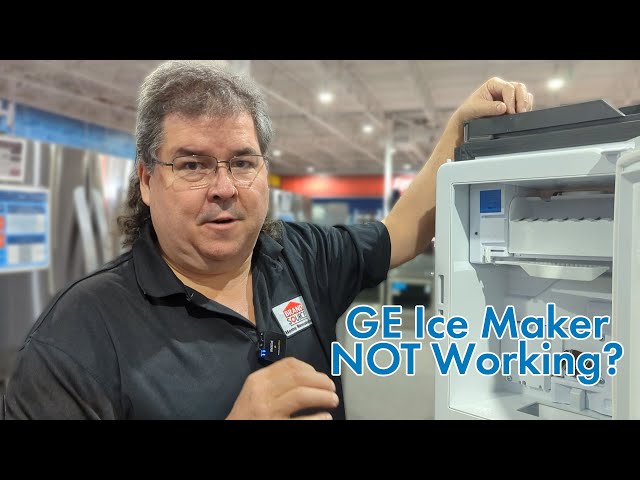
Introduction
A GE freezer ice maker that suddenly stops producing ice can be a major inconvenience. Whether you’re prepping for a party, need ice for daily drinks, or simply rely on a constant supply, a non-functional ice maker can be frustrating. This guide will walk you through common causes and simple steps to get your ice maker back up and running, saving you the cost of a service call.
Common Causes of GE Freezer Ice Maker Not Making Ice
Here are some of the most frequent reasons why your GE ice maker might be on the fritz:
- Ice Maker is Turned Off: Believe it or not, this is the most common reason! The ice maker may have been accidentally switched off.
- Water Line is Frozen: A frozen water line prevents water from reaching the ice maker.
- Water Filter is Clogged: A dirty water filter restricts water flow, hindering ice production.
- Low Freezer Temperature: If the freezer isn’t cold enough, the ice maker won’t cycle properly.
- Ice Jam in the Ejector: Ice can become jammed in the ice maker’s ejection mechanism.
- Faulty Water Inlet Valve: This valve controls the water flow to the ice maker. If it’s malfunctioning, no water gets through.
- Defective Ice Maker Module: The ice maker module controls the entire ice-making process. If it fails, the ice maker won’t work.
- Kinked or Damaged Water Line: A kink or damage in the water line can restrict water flow.
Symptoms Checklist
Use this checklist to help pinpoint the problem:
- No ice production at all.
- Ice maker is making small or hollow ice cubes.
- Water is not flowing into the ice maker.
- Ice maker is making ice very slowly.
- You hear the ice maker running, but no ice is being ejected.
- The water dispenser (if equipped) is also not working.
How to Fix GE Freezer Ice Maker Not Making Ice Step-by-Step Guide
Follow these steps to troubleshoot your GE ice maker:
- Check the Ice Maker Power Switch: Locate the ice maker power switch (usually a wire arm or a switch on the ice maker unit itself) and make sure it’s in the “on” position.
- Verify Freezer Temperature: The freezer temperature should be between 0F and 5F (-18C and -15C). Use a thermometer to check. Adjust the freezer settings if needed and allow a few hours for the temperature to stabilize.
- Check the Water Line: Locate the water line behind the refrigerator. Look for any kinks or damage. Straighten any kinks or replace the water line if damaged.
- Inspect the Water Filter: Locate the water filter (usually inside the refrigerator or in the base grille). Replace the filter every 6 months or as recommended by the manufacturer. A clogged filter can significantly reduce water flow.
- Thaw a Frozen Water Line: If you suspect a frozen water line, unplug the refrigerator. Locate the water line (usually a plastic or copper tube) behind the refrigerator. Use a hairdryer on a low setting to gently warm the water line. You can also wrap the water line in warm towels. Be patient and check for water flow after thawing.
- Check the Water Inlet Valve: Locate the water inlet valve (usually behind the refrigerator near the water line connection). Make sure the valve is turned on.
- Clear Ice Jam in the Ejector: Sometimes, ice can get jammed in the ice maker’s ejector mechanism. Carefully remove any visible ice obstructions. You may need to gently pry them loose.
- Listen for the Water Valve Activating: After checking the above steps, listen carefully when the ice maker cycles (usually every 1-2 hours). You should hear a humming sound as the water inlet valve opens to fill the ice maker. If you don’t hear this, the water valve might be faulty.
- Reset the Ice Maker: Some GE ice makers have a reset button. Consult your owner’s manual for the location and procedure. If there’s no button, try unplugging the refrigerator for 5 minutes and then plugging it back in. This can sometimes reset the ice maker’s control module.
- Observe the Ice Maker Cycle: After completing the above steps, observe the ice maker over the next 24-48 hours. It can take this long for the ice maker to resume normal ice production.
Fix the Issue Without Buying Parts
Before considering replacement parts, try these free methods:
- Reset the Ice Maker: Unplug the fridge for 5 minutes to reset the system.
- Deep Clean: Thoroughly clean the ice maker and surrounding area to remove mineral buildup and debris.
- Temperature Check: Ensure your freezer is set to the correct temperature (0F to 5F).
- Inspect Connections: Check all water line connections for leaks or loose fittings.
- Routine Maintenance: Replace the water filter regularly (every 6 months).
When Replacement Might Be Necessary
If you’ve exhausted the troubleshooting steps and your ice maker still isn’t working, a replacement part might be needed. Common parts that fail include:
- Water Inlet Valve: $30 – $60
- Ice Maker Module: $80 – $150
Consider contacting a qualified appliance repair technician for diagnosis and repair, especially if you’re not comfortable working with electrical components.
Safety Warning
- Always unplug the refrigerator before attempting any repairs.
- Be careful when working with electrical components.
- Avoid contact with water while the refrigerator is plugged in.
- If you are not comfortable performing any of these steps, consult a qualified appliance repair technician.
Tools You May Need
- Screwdriver (Phillips and flathead)
- Pliers
- Adjustable wrench
- Thermometer
- Hair dryer (optional, for thawing water line)
- Towels
FAQ
Here are some frequently asked questions:
-
Q: How long does it take for a new ice maker to make ice?
A: It can take up to 24 hours for a new ice maker to start producing ice. It might take up to 72 hours to reach full production.
-
Q: Why are my ice cubes small or hollow?
A: This is usually caused by low water pressure or a clogged water filter. Check and replace the filter if necessary.
-
Q: My ice maker is making a lot of noise. What could be wrong?
A: Unusual noises can be caused by ice jams, a failing ice maker motor, or loose components. Inspect the ice maker for any obstructions.
-
Q: How often should I replace my water filter?
A: Generally, replace the water filter every 6 months, or as recommended by the manufacturer.
Conclusion
Troubleshooting a GE freezer ice maker can seem daunting, but by following these steps, you can often resolve the issue yourself. Remember to prioritize safety and take your time. If you’ve tried all the troubleshooting steps and your ice maker still isn’t working, it might be time to call a qualified appliance repair technician. Good luck getting your ice maker back in business!
Youtube Video:
Looking for more useful options?
Check out recommended resources that others find helpful.