Introduction
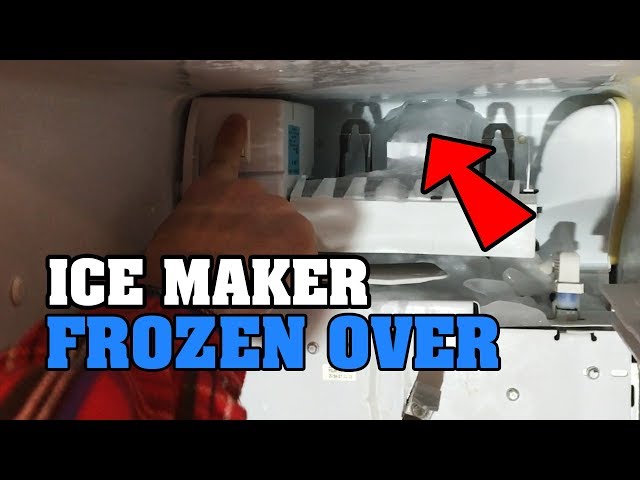
A frozen ice maker in your GE freezer is a common problem that can be a real inconvenience. It means no more readily available ice for your drinks, and it can sometimes signal a bigger issue with your freezer. This usually happens when ice builds up excessively around the ice maker components, stopping them from working correctly. Addressing this promptly is important to prevent further damage to the ice maker or the freezer itself, and to get your ice production back on track. Don’t worry; often, it’s something you can fix yourself without needing to call a repairman!
Common Causes of GE Freezer Ice Maker Frozen
Here are some of the usual suspects behind a frozen ice maker:
- Low Freezer Temperature: If your freezer is set too cold, it can cause excessive ice buildup in the ice maker.
- Faulty Water Inlet Valve: A malfunctioning water inlet valve can leak water into the ice maker, which then freezes.
- Clogged Water Filter: A blocked water filter restricts water flow, leading to ice formation in the wrong places.
- Defective Ice Maker Thermostat: If the thermostat isn’t working properly, it might not cycle the ice maker correctly, resulting in over-freezing.
- Air Leaks: Air leaks from a damaged door seal can introduce moisture, causing ice buildup.
- Ice Jams: Ice cubes can sometimes get stuck in the ice maker mechanism, preventing proper operation and leading to freezing.
- Freezer Overload: Overfilling the freezer can restrict airflow, causing uneven temperatures and ice buildup.
- Incorrect Water Pressure: Too low water pressure can lead to inconsistent ice production and freezing.
- Defective Heating Element: The heating element helps release the ice from the mold. If it’s failing, the ice can freeze to the mold.
Symptoms Checklist
Check if you have these indicators:
- No ice production despite the freezer being cold.
- Visible ice buildup inside the ice maker.
- Water dripping from the ice maker area.
- Unusual noises coming from the ice maker.
- Ice cubes are small or misshapen.
- Ice dispenser not working or dispensing only crushed ice (if applicable).
- Ice maker arm is stuck or frozen in place.
How to Fix GE Freezer Ice Maker Frozen Step-by-Step Guide
Here’s how you can troubleshoot your frozen ice maker:
- Unplug the Freezer: Safety first! Disconnect the freezer from the power outlet.
- Empty the Freezer (Partially): Remove enough items to easily access the ice maker.
- Locate the Ice Maker: It’s usually in the top section of the freezer.
- Visually Inspect for Ice Buildup: Look for large ice chunks blocking the ice maker mechanism.
- Manually Remove Excess Ice: Use a plastic spatula or your fingers to gently break away any large ice chunks. Avoid using sharp objects.
- Check the Water Inlet Tube: Make sure the tube that supplies water to the ice maker isn’t frozen or blocked.
- Thaw the Ice Maker: Use a hairdryer (on a low setting) to carefully thaw any remaining ice. Keep the hairdryer moving and don’t concentrate heat in one spot. Alternatively, leave the freezer door open for a few hours to let the ice melt naturally.
- Check the Water Filter: Locate the water filter (usually at the bottom or back of the freezer) and replace it if it’s been more than 6 months or if you suspect it’s clogged.
- Inspect the Freezer Door Seal: Check for any tears, cracks, or gaps in the door seal. A faulty seal lets warm, moist air in, leading to ice buildup.
- Adjust the Freezer Temperature: Ensure the freezer temperature is set between 0F and 5F (-18C and -15C).
- Reset the Ice Maker: Most GE ice makers have a reset button. Locate it (usually on the side or bottom of the ice maker) and press it for a few seconds.
- Plug the Freezer Back In: Reconnect the freezer to the power outlet.
- Monitor Ice Production: Give the ice maker 24 hours to start producing ice again.
- Check for Leaks: Keep an eye out for any water leaks around the ice maker area.
Fix the Issue Without Buying Parts
Often, you can fix a frozen ice maker without spending any money:
- Resetting the Ice Maker: As mentioned above, the reset button can often resolve minor issues.
- Thorough Cleaning: Regular cleaning of the ice maker area and water dispenser can prevent future problems.
- Temperature Recalibration: Ensuring your freezer is at the correct temperature is crucial.
- Door Seal Inspection: Regularly check the door seal for damage and clean it to ensure a tight seal.
- Proper Freezer Loading: Avoid overfilling the freezer, which can restrict airflow.
When Replacement Might Be Necessary
If the problem persists after trying all the above steps, you might need to consider replacing a part. Common parts that fail include:
- Water Inlet Valve: If it’s leaking or not opening properly. (Estimated cost: $30 – $70 USD)
- Ice Maker Thermostat: If it’s not regulating the ice maker’s cycle correctly. (Estimated cost: $20 – $50 USD)
- The Ice Maker Assembly: If the internal components are damaged beyond repair. (Estimated cost: $100 – $250 USD)
Before replacing any parts, consider calling a qualified appliance repair technician for diagnosis and repair, especially if you are not comfortable with electrical repairs.
Safety Warning
- Always unplug the freezer before performing any maintenance or repairs.
- Avoid using sharp objects to remove ice, as you could damage the ice maker.
- Be careful when using a hairdryer, as water and electricity can be dangerous.
- Ensure the floor around the freezer is dry to prevent slips and falls.
Tools You May Need
- Plastic spatula
- Hairdryer (optional)
- Screwdrivers (Phillips and flathead)
- Pliers
- Towel or rag
FAQ
Here are some common questions about frozen ice makers:
-
Q: How long does it take for the ice maker to start producing ice after a reset?
A: It usually takes 24 hours for the ice maker to produce its first batch of ice. -
Q: Why is my ice maker making small or misshapen ice cubes?
A: This could be due to low water pressure or a partially blocked water filter. -
Q: How often should I replace my water filter?
A: It’s recommended to replace your water filter every 6 months. -
Q: What can I do to prevent my ice maker from freezing up in the future?
A: Regularly clean the ice maker area, replace the water filter, and ensure the freezer door seal is in good condition.
Conclusion
A frozen ice maker can be frustrating, but with a little patience and these troubleshooting steps, you can often resolve the issue yourself. Remember to always prioritize safety by unplugging the appliance before starting any repairs. If you’ve tried all the steps and your ice maker is still not working, it might be time to call a qualified appliance repair technician. However, give these DIY solutions a try first you might be surprised at how easily you can get your ice maker back in action!
Youtube Video:
Looking for more useful options?
Check out recommended resources that others find helpful.