Introduction
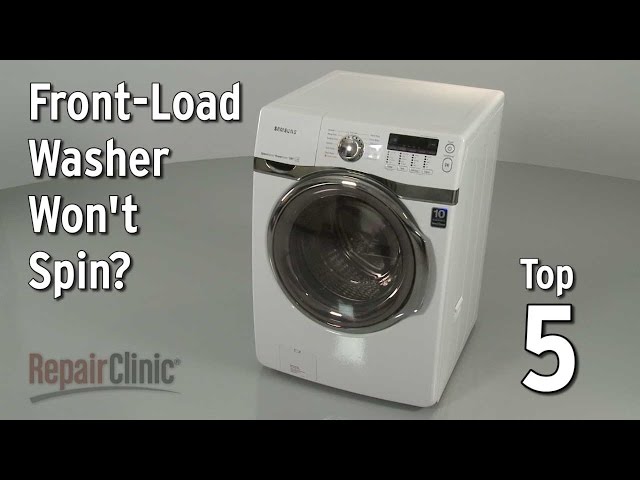
Is your front load washing machine leaving your clothes soaking wet at the end of the cycle? This usually indicates a problem with the spin cycle. A washing machine that won’t spin is more than just an inconvenience; it can lead to mildew growth in your clothes and washer, and force you to hand-wring heavy items. Addressing this issue promptly can save you from further damage and costly repairs. Let’s troubleshoot this together!
Common Causes of front load washing machine not spinning
Here are some of the most common reasons why your front load washing machine might not be spinning:
- Overloading: Too many clothes in the drum can prevent it from spinning properly.
- Unbalanced Load: Clothes bunched up on one side can throw off the machine’s balance.
- Clogged Drain Pump: A blockage in the drain pump can prevent the water from draining, which is necessary for the spin cycle to start.
- Blocked Drain Hose: A kinked or clogged drain hose can also prevent proper drainage.
- Faulty Lid Switch/Door Lock: The machine won’t spin if it doesn’t register that the door is properly closed.
- Worn Drive Belt: The belt that connects the motor to the drum might be worn or broken.
- Motor Problems: A failing motor might not have enough power to spin the drum.
- Control Board Issues: The control board is the “brain” of the washer and can sometimes malfunction.
- Suds Lock: Excessive suds from using too much detergent (especially regular detergent instead of HE) can prevent spinning.
Symptoms Checklist
Use this checklist to help pinpoint the problem:
- Clothes are soaking wet after the cycle.
- The washing machine makes unusual noises during the spin cycle (or lack thereof).
- The drum doesn’t move at all during the spin cycle.
- The washing machine displays an error code related to spinning or draining.
- The washing machine is filled with water that won’t drain.
How to Fix front load washing machine not spinning Step-by-Step Guide
Follow these steps to troubleshoot and hopefully fix your spinning problem:
- Unplug the Washing Machine: Always disconnect the power before working on any appliance.
- Check for Overloading: Remove some items if the machine is packed too tightly. A good rule of thumb is to leave about a hand’s width of space at the top of the drum.
- Rearrange the Load: Make sure the clothes are evenly distributed in the drum. Manually redistribute them if they’re bunched up.
- Run a Drain and Spin Cycle: Select the “Drain and Spin” cycle on your machine. This will attempt to drain the water and then spin the clothes. Observe if any progress is made.
- Check the Drain Hose: Locate the drain hose at the back of the machine. Make sure it’s not kinked, bent, or crushed. Straighten any kinks and ensure it’s properly connected to the drainpipe.
- Inspect the Drain Pump Filter: Most front load washers have a small access panel near the bottom front. Behind it, you’ll find the drain pump filter. Place a shallow pan or towel underneath, then carefully unscrew the filter cap. Remove any debris (lint, coins, buttons) that may be blocking it. Clean the filter thoroughly.
- Check for Suds Lock: If you suspect suds lock (too many suds), try running an empty cycle with no detergent. You can also add a cup of white vinegar to the empty drum to help break down the suds.
- Check the Door Lock/Lid Switch: Carefully inspect the door lock mechanism. Make sure nothing is obstructing the door from closing and locking properly. Listen for a clicking sound when the door is closed; this indicates the lock is engaged.
- Reset the Washing Machine: Sometimes a simple reset can resolve the issue. Unplug the washing machine for 5-10 minutes, then plug it back in and try running a cycle.
- Check the Error Code: If your washing machine displays an error code, consult your owner’s manual to identify the problem it indicates. Many manuals offer troubleshooting steps specific to each error code.
- Check the Drive Belt: This usually requires removing the back panel of the washer. With the machine unplugged, manually turn the drum. Observe the belt connecting the motor to the drum. If the belt is visibly broken, worn, or loose, it may need replacing.
- Listen to the Motor: During the spin cycle (if it attempts to spin), listen for unusual noises coming from the motor area. Grinding, squealing, or humming sounds can indicate motor problems.
Fix the Issue Without Buying Parts
Before resorting to part replacements, try these free methods:
- Reset the Machine: Unplug the washer for 10 minutes to clear any error codes and reset the system.
- Clean the Drain Pump Filter: A clogged filter is a common cause. Regularly cleaning it can prevent future problems.
- Recalibrate the Machine: Some front load washers have a recalibration cycle (check your manual). This helps the machine relearn the drum’s position and weight distribution.
- Regular Maintenance: Run a cleaning cycle with a washing machine cleaner every month to prevent buildup of detergent and mildew.
- Inspect the Hoses: Regularly check the drain and water supply hoses for kinks, cracks, or leaks.
When Replacement Might Be Necessary
If you’ve tried all the troubleshooting steps and your washing machine still won’t spin, it might be time to consider replacement, especially if the machine is old or has other issues. Replacing a washing machine can cost anywhere from $500 to $1500+, depending on the brand and features. Common parts that fail and might warrant professional repair (before full replacement) include the motor, control board, and drive belt. A professional repair can cost from $150-500, depending on the part and labor.
Safety Warning
- Always unplug the washing machine before performing any repairs or inspections.
- Be careful when handling water, as it can be a shock hazard.
- Wear gloves to protect your hands from dirt and sharp edges.
- If you’re not comfortable working with electrical appliances, consult a qualified technician.
- Ensure the area around the washing machine is dry to avoid slips and falls.
Tools You May Need
- Screwdrivers (Phillips and flathead)
- Pliers
- Adjustable wrench
- Shallow pan or towels
- Gloves
- Flashlight
FAQ
Here are some frequently asked questions about washing machines that won’t spin:
- Q: Why is my washing machine making a loud noise but not spinning? A: This could be due to a worn drive belt, a failing motor, or an object caught in the drum.
- Q: How do I know if my washing machine motor is bad? A: Signs of a bad motor include unusual noises, lack of power, or the motor not starting at all.
- Q: Can I fix a washing machine myself? A: Many common problems can be fixed with simple troubleshooting, but complex repairs should be left to professionals.
- Q: How do I prevent my washing machine from not spinning in the future? A: Avoid overloading, use the correct amount of detergent, and perform regular maintenance.
Conclusion
A washing machine that won’t spin is definitely a hassle, but with a bit of patience and these troubleshooting steps, you can often resolve the issue yourself. Remember to prioritize safety and don’t hesitate to call a qualified technician if you’re unsure about any step. Happy washing!
Youtube Video:
Looking for more useful options?
Check out recommended resources that others find helpful.