Introduction
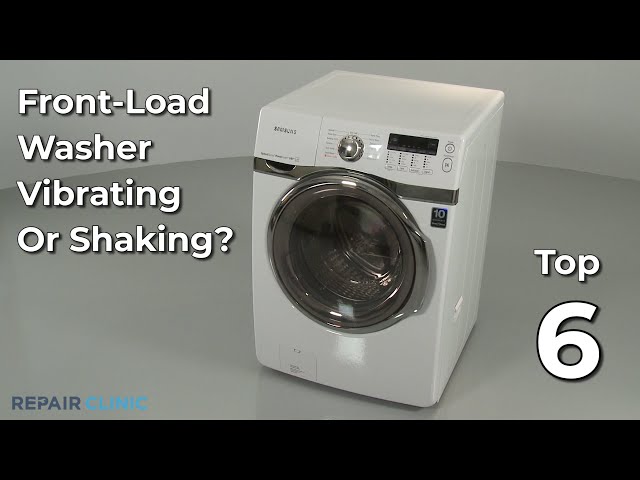
Is your front load washing machine shaking so much it feels like it’s about to take off? Excessive vibration in front load washers is a common problem that can be noisy and even damage your machine and surrounding areas. This usually happens during the spin cycle, when the washer is working hard to remove water from your clothes. Addressing this issue promptly is important to prevent further damage to your appliance, reduce noise, and extend the life of your washer. Don’t ignore those shakes let’s figure out what’s causing them and how to fix them!
Common Causes of Front Load Washer Vibrates Too Much
Here are some of the most common reasons why your front load washer might be vibrating excessively:
- Uneven Load: Clothes clumped to one side can cause imbalance during the spin cycle.
- Washer Not Level: If the washer isn’t sitting flat on the floor, it will shake more.
- Shipping Bolts Still Attached: These bolts stabilize the drum during transport and must be removed before use.
- Worn Drum Dampers or Shock Absorbers: These components absorb vibrations; when worn, they lose effectiveness.
- Weakened Suspension Springs: Over time, the springs that suspend the drum can weaken.
- Obstruction in the Drain Pump: An object caught in the drain pump can cause the drum to become unbalanced.
- Worn Drum Bearings: Damaged bearings will cause the drum to wobble and vibrate.
- Unstable Flooring: A weak or flexible floor can amplify vibrations.
- Overloading the Washer: Exceeding the washer’s capacity can lead to uneven weight distribution.
Symptoms Checklist
Check these indicators to pinpoint the problem:
- Washer shakes violently during the spin cycle.
- Loud banging or thumping sounds during operation.
- The washer moves or “walks” across the floor.
- You notice unusual noises like grinding or squealing.
- Clothes are still soaking wet after the spin cycle.
- The washer isn’t sitting perfectly level.
- The drum appears to be sagging or tilted.
How to Fix Front Load Washer Vibrates Too Much Step-by-Step Guide
Follow these steps to troubleshoot and fix the vibration issue:
- Check for Levelness: Place a level on top of the washer. Adjust the leveling feet at the bottom of the washer until it’s perfectly level in all directions. Tighten the locking nuts on the feet once leveled.
- Redistribute the Load: Stop the washer and manually redistribute the clothes inside the drum to ensure an even distribution.
- Check for Shipping Bolts: Locate the rear of the washer. If you see large bolts, these are shipping bolts. Remove them using a wrench. Store them safely if you ever need to move the washer.
- Inspect the Flooring: Ensure the washer is on a solid, stable floor. If the floor is weak, consider reinforcing it or moving the washer to a more stable location.
- Clean the Drain Pump Filter: Locate the drain pump access panel (usually at the bottom front of the washer). Place a towel down and carefully open the panel. Unscrew the drain pump filter and clean out any debris (coins, lint, etc.).
- Check the Suspension Springs: (Requires some disassembly) Unplug the washer. Remove the top or front panel (refer to your owner’s manual for instructions). Visually inspect the suspension springs that hold the drum. Look for signs of damage, rust, or detachment.
- Inspect Drum Dampers/Shock Absorbers: (Requires some disassembly) While the panel is open, locate the drum dampers or shock absorbers at the bottom of the washer. Check for leaks, damage, or looseness.
- Run a Calibration Cycle: Some washers have a calibration cycle. Refer to your owner’s manual to see if your washer has this feature and how to run it.
- Avoid Overloading: Refer to your owner’s manual for the recommended load capacity. Do not overload the washer.
- Check for Obstructions: Inspect the inside of the drum for any objects that might be lodged inside, especially near the seams or the rubber gasket.
- Run an Empty Wash Cycle: Sometimes, residue buildup can cause imbalances. Run an empty wash cycle with a washing machine cleaner to remove any buildup.
- Tighten Loose Screws: Check all visible screws on the washer’s exterior and interior (after unplugging) to make sure they are tightened.
- Consider Washer Placement: Make sure the washer is not pushed too tightly against the wall or other objects, which can amplify vibrations.
Fix the Issue Without Buying Parts
Often, you can resolve vibration issues without needing to buy replacement parts:
- Reset the Washer: Unplug the washer for 5-10 minutes and then plug it back in. This can sometimes reset the electronic controls and resolve minor issues.
- Regular Cleaning: Clean the washer regularly to prevent residue buildup, which can cause imbalances.
- Recalibration: As mentioned before, run a calibration cycle if your machine supports it.
- Visual Inspection: Regularly inspect the washer for any obvious signs of damage, looseness, or obstructions.
- Leveling Checks: Periodically check that the washer is still level, as vibrations can cause the leveling feet to shift over time.
When Replacement Might Be Necessary
If you’ve tried all the troubleshooting steps and the washer continues to vibrate excessively, replacement of certain parts may be needed. Common culprits are worn drum dampers or shock absorbers ($30-$80 per set), weakened suspension springs ($40-$100 per set), or damaged drum bearings (can be expensive, $100-$300, and require significant labor). If the drum bearings are the problem, it might be more cost-effective to replace the entire washer, especially if it’s an older model. A new front load washer typically costs between $600 and $1500.
Safety Warning
- Always unplug the washer from the power outlet before attempting any repairs.
- Avoid working on the washer while it’s connected to water lines.
- Be careful when lifting or moving the washer, as it can be heavy. Get assistance if needed.
- Wear appropriate safety gear, such as gloves and eye protection, when handling tools and working inside the washer.
- If water has spilled, clean it up immediately to prevent slipping hazards.
Tools You May Need
- Level
- Wrench set
- Screwdriver set (Phillips and flathead)
- Pliers
- Gloves
- Eye protection
- Towels
FAQ
Here are some frequently asked questions about washer vibrations:
- Q: Why does my washer only vibrate during the spin cycle? A: The spin cycle is when the drum rotates at high speeds, making any imbalance more noticeable.
- Q: Can overloading the washer cause vibrations? A: Yes, overloading can lead to uneven weight distribution and excessive vibrations.
- Q: How do I know if the shipping bolts are still installed? A: Check the rear of the washer for large bolts. They are usually brightly colored and clearly visible.
- Q: What should I do if I can’t level the washer? A: If the leveling feet are damaged or stuck, you may need to replace them. If the floor is uneven, consider using shims under the feet.
- Q: Is it normal for a front load washer to vibrate a little? A: Some vibration is normal, but excessive shaking, banging, or movement across the floor is not.
- Q: How often should I clean my front load washer? A: You should clean your front load washer about once a month to prevent mold, mildew, and residue buildup.
Conclusion
Excessive vibration in your front load washer can be frustrating, but with a little troubleshooting, you can often resolve the issue yourself. Start with the simple checks, such as leveling and load distribution, before moving on to more complex repairs. Remember to prioritize safety and consult your owner’s manual for specific instructions. If you’re uncomfortable performing any of these steps, don’t hesitate to call a qualified appliance repair technician. Good luck, and happy washing!
Youtube Video:
Looking for more useful options?
Check out recommended resources that others find helpful.