Introduction
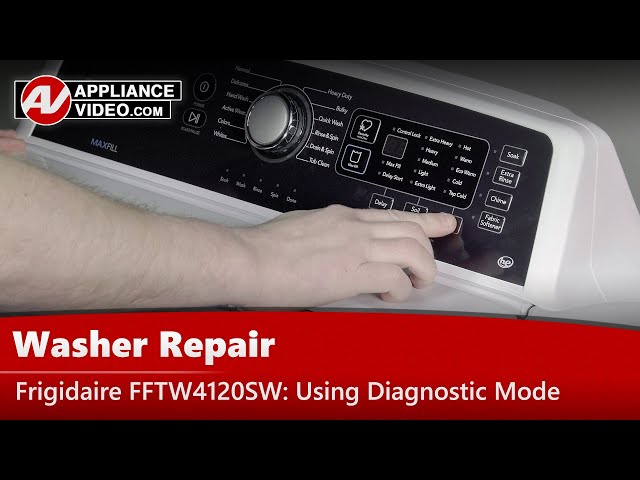
A Frigidaire washer that won’t spin properly is a common and frustrating problem. When the spin cycle fails, your clothes remain soaking wet, leading to longer drying times and the risk of mildew. This issue often occurs after washing bulky items or when the washer is overloaded. Addressing this problem quickly is essential to prevent damage to your clothing and the washer itself. This guide will walk you through troubleshooting steps to get your Frigidaire washer spinning correctly again.
Common Causes of Frigidaire Washer Spin Cycle Issues
Here are some common reasons why your Frigidaire washer might not be spinning correctly:
- Overloading the Washer: Too many clothes can prevent the drum from spinning freely.
- Unbalanced Load: Clothes clumped to one side can trigger safety mechanisms that stop the spin cycle.
- Lid Switch Malfunction: The lid switch ensures the washer only spins when the lid is closed. If it’s faulty, the washer won’t spin.
- Drive Belt Issues: A worn or broken drive belt connects the motor to the drum.
- Drainage Problems: If the washer doesn’t drain water properly, it won’t start the spin cycle.
- Clogged Drain Pump: A blockage in the drain pump prevents water from being expelled.
- Motor Coupling Failure: The motor coupling connects the motor to the transmission. It can break under stress.
- Faulty Motor: The motor itself might be failing, unable to power the spin cycle.
- Control Board Issues: The control board manages all washer functions and might be malfunctioning.
Symptoms Checklist
Use this checklist to pinpoint the problem:
- Washer fills with water but doesn’t spin.
- Washer drains water but doesn’t spin.
- Washer makes unusual noises during the spin cycle.
- Washer displays an error code related to the spin cycle.
- Clothes are soaking wet after the cycle.
- Washer vibrates excessively during what seems like a spin cycle, but nothing happens.
How to Fix Frigidaire Washer Spin Cycle Step-by-Step Guide
- Check for an Unbalanced Load: Open the washer and redistribute the clothes evenly around the drum.
- Reduce the Load Size: Remove some items to reduce the overall weight in the drum.
- Ensure the Washer is Level: Use a level to check if the washer is sitting evenly. Adjust the legs at the bottom of the washer to level it.
- Check the Lid Switch: Open and close the lid firmly. Sometimes, a loose lid switch can be the culprit. You might hear a clicking sound. If not, it might need further inspection.
- Clean the Drain Pump Filter: Locate the drain pump filter (usually at the bottom front of the washer behind a small access panel). Remove it and clean out any debris (lint, coins, etc.).
- Check the Drain Hose: Make sure the drain hose isn’t kinked or clogged. Disconnect it from the drainpipe and check for blockages.
- Listen for the Motor: During the spin cycle, listen carefully for the motor running. If you don’t hear it, the motor or motor coupling might be faulty.
- Run a Calibration Cycle (if applicable): Some Frigidaire washers have a calibration cycle. Consult your owner’s manual for instructions on how to run it.
- Check for Error Codes: If your washer has a digital display, check for any error codes related to the spin cycle. Look up the code in your owner’s manual for troubleshooting tips.
- Reset the Washer: Unplug the washer from the power outlet for 1-2 minutes. Plug it back in and try running a spin cycle. This can sometimes reset the control board.
- Inspect the Drive Belt (If you are comfortable accessing internal parts): If you’re comfortable, unplug the washer and remove the access panel. Check the drive belt for wear or breakage.
Fix the Issue Without Buying Parts
Before resorting to replacement parts, try these free methods:
- Reset the Washer: Unplugging the washer often clears minor software glitches.
- Clean the Drain Pump Filter: Regularly cleaning the filter prevents clogs.
- Recalibrate the Washer: Running a calibration cycle can resolve some spin cycle issues. Consult the user manual for instructions.
- Inspect Hoses: Check for kinks or clogs in the drain hose.
- Level the Washer: Ensuring the washer is level minimizes vibrations and ensures proper operation.
When Replacement Might Be Necessary
If troubleshooting steps don’t resolve the issue, a failing component might need replacement. Common parts that fail include:
- Lid Switch: ($20-$50)
- Drive Belt: ($15-$30)
- Drain Pump: ($50-$100)
- Motor Coupling: ($20-$40)
- Motor: ($100-$300)
- Control Board: ($150-$400)
If you’re not comfortable replacing these parts yourself, contact a qualified appliance repair technician.
Safety Warning
- Always unplug the washer from the power outlet before performing any troubleshooting or repairs.
- Avoid working on electrical components with wet hands or on a wet floor.
- Be careful when handling tools to prevent injury.
- If you are not comfortable with electrical or mechanical repairs, consult a qualified appliance repair technician.
Tools You May Need
- Screwdrivers (Phillips and flathead)
- Pliers
- Adjustable wrench
- Level
- Shop towel
- Gloves
FAQ
Here are some frequently asked questions about Frigidaire washer spin cycle problems:
-
Q: Why is my washer making a loud banging noise during the spin cycle?
A: This is often due to an unbalanced load. Stop the washer, redistribute the clothes, and try again. Also, ensure the washer is level. -
Q: How do I know if my lid switch is faulty?
A: If the washer doesn’t start or spin, and you’ve checked the other common causes, the lid switch might be the problem. You can test it with a multimeter, or simply replace it if you suspect it’s faulty. -
Q: What does an error code related to the spin cycle mean?
A: Error codes vary depending on the model. Consult your owner’s manual to understand the specific code and its corresponding troubleshooting steps. -
Q: How often should I clean the drain pump filter?
A: It’s recommended to clean the drain pump filter every 1-3 months, or more frequently if you wash heavily soiled items.
Conclusion
Troubleshooting a Frigidaire washer that won’t spin can seem daunting, but by following these steps, you can often identify and resolve the problem yourself. Start with the simple fixes, such as balancing the load and cleaning the drain pump filter. If the issue persists, consider more advanced troubleshooting or replacement of faulty parts. If you’re not comfortable with these repairs, don’t hesitate to call a qualified appliance repair technician for assistance. A little effort can save you money and extend the life of your washer.
Youtube Video:
Looking for more useful options?
Check out recommended resources that others find helpful.